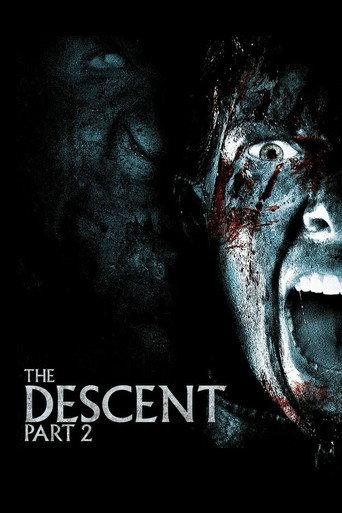
The Descent: Part 2
2009
The sourced concerns are substantially offset by delivered value.
What counts as a cash grab?
Commercial extraction prioritized over meaningful consumer or creative value. Profit, popularity, adaptations, sequels, remakes, high budgets, and normal marketing do not count by themselves.
Why?
The Descent: Part 2 (2009) is widely described in contemporary reviews as a serviceable but unnecessary follow up that retraces the first film rather than substantially expanding it. Critics noted a shift to more overt monster-showing, reduced emotional depth, and a sense of retreaded plotting, though reporting does not document predatory monetization, deceptive release practices, or explicit price/value abuses tied to its distribution. Evidence centers on critical reception and filmmaker comments about the sequel being driven by continuation rather than clear creative necessity.
- Multiple mainstream reviews call the film an uninspired retread that lacks the original's depth.
- Director and creative lineage changed, with the first film’s editor directing the sequel.
- Coverage highlights more explicit monster exposure and less claustrophobic craft than the original.
View full breakdownHide full breakdown
- No credible sources located documenting predatory monetization, deceptive release tactics, or recycled-footage fraud.
Score factors
| Direction | Factor | Evidence | Impact |
|---|---|---|---|
| For | Critical consensus of retread | Major reviews described the sequel as an uninspired retread that closely follows the original but lacks its emotional nuance and claustrophobic craft.[2] | +20 |
| For | No documented predatory monetization | I found no credible reporting of predatory pricing, deceptive release practices, packaged recycled footage, or explicit monetization schemes tied to the film's release.[1] | +18 |
| For | More explicit monster focus | Reviews note the sequel shows more of the creatures and reduces the original’s psychological and claustrophobic emphasis.[3][2] | +15 |
| Against | Change in creative leadership | The sequel was directed by Jon Harris, the editor on the first film, rather than original director Neil Marshall, and some commentary framed the sequel as unnecessary.[3][1] | -10 |
| Against | Mixed but not uniformly hostile reception | Contemporary coverage and later retrospectives describe the film as mixed to mediocre rather than an outright hurried cash-in, noting competent filmmaking even when calling the sequel unnecessary.[1] | -8 |
Confidence: Medium · Conclusions are based on contemporary reviews and retrospective coverage; there is strong critical commentary about the sequel being a retread but no direct reporting on predatory monetization or deceptive release practices, leaving gaps on studio intent and financial strategy. · Researched 2026-10-28
Sources reviewed
- [1]bloody-disgusting.com
- [2]www.irishtimes.com
- [3]en.wikipedia.org
- [4]www.cinemagia.ro
- [5]forum.dvdtalk.com
- [6]www.reddit.com
- [7]forum.dvdtalk.com
- [8]www.rottentomatoes.com
- [9]londonist.com
- [10]www.jigsawlounge.co.uk
View 18 more sourcesShow fewer sources
- [11]moviefilmreview.com
- [12]pages.cs.wisc.edu
- [13]lovehorror.co.uk
- [14]synopsisandreviews.com
- [15]cinecapsdigest.wordpress.com
- [16]wikipedia.cthon.io
- [17]www.impawards.com
- [18]www.visitscotland.com
- [19]www.foxtel.com.au
- [20]manuals.plus
- [21]www.foxtel.com.au
- [22]en.wikipedia.org
- [23]manuals.plus
- [24]www.foxtel.com.au
- [25]en.wikipedia.org
- [26]en.wikipedia.org
- [27]en.wikipedia.org
- [28]en.wikipedia.org
What does the community think?
The AI sees low cash-grab risk. What's your read?
Loading community verdict…