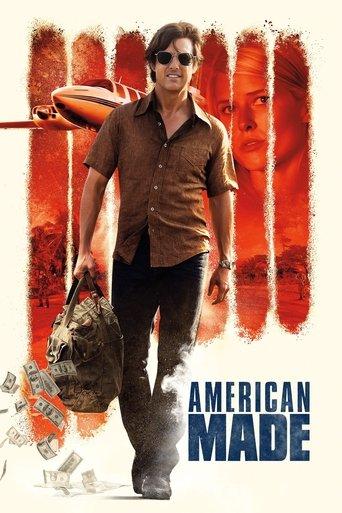
American Made
2017
The sourced concerns are substantially offset by delivered value.
What counts as a cash grab?
Commercial extraction prioritized over meaningful consumer or creative value. Profit, popularity, adaptations, sequels, remakes, high budgets, and normal marketing do not count by themselves.
Why?
American Made (2017) is a Tom Cruise starring dramatization of Barry Seal that received mixed reviews praising its energy and production values but criticizing its superficial treatment of history. I found no credible reporting or studio disclosures that the film used predatory monetization, deceptive release tactics, or premium-VOD day-and-date pricing, its release and home-video window followed standard theatrical practice, and its budget and box office indicate an ordinary commercial run rather than an exploitative scheme.
- No credible reporting or studio disclosures found of predatory monetization, premium VOD, or deceptive release practices.
- Wide theatrical release and normal home-video window are documented, consistent with standard commercial release.
- Contemporary reviews praise production craft, direction, and Cruise’s performance as genuine production investment.
View full breakdownHide full breakdown
- Several critics described the screenplay as fast and superficial with a light, 'forrest-gump' approach to real events, which suggests an artistic choice that some see as shallow reuse of real material.
Score factors
| Direction | Factor | Evidence | Impact |
|---|---|---|---|
| For | No predatory monetization found | I found no reporting or official disclosures that American Made used predatory monetization, premium day-and-date VOD, or deceptive pricing during its theatrical and home-video releases.[1][2] | +18 |
| Against | Documented production investment and craft | Multiple reputable reviews and aggregators note lively direction, production values, and Tom Cruise’s committed performance, indicating substantive production effort and technical craft.[3][5][4] | -16 |
| For | Critics reported superficial treatment of real events | Several reviewers explicitly described the film as fast, glib, or superficial in its handling of the true-story material, which supports a claim of low-depth reuse of historical events rather than in-depth adaptation.[3][6][4] | +13 |
| Against | Ordinary commercial performance, not evidence of extraction | Published box office and budget figures show a mainstream commercial outcome and financing structure, but box office and budget alone do not constitute evidence of exploitative monetization.[1][2] | -12 |
| Against | Standard theatrical and home-video release | The film had a normal theatrical run followed by a home-video release in December 2017, consistent with ordinary studio distribution rather than rushed or deceptive scheduling.[2][1] | -8 |
Confidence: High · Conclusions are based on reputable trade and critical sources, box office databases, and there is an absence of reporting or studio disclosures indicating predatory monetization or deceptive release practices. · Researched 2026-07-28
Sources reviewed
- [1]www.boxofficemojo.com
- [2]www.the-numbers.com
- [3]www.rogerebert.com
- [4]www.vanityfair.com
- [5]www.rottentomatoes.com
- [6]www.theguardian.com
- [7]www.timeout.com
- [8]en.wikipedia.org
- [9]www.imdb.com
- [10]www.breitbart.com
View 12 more sourcesShow fewer sources
What does the community think?
The AI sees low cash-grab risk. What's your read?
Loading community verdict…