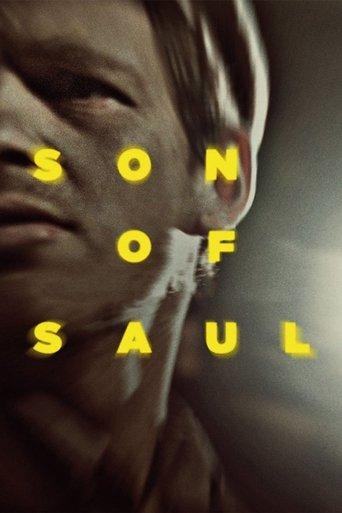
Son of Saul
2015
The sourced concerns are substantially offset by delivered value.
What counts as a cash grab?
Commercial extraction prioritized over meaningful consumer or creative value. Profit, popularity, adaptations, sequels, remakes, high budgets, and normal marketing do not count by themselves.
Why?
Son of Saul is a 2015 Hungarian debut by László Nemes that received major festival prizes and widespread critical praise for its rigorous craft, immersive sound design, and unconventional single-character perspective. Reporting from major outlets and the film's press materials document lengthy preproduction, bespoke sets built in a Budapest warehouse, 35mm intent, and intensive sound work. Distribution was handled as an art house release by Sony Pictures Classics, and I found no credible reporting of predatory monetization, franchise tie‑ins, or rushed/deceptive release practices.
- Multiple reputable sources document substantial, labor-intensive production design, cinematography, and sound work.
- The film won the Grand Prix at Cannes and later the Academy Award for Best Foreign Language Film, indicating critical recognition rather than franchise-driven marketing.
- Distribution was an art-house limited release via Sony Pictures Classics with no reporting of aggressive monetization strategies.
View full breakdownHide full breakdown
- Contemporary reporting notes funding bodies declined participation because the subject was risky, which argues against a commercial-first origin.
Score factors
| Direction | Factor | Evidence | Impact |
|---|---|---|---|
| Against | Production craft | Contemporary reporting and interviews describe bespoke sets built in a Budapest warehouse, shooting intended for 35mm, and intensive, deliberate sound and cinematography choices.[2][5][1] | -18 |
| Against | Original source and story | The film is an original dramatic work inspired by Sonderkommando testimonies and conceived by Nemes as a focused, novel cinematic approach rather than a reuse of a known franchise.[6][1] | -15 |
| For | No evidence of exploitative monetization | I found no credible reporting of predatory monetization, excessive franchising, merchandising, or deceptive release timing associated with this title.[3] | +10 |
| Against | Artistic and technical risk | The film's limited perspective, restrained audio strategy, and risky Holocaust subject matter were repeatedly framed by critics as deliberate artistic risks that contributed to festival awards.[4][2][3] | -9 |
| Against | Funding difficulty noted | Press reporting states that French and Israeli funding bodies turned down the project because the subject was considered risky, suggesting the project was not conceived as low-effort commercial exploitation.[4] | -9 |
| Against | Art-house distribution | North American distribution and box office records show a limited art‑house release through Sony Pictures Classics rather than wide franchise or megaplex rollouts.[3] | -8 |
Confidence: High · Multiple reputable contemporary sources and the film's official press materials document production, festival awards, and art-house distribution, and there is no reporting of predatory monetization though internal contract details and aftermarket platform pricing were not exhaustively available. · Researched 2026-09-04
Sources reviewed
- [1]filmmakermagazine.com
- [2]www.latimes.com
- [3]www.sonyclassics.com
- [4]www.theguardian.com
- [5]www.afi.com
- [6]en.wikipedia.org
- [7]www.theguardian.com
- [8]www.latimes.com
- [9]www.latimes.com
- [10]www.theguardian.com
View 6 more sourcesShow fewer sources
What does the community think?
The AI sees low cash-grab risk. What's your read?
Loading community verdict…