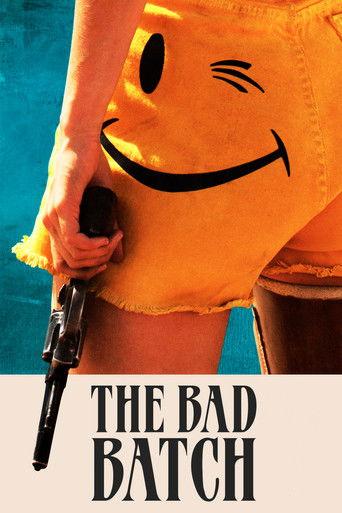
The Bad Batch
2017
The sourced concerns are substantially offset by delivered value.
What counts as a cash grab?
Commercial extraction prioritized over meaningful consumer or creative value. Profit, popularity, adaptations, sequels, remakes, high budgets, and normal marketing do not count by themselves.
Why?
The Bad Batch (2016/2017) is Ana Lily Amirpour’s festival film about exile and cannibals that premiered at Venice and screened at TIFF, received a Special Jury Prize level notice, and was later picked up for limited theatrical release and streaming. I found no credible reporting of predatory monetization, deceptive release practices, or franchise-style exploitation. Contemporary reviews emphasize striking visuals and an original premise while also criticizing a thin or incoherent narrative, and the film earned only a very limited box office.
- No credible reporting found of predatory monetization, exploitative pricing, or deceptive release practices.
- Festival premieres and awards indicate serious auteur-level production and industry recognition.
- Multiple critics described the film as visually strong but narratively thin, suggesting limited consumer value for some viewers.
View full breakdownHide full breakdown
- Standard independent distribution followed, including Neon/Screen Media theatrical release and a Netflix SVOD acquisition.
Score factors
| Direction | Factor | Evidence | Impact |
|---|---|---|---|
| For | Critics noted limited narrative payoff | Several reviews characterize the film as visually striking but narratively thin or incoherent, which supports a claim of limited consumer value for some viewers.[3][1][2] | +18 |
| Against | Festival recognition and production pedigree | The film premiered at Venice and received festival-level recognition and industry coverage, indicating committed production and festival acceptance.[4][5] | -16 |
| Against | Original auteur premise | Director interviews and multiple reviews describe the film as an original post‑apocalyptic cannibal love story from an identifiable auteur voice rather than derivative IP recycling.[7][6] | -14 |
| Against | Standard indie distribution and streaming deal | Contemporary reporting shows the film was acquired for theatrical release by Neon/Screen Media and for SVOD by Netflix, indicating conventional distribution rather than a predatory monetization strategy.[8] | -8 |
Confidence: High · Multiple authoritative festival reports, distributor acquisition notices, and contemporary critical reviews were available and directly address production, distribution, and critical reception, though I found no specific investigative reporting on monetization practices which leaves a small evidence · Researched 2026-09-06
Sources reviewed
- [1]www.screendaily.com
- [2]www.rottentomatoes.com
- [3]www.rogerebert.com
- [4]festivalreviews.org
- [5]en.wikipedia.org
- [6]www.theguardian.com
- [7]www.rogerebert.com
- [8]www.thewrap.com
- [9]en.wikipedia.org
- [10]www.imdb.com
View 10 more sourcesShow fewer sources
What does the community think?
The AI sees low cash-grab risk. What's your read?
Loading community verdict…