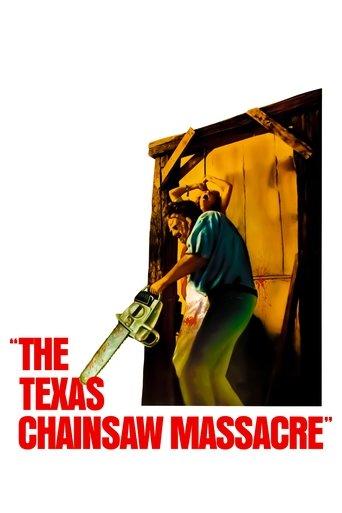
The Texas Chain Saw Massacre
1974
The sourced concerns are substantially offset by delivered value.
What counts as a cash grab?
Commercial extraction prioritized over meaningful consumer or creative value. Profit, popularity, adaptations, sequels, remakes, high budgets, and normal marketing do not count by themselves.
Why?
The Texas Chain Saw Massacre (1974) does not show credible evidence of being a commercial cash grab. Contemporary and archival sources describe it as a low budget, independent production by Tobe Hooper and Kim Henkel that took significant artistic and technical risks, and which has since been critically reassessed and preserved. The clearest extraction signal is marketing, including poster copy and an opening prologue that suggested the events were "based on a true story." I found no reliable documentation of predatory monetization or rushed release practices beyond that publicity tactic.
- Contemporary publicity and the opening prologue presented the film as "based on a true story", a demonstrably misleading marketing claim.
- Primary sources describe a low budget, arduous production with practical effects and real-location craftsmanship rather than low-effort reuse.
- Major critics and preservation bodies highlight the film's technical risk and originality, indicating substantive creative value.
View full breakdownHide full breakdown
- I found no credible evidence of predatory monetization, deceptive pricing, or rushed theatrical release beyond the "true story" marketing.
Score factors
| Direction | Factor | Evidence | Impact |
|---|---|---|---|
| Against | Low budget, intensive production | Multiple archival and historical accounts record the film as a low budget independent shoot with difficult conditions, practical effects, and strenuous production methods.[2][1][3] | -18 |
| Against | Original content and genre influence | The film is widely documented as an original, influential work that helped pioneer slasher conventions and introduced iconic characters rather than recycling an established franchise.[1][2] | -16 |
| For | Deceptive 'true story' marketing | Promotional materials and the film's opening narration positioned the story as true or based on true events despite the plot being fictional.[2][1][3] | +9 |
| Against | Artistic and technical risk | Contemporary critics and preservation writers emphasize the film's documentary-style camerawork, unsettling sound design, and willingness to push boundaries, all indicating genuine artistic and technical risk.[4][3][1] | -9 |
| Against | No evidence of predatory monetization or rushed release | I found no credible documentation of predatory monetization, deceptive pricing, or a rushed release intended to exploit consumer purchasing beyond normal exploitation-style publicity.[1] | -8 |
Confidence: High · Multiple authoritative sources including archival essays, the AFI catalog, Library of Congress material, and contemporary critical reviews directly document production methods, marketing, and reception; gaps are limited to routine budget and box office figure variation across sources. · Researched 2026-08-24
Sources reviewed
- [1]catalog.afi.com
- [2]www.tshaonline.org
- [3]www.loc.gov
- [4]www.rogerebert.com
- [5]www.tshaonline.org
- [6]thetexaschainsawmassacre.com
- [7]en.wikipedia.org
- [8]www.tshaonline.org
- [9]gov.texas.gov
- [10]research.hrc.utexas.edu
View 24 more sourcesShow fewer sources
- [11]research.hrc.utexas.edu
- [12]en.wikipedia.org
- [13]norman.hrc.utexas.edu
- [14]en.wikipedia.org
- [15]academic.oup.com
- [16]www.imdb.com
- [17]en.wikipedia.org
- [18]www.the-numbers.com
- [19]en.wikipedia.org
- [20]ainsworthandfriends.wordpress.com
- [21]creepycatalog.com
- [22]newspapers.swco.ttu.edu
- [23]it.scribd.com
- [24]womenwriteaboutcomics.com
- [25]www.reddit.com
- [26]pdfs.semanticscholar.org
- [27]moviesandmania.com
- [28]constrictionpictures.blogspot.com
- [29]www.avclub.com
- [30]outofdaveshead.com
- [31]haddonfieldhorror.weebly.com
- [32]www.researchgate.net
- [33]culture.fandom.com
- [34]www.reddit.com
What does the community think?
The AI sees low cash-grab risk. What's your read?
Loading community verdict…