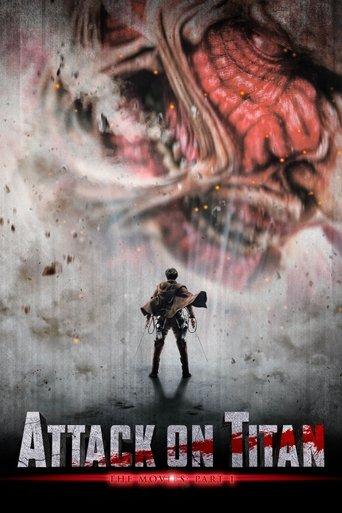
Attack on Titan
2015
The sourced concerns are substantially offset by delivered value.
What counts as a cash grab?
Commercial extraction prioritized over meaningful consumer or creative value. Profit, popularity, adaptations, sequels, remakes, high budgets, and normal marketing do not count by themselves.
Why?
The 2015 live action Attack on Titan films received mixed critical response while earning solid box office returns, but open reporting does not show credible evidence of predatory monetization or deceptive release practices tied to a cash grab strategy. Reviews criticized acting and adaptation choices and some reviewers described the narrative as underwhelming, while production accounts and interviews highlight deliberate tokusatsu practical effects work and significant visual-effects effort. Public records show a two-part theatrical release and mainstream marketing, but no sourced reporting alleges exploitative pricing, forced microtransactions, or deliberately deceptive consumer practices.
- No credible reporting found alleging predatory monetization or deceptive release practices for the 2015 films.
- Multiple mainstream critics described the adaptation as underwhelming with weak acting and narrative changes that reduced perceived creative value.
- Director and SFX personnel publicly framed the films as tokusatsu and practical-effects driven, a mitigating production effort.
View full breakdownHide full breakdown
- The films opened at number one in Japan and had measurable box office receipts, indicating commercial success rather than evidence of hidden consumer exploitation.
Score factors
| Direction | Factor | Evidence | Impact |
|---|---|---|---|
| Against | Deliberate tokusatsu and practical effects work | Director Shinji Higuchi and production reporting emphasize tokusatsu techniques and practical special effects as a central production approach for the films.[4][3] | -16 |
| For | Critics found adaptation and acting weak | Contemporary reviews and coverage described the films as underwhelming adaptions with criticisms of acting, pacing, and narrative choices that reduced perceived creative value.[7][5][6] | +15 |
| For | No predatory monetization reported | Available mainstream reporting and box office records contain no allegations of predatory monetization, deceptive pricing, or split-product shenanigans for the 2015 live action films.[2][1] | +13 |
| Against | Box office and wide release | The first film opened at number one in Japan and the live-action project posted measurable box office revenue and international distribution, showing mainstream commercial performance.[8][1] | -9 |
| For | Two part theatrical release, not by itself proof of extracti | The property was released as two theatrical parts in 2015, a distribution choice reported in contemporary coverage, but coverage does not tie that split to deceptive monetization.[2][9] | +5 |
Confidence: High · Multiple reputable contemporary reviews, production interviews, and box office records were consulted and consistently show mixed critical reception and clear production effort, while no sourced reporting links the films to predatory monetization or deceptive release practices; niche merchandising o · Researched 2026-08-01
Sources reviewed
- [1]www.moviefone.com
- [2]en.wikipedia.org
- [3]www.inter-bee.com
- [4]www.nippon.com
- [5]www.rottentomatoes.com
- [6]www.japantimes.co.jp
- [7]www.forbes.com
- [8]it.wikipedia.org
- [9]es.wikipedia.org
- [10]en.wikipedia.org
View 8 more sourcesShow fewer sources
- [11]www.reddit.com
- [12]m.imdb.com
- [13]en.wikipedia.org
- [14]www.the-numbers.com
- [15]www.cinematoday.jp
- [16]www.imdb.com
- [17]www.reddit.com
- [18]fourthreefilm.com
What does the community think?
The AI sees low cash-grab risk. What's your read?
Loading community verdict…