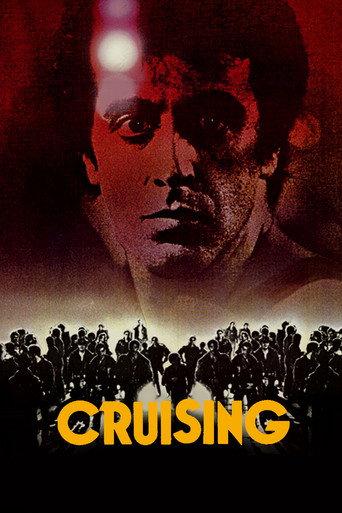
Cruising
1980
The sourced concerns are substantially offset by delivered value.
What counts as a cash grab?
Commercial extraction prioritized over meaningful consumer or creative value. Profit, popularity, adaptations, sequels, remakes, high budgets, and normal marketing do not count by themselves.
Why?
Cruising (1980) faced major organized protests from New York gay activists during production and release, and the studio and MPAA required substantial cuts before an R rating, but contemporary critics noted competent direction and location-based production values. Reporting documents protests, rating disputes, and studio caution, while reviews credit William Friedkin's craftsmanship despite narrative and ethical criticisms. There is clear evidence of commercial controversy and public-relations risk, there is no sourced evidence of predatory monetization schemes or deliberate cheap reuse to extract consumer money.
- Documented, sustained protests by gay-rights groups during production and release.
- Multiple submissions to the MPAA and mandated cuts before obtaining an R rating.
- Contemporary critics praised Friedkin's technical direction and location work.
View full breakdownHide full breakdown
- No credible sources show predatory pricing, deceptive sales tactics, or intentional low-effort reuse to extract money.
Score factors
| Direction | Factor | Evidence | Impact |
|---|---|---|---|
| Against | Budget and on-location production | Contemporary production records report a roughly $11 million budget and location shooting in Greenwich Village indicating significant production investment.[1] | -13 |
| For | Public protests | New York gay community groups organized sustained protests against the film during production and after release, arguing it misrepresented and could endanger the community.[3][2] | +12 |
| For | MPAA submissions and cuts | Reporting states the film was submitted multiple times and required cuts, with AFI noting deleted footage and multiple submissions before an R rating, and some exhibitors called for an X rating.[1] | +11 |
| For | Studio caution and impact | Press coverage and later accounts indicate the protests and controversy affected distribution choices and likely harmed box office expectations and performance.[2][4] | +9 |
| Against | Critical notes on craft | Roger Ebert and other contemporary critics acknowledged Friedkin's competent direction and suspenseful filmmaking even while criticizing the film's handling of subject matter.[5] | -6 |
Confidence: High · Contemporary primary reporting, industry records, and major critics directly discuss protests, MPAA submissions, production scale, and craft; there is strong coverage of controversy but no reputable source indicating predatory monetization or deliberate low-effort extraction. · Researched 2026-10-06
Sources reviewed
- [1]catalog.afi.com
- [2]cinema.wisc.edu
- [3]www.washingtonpost.com
- [4]www.independent.co.uk
- [5]www.rogerebert.com
- [6]en.wikipedia.org
- [7]cdn.southampton.ac.uk
- [8]www.villagevoice.com
- [9]digicoll.lib.berkeley.edu
- [10]www.archindy.org
View 7 more sourcesShow fewer sources
What does the community think?
The AI sees low cash-grab risk. What's your read?
Loading community verdict…