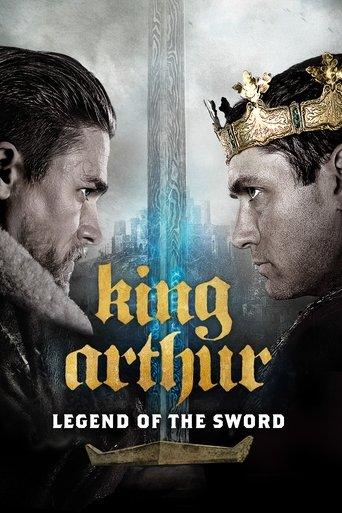
King Arthur: Legend of the Sword
2017
There are sourced concerns, but the case is limited.
What counts as a cash grab?
Commercial extraction prioritized over meaningful consumer or creative value. Profit, popularity, adaptations, sequels, remakes, high budgets, and normal marketing do not count by themselves.
Why?
King Arthur: Legend of the Sword was a high budget Warner Bros. production directed by Guy Ritchie that spent roughly $175 million on production and extensive marketing, underwent release date changes and reshoots, opened weakly and was widely reported as a major box office flop, and had plans for a franchise that were later abandoned. Reporting documents substantial studio spending and distribution decisions, while reviews and production credits show significant creative and production investment rather than an obviously low-effort reuse of existing material.
- Large reported production budget of about $175 million and heavy marketing spend increased pressure to recoup costs.
- Multiple release date changes and documented reshoots before the 2017 release.
- The film opened poorly and the planned franchise was reportedly scrapped after the box office failure.
View full breakdownHide full breakdown
- The movie shows significant production scale, named director Guy Ritchie, and original stylistic choices that argue against simple low-effort reuse.
Score factors
| Direction | Factor | Evidence | Impact |
|---|---|---|---|
| For | Heavy marketing and box office failure | Contemporary coverage and industry analysis reported extensive marketing, a weak opening weekend and global grosses well below production plus P&A, with analysts projecting large studio losses.[2][4] | +20 |
| For | Large production budget | Public box office and industry records list the film with a reported production budget of about $175 million, excluding substantial marketing spend.[3][1] | +18 |
| Against | Significant production craft | Credits and coverage identify a prominent director, notable production designers and extensive visual effects and location shooting, indicating substantial production investment and original creative choices.[3][1] | -15 |
| For | Release changes and reshoots | Reporting notes multiple shifts of the release date and director-led reshoots prior to the May 2017 release.[1][5] | +9 |
| For | Franchise plan scrapped after flop | Multiple outlets reported that planned franchise extensions were shelved after the film underperformed at the box office.[5][2] | +8 |
| Against | Original stylistic approach | Contemporary reviews and profiles described Guy Ritchie's distinct, stylized reimagining of Arthurian material rather than straightforward reuse of existing film assets.[1][2] | -6 |
Confidence: High · Contemporary industry reporting, box office databases and production credits provide direct evidence for budget, marketing, reshoots, release history and production scale; there is no sourced evidence of predatory monetization or deliberate low-effort reuse. · Researched 2026-11-12
Sources reviewed
- [1]en.wikipedia.org
- [2]www.theguardian.com
- [3]www.boxofficemojo.com
- [4]www.thewrap.com
- [5]www.rte.ie
- [6]old.filmla.com
- [7]www.abc.net.au
- [8]fictionmachine.com
- [9]www.pressherald.com
- [10]www.yahoo.com
View 5 more sourcesShow fewer sources
What does the community think?
The AI found some cash-grab signs. What's your read?
Loading community verdict…