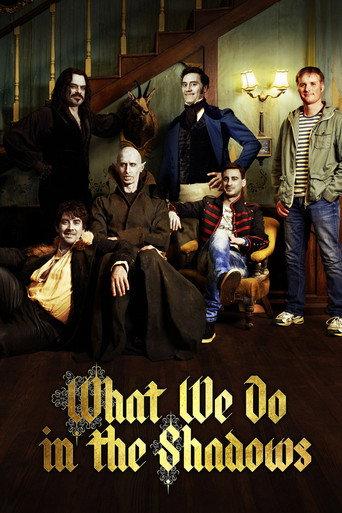
What We Do in the Shadows
2014
The sourced concerns are substantially offset by delivered value.
What counts as a cash grab?
Commercial extraction prioritized over meaningful consumer or creative value. Profit, popularity, adaptations, sequels, remakes, high budgets, and normal marketing do not count by themselves.
Why?
What We Do in the Shadows is a 2014 New Zealand mockumentary co-written and co-directed by Jemaine Clement and Taika Waititi, produced independently on a reported $1.6 million budget and later grossing roughly $6.9 million, and it received consistent critical praise for originality and craft. Contemporary reporting and festival materials describe independent production choices and creative intent, and reviews emphasize new comedic material rather than recycled franchise content, while I found no credible reporting of predatory monetization, deceptive release practices, or price gouging tied to the film.
- Independent, low budget production credited to Clement and Waititi, aimed at creative control.
- Contemporary reviews and festival coverage consistently praise originality and craft.
- Box office and industry sources show modest commercial success without signs of exploitative pricing.
View full breakdownHide full breakdown
- Later TV adaptation exists but sources treat it as creative expansion rather than evidence of a cash grab.
Score factors
| Direction | Factor | Evidence | Impact |
|---|---|---|---|
| Against | Independent production and low budget | The film was independently produced by Jemaine Clement and Taika Waititi on a reported $1.6 million budget to retain creative control.[3][2][1] | -18 |
| Against | Critical praise for originality | Multiple contemporary reviews describe the film as an original, well-executed mockumentary with substantial new comedic material rather than low-effort reuse.[4][6][5] | -17 |
| Against | Complete consumer-facing product and reception | Festival materials note an 85 minute runtime and review aggregates show a strong critical reception, indicating a finished, consumer-ready film rather than a truncated or deceptive release.[1][7] | -11 |
| For | No evidence of predatory monetization | Consulted industry box office and press sources show no reporting of predatory monetization, premium-tier deceptive pricing, or rushed release tactics associated with the 2014 film.[8][9][2] | +3 |
Confidence: High · Contemporary production notes, box office records, and multiple independent reviews provide consistent, direct evidence about the film's independent production, creative intent, critical reception, and absence of reported predatory monetization, though private contractual and ancillary revenue detai · Researched 2026-08-03
Sources reviewed
- [1]elledriver.fr
- [2]www.wired.com
- [3]en.wikipedia.org
- [4]www.theguardian.com
- [5]collider.com
- [6]www.rogerebert.com
- [7]www.rottentomatoes.com
- [8]www.boxofficemojo.com
- [9]www.the-numbers.com
- [10]en.wikipedia.org
View 12 more sourcesShow fewer sources
- [11]m.imdb.com
- [12]en.wikipedia.org
- [13]www.themoviedb.org
- [14]en.wikipedia.org
- [15]en.wikipedia.org
- [16]en.wikipedia.org
- [17]filmblitz.org
- [18]www.deepfocusreview.com
- [19]www.lavanguardia.com
- [20]arxiv.org
- [21]static1.squarespace.com
- [22]arxiv.org
What does the community think?
The AI sees low cash-grab risk. What's your read?
Loading community verdict…