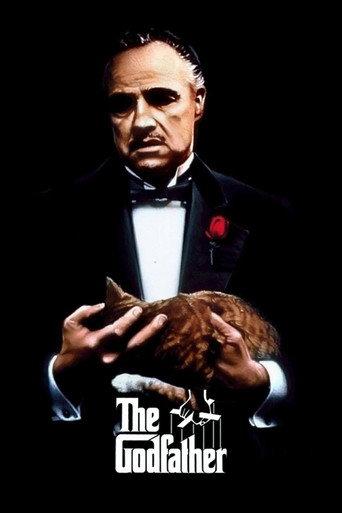
The Godfather
1972
The sourced concerns are substantially offset by delivered value.
What counts as a cash grab?
Commercial extraction prioritized over meaningful consumer or creative value. Profit, popularity, adaptations, sequels, remakes, high budgets, and normal marketing do not count by themselves.
Why?
The Godfather (1972) does not show credible evidence of being a commercial cash grab. Contemporary production histories and major reviews document studio resistance and contested casting, but they also record substantial auteur input from Francis Ford Coppola, careful production, and original dramatic reframing of Mario Puzo’s novel. The film opened to widespread critical acclaim, strong box-office returns, and major awards including Best Picture at the 1973 Academy Awards. Searches of major press, industry histories, and reviews turned up no reporting of predatory monetization or deceptive release practices.
- No reporting found of predatory monetization or deceptive pricing practices at release.
- Contemporary critics and scholars emphasize meticulous direction, performances, and cinematography.
- Production histories record studio pressure but also substantial auteur-driven decisions and risks.
View full breakdownHide full breakdown
- The film delivered a complete, highly praised product, winning Best Picture at the 1973 Oscars.
Score factors
| Direction | Factor | Evidence | Impact |
|---|---|---|---|
| Against | High production craft | Major critics and retrospective accounts highlight the film’s direction, performances, and cinematography as central artistic achievements.[2][3] | -18 |
| Against | Complete, acclaimed release | The film premiered to broad critical acclaim, major box-office success, and won Best Picture and other awards at the 1973 Academy Awards.[6][5] | -11 |
| Against | Auteur risk and studio conflict | Reporting documents that Paramount resisted some choices, casting was contested, and Coppola pursued a family-centered, morally complex approach that represented artistic risk.[1][7] | -8 |
| For | No evidence of exploitative monetization | Searches of major contemporary and retrospective reporting produced no credible accounts of predatory monetization, deceptive pricing, or revenue-first tactics around the film’s release.[1][4] | +8 |
| For | No rushed or deceptive release practices | Production histories describe a fraught but deliberate making and release process, with no reporting that the studio rushed the film to market or used deceptive release practices.[4][1] | +5 |
Confidence: High · Contemporary reviews, reputable production histories, and Academy records provide direct evidence of artistic intent and lack of extraction reporting, while remaining aware that exhaustive archival press checks beyond the sampled major sources were not performed. · Researched 2026-08-09
Sources reviewed
- [1]time.com
- [2]www.rogerebert.com
- [3]news.harvard.edu
- [4]www.newyorker.com
- [5]www.cbsnews.com
- [6]www.oscars.org
- [7]en.wikipedia.org
- [8]www.rogerebert.com
- [9]www.rogerebert.com
- [10]www.rottentomatoes.com
View 32 more sourcesShow fewer sources
- [11]www.paramountplus.com
- [12]en.wikipedia.org
- [13]www.rogerebert.com
- [14]gamefaqs.gamespot.com
- [15]www.newyorker.com
- [16]en.wikipedia.org
- [17]en.wikipedia.org
- [18]pt.wikipedia.org
- [19]johnknoxvillage.com
- [20]ueaeprints.uea.ac.uk
- [21]en.wikipedia.org
- [22]durham-repository.worktribe.com
- [23]www.oscars.org
- [24]en.wikipedia.org
- [25]awardsdatabase.oscars.org
- [26]awardsdatabase.oscars.org
- [27]www.youtube.com
- [28]awardsdatabase.oscars.org
- [29]dbpedia.org
- [30]www.sfchronicle.com
- [31]www.theguardian.com
- [32]www.imdb.com
- [33]m.filmaffinity.com
- [34]www.bafta.org
- [35]digitalcollections.oscars.org
- [36]en.wikipedia.org
- [37]en.wikipedia.org
- [38]en.wikipedia.org
- [39]digitalcollections.oscars.org
- [40]digitalcollections.drew.edu
- [41]www.alapan.org
- [42]www.reddit.com
What does the community think?
The AI sees low cash-grab risk. What's your read?
Loading community verdict…