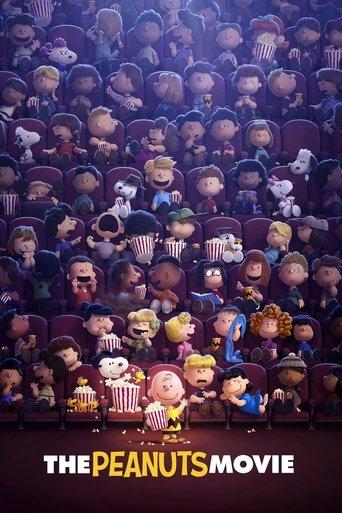
The Peanuts Movie
2015
The sourced concerns are substantially offset by delivered value.
What counts as a cash grab?
Commercial extraction prioritized over meaningful consumer or creative value. Profit, popularity, adaptations, sequels, remakes, high budgets, and normal marketing do not count by themselves.
Why?
The Peanuts Movie (2015) shows both clear commercial prioritization and substantial creative investment. Corporate filings and licensing materials document an active Peanuts licensing strategy and multiple promotional partnerships around the film. at the same time production reporting and technical coverage describe lengthy preproduction, deliberate stylistic decisions, and difficult CG work to emulate Schulz’s line, and mainstream critics praised the film’s craft and faithfulness. I find credible evidence of strong brand monetization activity, alongside equally credible evidence of meaningful production effort and new creative work.
- Corporate filings and licensing materials show Peanuts rights holders emphasized licensing revenue and retail support tied to the property.
- Public lists of promotional partners and museum/press materials document broad merchandising and promotional tie‑ins for the film.
- Technical and production coverage describes long preproduction, complex CG tests, and deliberate stylistic choices to mimic Schulz’s line.
View full breakdownHide full breakdown
- Contemporary reviews and production interviews praise the film’s craft, faithfulness, and nontrivial animation effort.
Score factors
| Direction | Factor | Evidence | Impact |
|---|---|---|---|
| For | Licensing-driven business strategy | Peanuts rights holders publicly described a licensing strategy built to generate high-margin licensing revenue and reported material increases in Peanuts licensing revenue in filings leading up to the film.[4][3] | +20 |
| Against | Deliberate animation craft and long preproduction | Blue Sky and production coverage describe about 1.5 years of preproduction, extensive animation tests, and a deliberate stylistic approach to reproduce Schulz’s line in CG.[5][1] | -18 |
| Against | Original screenplay and new feature production | The film was developed as an original feature screenplay by Craig Schulz, Bryan Schulz, and Cornelius Uliano and represents a new, full‑length CG production rather than a simple reissue of existing material.[6][2] | -12 |
| For | Extensive promotional and merchandising tie‑ins | Press materials and promotional listings around the release document multiple promotional partners, museum tie‑ins, and retail support connected to The Peanuts Movie.[2][10][7] | +11 |
| Against | Positive critical reception and faithful adaptation | Contemporary coverage and reviews praised the film’s faithfulness to the strip and its wholesome appeal, indicating a consumer-facing, finished product rather than a perfunctory knock‑off.[8][9] | -11 |
| Against | Technical challenge to emulate 2D line in CG | Technical reporting documents specific engineering and artistic challenges undertaken to maintain a Schulz-like line and stylized motion, indicating nontrivial technical risk and investment.[11][1] | -8 |
Confidence: High · The conclusion is based on corporate filings showing explicit licensing emphasis, contemporaneous production and technical reporting, and mainstream critical coverage; direct evidence of predatory pricing or deceptive release was not found in these sources. · Researched 2026-09-22
Sources reviewed
- [1]www.motionpictures.org
- [2]schulzmuseum.org
- [3]www.sec.gov
- [4]www.sec.gov
- [5]www.postmagazine.com
- [6]en.wikipedia.org
- [7]doczz.net
- [8]www.washingtonpost.com
- [9]www.screendaily.com
- [10]schulzmuseum.org
View 9 more sourcesShow fewer sources
What does the community think?
The AI sees low cash-grab risk. What's your read?
Loading community verdict…