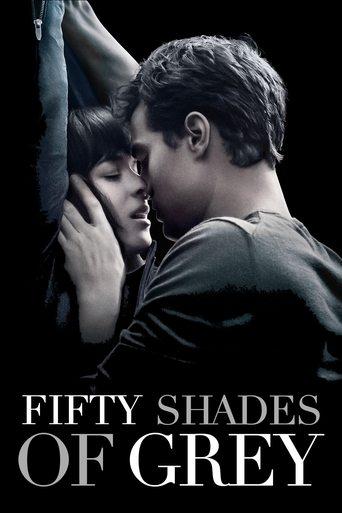
Fifty Shades of Grey
2015
There are sourced concerns, but the case is limited.
What counts as a cash grab?
Commercial extraction prioritized over meaningful consumer or creative value. Profit, popularity, adaptations, sequels, remakes, high budgets, and normal marketing do not count by themselves.
Why?
Fifty Shades of Grey (2015) shows clear commercial exploitation in its marketing and ancillary sales while delivering broadly negative critical assessments of its artistic quality. Reporting from mainstream outlets documented a coordinated merchandising push and a measurable boost to sex-toy and branded product sales timed to the film release. At the same time reviewers and aggregation sources record generally unfavorable critical reception. The picture was nonetheless a large box office success which indicates strong consumer demand rather than obvious evidence of outright predatory pricing or release fraud.
- Multiple trade reports documented a coordinated merchandising and sex-toy boom tied to the film release.
- Mainstream coverage describes targeted marketing choices timed to Valentine’s Day and broad retailer tie-ins.
- Critical coverage and aggregations record generally unfavorable reviews and commentary about weak adaptation craft.
View full breakdownHide full breakdown
- The film was a major box-office success, showing strong consumer uptake despite critical reception.
Score factors
| Direction | Factor | Evidence | Impact |
|---|---|---|---|
| For | Merchandise and sex-toy surge | Trade reporting documented large sales bumps for sex-toy makers and retailers and widespread tie-ins timed to the film’s release, indicating monetization beyond ticket sales.[2][1] | +21 |
| For | Retail tie-ins and branded products | Major retailers and specialty manufacturers sold branded blindfolds, massage oils and themed products, and companies marketed novelty tie-ins such as a Christian Grey teddy bear, reflecting a broad licensing push.[1] | +11 |
| Against | Production and marketing scale | The studio invested in mainstream production values, a high-profile soundtrack placement and an IMAX release, indicating substantial production and marketing resources were deployed.[1] | -10 |
| For | Strategic release and sexualized marketing | Coverage notes the studio shifted the release to Valentine’s Day weekend and used color, music and promotional choices to maximize commercial impact around sex and romance.[1] | +6 |
| For | No concrete predatory pricing found | Reporting and release records show format releases and tie-ins but do not show evidence of deceptive pricing schemes, paywalls, or explicit predatory consumer charges tied to the film.[1] | +3 |
Confidence: High · Coverage from established trade and mainstream outlets documents merchandising, marketing strategy and critical reception, while box-office data is robust; gaps remain on internal studio profit-allocation and licensing revenue totals. · Researched 2026-07-29
Sources reviewed
- [1]www.latimes.com
- [2]www.thewrap.com
- [3]www.prweb.com
- [4]www.clickorlando.com
- [5]www.thewrap.com
- [6]laist.com
- [7]www.heraldnet.com
- [8]www.inc.com
- [9]sg.news.yahoo.com
- [10]globalnews.ca
View 12 more sourcesShow fewer sources
- [11]www.zeit.de
- [12]www.buzzfeed.com
- [13]en.wikipedia.org
- [14]polecom.org
- [15]intensitiescultmedia.com
- [16]en.wikipedia.org
- [17]en.wikipedia.org
- [18]www.bizcommunity.com
- [19]en.wikipedia.org
- [20]www.reddit.com
- [21]de.wikipedia.org
- [22]www.reddit.com
What does the community think?
The AI found some cash-grab signs. What's your read?
Loading community verdict…