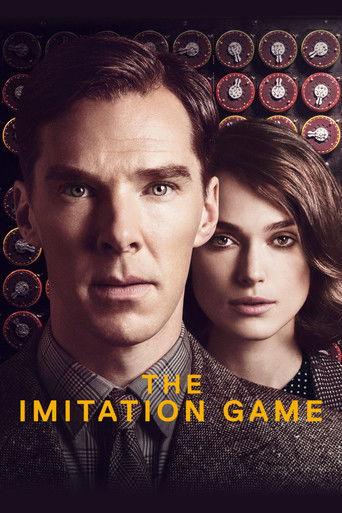
The Imitation Game
2014
The sourced concerns are substantially offset by delivered value.
What counts as a cash grab?
Commercial extraction prioritized over meaningful consumer or creative value. Profit, popularity, adaptations, sequels, remakes, high budgets, and normal marketing do not count by themselves.
Why?
The Imitation Game (2014) shows no credible evidence of being a commercial "cash grab". Reporting and box office records indicate a conventional festival premiere, theatrical rollout and home releases, not predatory monetization or deceptive release practices. The film was an adaptation of Andrew Hodges's biography with an original screenplay by Graham Moore, it earned wide critical praise, major festival awards, eight Academy Award nominations and one win, and substantial box office returns. Some critics documented historical inaccuracies and dramatization choices, but those are artistic critiques not proof of monetization exploitation.
- No reporting found of predatory pricing, bundled exploitative releases, or deceptive monetization tied to the film
- The production had conventional festival, theatrical and home-video release patterns and an awards campaign
- Strong evidence of substantive production craft, awards recognition, and commercial success
View full breakdownHide full breakdown
- Critics documented historical inaccuracies and narrative simplification, which are artistic issues not direct monetization signals
Score factors
| Direction | Factor | Evidence | Impact |
|---|---|---|---|
| Against | Substantial production craft and awards | The Imitation Game received eight Academy Award nominations, won Best Adapted Screenplay, and earned critical recognition and festival awards, indicating significant creative investment and craftsmanship.[1][2] | -18 |
| Against | Based on detailed biography with original screenplay | The film is an adaptation of Andrew Hodges's biography Alan Turing: The Enigma and was driven by an original screenplay by Graham Moore, who has described intent to do justice to Turing's story.[1][3] | -15 |
| For | Criticism for historical inaccuracies | Multiple critics and outlets documented notable historical inaccuracies and invented or dramatized elements in the screenplay, these are creative critiques but do not by themselves demonstrate predatory commercial extraction.[5][6] | +10 |
| Against | Commercial success under standard distribution | The film grossed over $200 million worldwide on a modest production budget, reflecting commercial success achieved through standard theatrical and ancillary windows rather than unusual monetization tactics.[1][4] | -9 |
| For | No exploitative monetization found | I found no reporting of predatory pricing, mandatory bundled paywalls, or other exploitative monetization tied to the film's theatrical, digital or home-video releases.[4][7] | +4 |
Confidence: High · Coverage includes extensive trade reporting, box office records, festival and awards documentation and contemporary criticism; gaps are limited to absence of any niche reporting of exploitative monetization which would be unusual for a widely covered film. · Researched 2026-08-26
Sources reviewed
- [1]en.wikipedia.org
- [2]en.wikipedia.org
- [3]www.wired.com
- [4]www.the-numbers.com
- [5]www.theguardian.com
- [6]www.nybooks.com
- [7]www.rottentomatoes.com
- [8]www.boxofficemojo.com
- [9]editorial.rottentomatoes.com
- [10]www.rottentomatoes.com
View 12 more sourcesShow fewer sources
- [11]www.imdb.com
- [12]en.wikipedia.org
- [13]catalog.afi.com
- [14]www.metacritic.com
- [15]www.thewrap.com
- [16]www.filmcomment.com
- [17]en.wikipedia.org
- [18]es.wikipedia.org
- [19]brockelpress.com
- [20]aclanthology.org
- [21]it.wikipedia.org
- [22]static.bafta.org
What does the community think?
The AI sees low cash-grab risk. What's your read?
Loading community verdict…