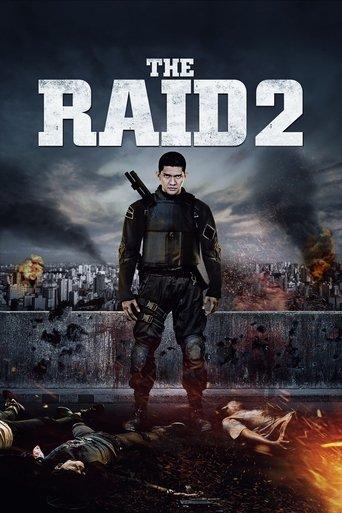
The Raid 2
2014
The sourced concerns are substantially offset by delivered value.
What counts as a cash grab?
Commercial extraction prioritized over meaningful consumer or creative value. Profit, popularity, adaptations, sequels, remakes, high budgets, and normal marketing do not count by themselves.
Why?
The Raid 2 (2014), directed by Gareth Evans and starring Iko Uwais, is documented in production interviews and reviews as a deliberately constructed, labour intensive sequel that expanded scope, runtime, and fight choreography compared with the first film. Reporting and interviews describe extended choreography, rehearsals, and on-set staging rather than quick reuse or rushed release. I found no reporting or distributor disclosures indicating predatory monetization, deceptive release practices, or a material price/value mismatch in the consulted sources.
- Contemporary interviews and feature pieces describe extensive fight choreography, rehearsal and staging that indicate substantial production effort.
- Major reviews and festival coverage highlight the film's expanded scope and long runtime as deliberate artistic choices.
- Box office and distribution records show a standard theatrical release with no reported exploitative pricing or deceptive release tactics.
View full breakdownHide full breakdown
- No credible reporting uncovered evidence of predatory monetization, excessive reuse, or rushed release practices.
Score factors
| Direction | Factor | Evidence | Impact |
|---|---|---|---|
| Against | Production craft and choreography | Director Gareth Evans and multiple interviews describe extensive choreography, rehearsals, and on-set staging for long, complex action sequences.[4][5][3] | -18 |
| Against | Expanded story and runtime | Reviews and coverage note the sequel expanded into a longer, more complex crime epic rather than recycling the original's single-location premise.[1][2] | -16 |
| Against | Standard theatrical distribution and consumer product | Box Office Mojo and distribution listings show a normal theatrical release cycle, with no reporting of deceptive release windows or pay-to-win practices.[6][1] | -9 |
| Against | Artistic and technical risk | Critical coverage highlights ambitious, risky long-form action set pieces and editing choices that suggest artistic and technical investment.[7][2] | -8 |
| For | No evidence of exploitative monetization found | Consulted production interviews, reviews, and box office/distribution records do not report predatory monetization, excessive price gouging, or deceptive DLC/packaging practices for this film.[6][3][4] | +3 |
Confidence: High · Sources include first‑hand interviews with the director and principal press reviews that directly discuss production choices; there is good coverage on craft and no credible reporting of exploitative monetization in the consulted material, but I limited searches to authoritative production and revie · Researched 2026-08-24
Sources reviewed
- [1]en.wikipedia.org
- [2]www.theguardian.com
- [3]www.theguardian.com
- [4]www.rogerebert.com
- [5]www.moviemaker.com
- [6]www.boxofficemojo.com
- [7]www.rogerebert.com
- [8]www.boxofficemojo.com
- [9]www.theguardian.com
- [10]www.imdb.com
View 10 more sourcesShow fewer sources
What does the community think?
The AI sees low cash-grab risk. What's your read?
Loading community verdict…