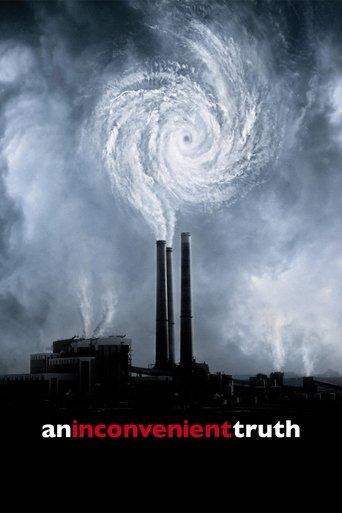
An Inconvenient Truth
2006
The sourced concerns are substantially offset by delivered value.
What counts as a cash grab?
Commercial extraction prioritized over meaningful consumer or creative value. Profit, popularity, adaptations, sequels, remakes, high budgets, and normal marketing do not count by themselves.
Why?
An Inconvenient Truth is a 2006 documentary that repackages Al Gore's long-running multimedia lecture on climate change into a feature film. Contemporary reporting, box office and home-video release records, major critical reviews, and award documentation show it was a commercially successful, widely praised documentary with substantial public impact. I found no credible reporting that the project engaged in predatory monetization, deceptive release practices, or explicit price gouging, though several commentators noted the film largely presents Gore's established slide presentation rather than wholly new cinematic invention.
- No credible sources allege predatory monetization, deceptive pricing, or deliberate consumer exploitation tied to the film.
- Reporting documents the film largely repackages Gore's long-running slide presentation, which some critics framed as reuse of existing material.
- The film won major awards and received strong critical and scientific endorsements, indicating substantive public and critical value.
View full breakdownHide full breakdown
- Commercial success and DVD/home-video distribution occurred, but available evidence shows ordinary marketplace performance rather than predatory monetization.
Score factors
| Direction | Factor | Evidence | Impact |
|---|---|---|---|
| Against | Awards and critical praise | The film won two Academy Awards and received strong critical reviews, demonstrating recognized production quality and cultural impact.[1] | -18 |
| Against | Scientific endorsement and public impact | Major outlets reported that climate scientists who reviewed the film praised its accuracy and that the documentary materially increased public awareness and policy discussion.[3][2] | -15 |
| For | Reused lecture material | Press reporting states the film largely captures Gore delivering a multimedia presentation he had given an estimated 1,000 times, indicating significant reuse of preexisting material.[4] | +13 |
| For | No predatory monetization reports | Contemporary reporting and box office/home-video records do not identify predatory monetization, deceptive pricing, or punitive bundling tied to this title.[1][6] | +5 |
| For | Political critique present, not evidence of profit-first exp | Critics and ideological commentators framed the film as political advocacy or propaganda, but those critiques do not present evidence that the production prioritized commercial extraction over consumer value.[5][7] | +5 |
Confidence: High · Contemporary mainstream reporting, box office/home-video records, major reviews, and award documentation provide strong, direct evidence and there are no credible sources alleging predatory monetization, though ideological critiques of the film's advocacy exist and do not equate to cash-grab proof. · Researched 2026-09-20
Sources reviewed
- [1]en.wikipedia.org
- [2]www.washingtonpost.com
- [3]www.latimes.com
- [4]www.latimes.com
- [5]www.mackinac.org
- [6]www.the-numbers.com
- [7]editorial.rottentomatoes.com
- [8]www.imdb.com
- [9]www.rogerebert.com
- [10]www.govinfo.gov
View 12 more sourcesShow fewer sources
- [11]www.afi.com
- [12]mrqe.com
- [13]www.timeout.com
- [14]www.metacritic.com
- [15]www.elcamino.edu
- [16]apcentral.collegeboard.org
- [17]impactguide.org
- [18]en.wikipedia.org
- [19]en.wikipedia.org
- [20]en.wikipedia.org
- [21]irp.cdn-website.com
- [22]en.wikipedia.org
What does the community think?
The AI sees low cash-grab risk. What's your read?
Loading community verdict…