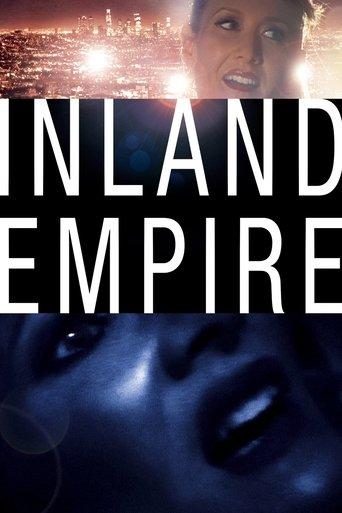
Inland Empire
2006
Insufficient evidence
We did not find enough credible, independent evidence to publish a numeric cash-grab score. Unrated is more honest than a guess.
What counts as a cash grab?
Commercial extraction prioritized over meaningful consumer or creative value. Profit, popularity, adaptations, sequels, remakes, high budgets, and normal marketing do not count by themselves.
Why?
Inland Empire (2006) is David Lynch’s three hour, highly experimental feature that he wrote, directed, photographed on a Sony DSR-PD150, edited and scored himself, and premiered on the 2006 festival circuit. Critical and scholarly coverage frames it as an auteur-driven, experimental work rather than a studio-style franchise item. Box office and distribution were modest and limited, and there is no credible reporting of predatory pricing or rushed deceptive release practices that would indicate commercial extraction over creative intent.
- David Lynch personally wrote, shot, edited, and scored the film, indicating strong auteur investment.
- The film was Lynch’s first feature shot entirely on digital video and is widely discussed as an experimental, high-risk work.
- Theatrical release and box office were modest and limited, consistent with an art-house rather than extraction-first release strategy.
View full breakdownHide full breakdown
Score factors
| Direction | Factor | Evidence | Impact |
|---|---|---|---|
| Against | Auteur production control | David Lynch wrote, directed, shot (on a Sony DSR-PD150), edited, and scored Inland Empire, and edited it largely alone, indicating high personal creative investment.[1][2] | -18 |
| Against | Digital experimentation and novel content | Inland Empire was Lynch’s first feature shot and edited entirely in digital video and is documented as an experimental assemblage including material like Rabbits and new scenes developed over years.[3][4] | -16 |
| Against | Critical framing and artistic risk | Contemporary reviews and film criticism describe Inland Empire as a deliberately challenging, auteur-driven, high-risk work rather than a mainstream commercial product.[5][7][6] | -9 |
| Against | Limited commercial reach | The film had a modest theatrical run and low box office totals in the United States and internationally, and was distributed by smaller specialty distributors rather than major studios.[8][9] | -6 |
Confidence: Low · No source-backed commercial-extraction signal was found. · Researched 2026-08-29
Sources reviewed
- [1]www.postmagazine.com
- [2]s3.amazonaws.com
- [3]www.criterion.com
- [4]harvardfilmarchive.org
- [5]www.rogerebert.com
- [6]www.bfi.org.uk
- [7]www.theguardian.com
- [8]www.boxofficemojo.com
- [9]www.the-numbers.com
- [10]en.wikipedia.org
View 29 more sourcesShow fewer sources
- [11]www.boxofficemojo.com
- [12]en.wikipedia.org
- [13]en.wikipedia.org
- [14]lynchverse.com
- [15]www.kinopoisk.ru
- [16]www.tandfonline.com
- [17]lynchverse.com
- [18]de.wikipedia.org
- [19]www.globenewswire.com
- [20]ru.wikipedia.org
- [21]es.wikipedia.org
- [22]boxofficewatch.com
- [23]catalog.afi.com
- [24]www.tandfonline.com
- [25]www.rottentomatoes.com
- [26]www.timeout.com
- [27]www.vice.com
- [28]www.notcoming.com
- [29]www.cinafilm.com
- [30]blog.cinemaautopsy.com
- [31]www.metacritic.com
- [32]en.wikipedia.org
- [33]encycloreader.org
- [34]www.reddit.com
- [35]repository.gatech.edu
- [36]rogerjburke.com
- [37]www.reddit.com
- [38]www.delmar-circa.com
- [39]www.reddit.com