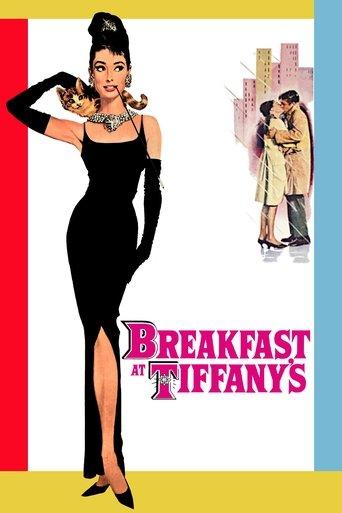
Breakfast at Tiffany's
1961
The sourced concerns are substantially offset by delivered value.
What counts as a cash grab?
Commercial extraction prioritized over meaningful consumer or creative value. Profit, popularity, adaptations, sequels, remakes, high budgets, and normal marketing do not count by themselves.
Why?
Breakfast at Tiffany's (1961) shows no credible evidence of predatory monetization or rushed deceptive release practices; instead the film is a studio adaptation that introduced substantial new elements including the Oscar winning song "Moon River" and a changed, more romantic ending. Contemporary coverage and film histories emphasize high production values, Audrey Hepburn's Givenchy wardrobe, critical acclaim and box office success. Truman Capote expressed displeasure with casting and tonal changes, which reflects creative compromise for broader appeal rather than clear exploitation or low effort reuse.
- No reputable sources report predatory monetization, deceptive release practices, or rushed cash‑in tactics for the 1961 film.
- The film added substantial new material including the Oscar winning original song "Moon River" and a reworked ending distinct from Capote's novella.
- High production craft is documented, with iconic costume design, award wins, and recognized critical praise.
View full breakdownHide full breakdown
- The picture was commercially successful on release and was promoted as a major Paramount feature, not a low-effort reuse.
Score factors
| Direction | Factor | Evidence | Impact |
|---|---|---|---|
| Against | Substantive new content added | The film introduced the original song "Moon River" and a significantly altered, more romantic ending and character presentation compared with Truman Capote's novella.[1] | -18 |
| Against | High production craft and recognition | The film received five Academy Award nominations and won awards for score and song, and its Givenchy-linked wardrobe and production design are widely cited as high craft elements.[1][2] | -18 |
| Against | Commercial success and critical praise | Contemporary box office and later critical aggregations document the film as a commercial hit and enduringly well-reviewed, indicating consumer uptake rather than evidence of purely extractive pricing.[3] | -12 |
| For | No evidence of predatory monetization | Major film histories and contemporary accounts do not report studio predatory monetization, deceptive pricing, or rushed release tactics for Breakfast at Tiffany's.[2][1] | +8 |
| For | Noted author displeasure and tonal changes | Truman Capote opposed casting choices and narrative changes, and production deliberately softened and altered the novella's tone to make Holly more likeable for film audiences.[1] | +8 |
Confidence: High · Primary film histories, contemporary coverage, and archival catalogs provide detailed production, award, and box office records, and no reputable sources describe predatory monetization, though internal studio memos could reveal additional commercial motivations not publicly archived. · Researched 2026-08-08
Sources reviewed
- [1]catalog.afi.com
- [2]www.tcm.com
- [3]www.rottentomatoes.com
- [4]en.wikipedia.org
- [5]www.paramountpictures.com
- [6]www.imdb.com
- [7]www.imdb.com
- [8]goldenglobes.com
- [9]www.tcm.com
- [10]www.sparknotes.com
View 8 more sourcesShow fewer sources
What does the community think?
The AI sees low cash-grab risk. What's your read?
Loading community verdict…