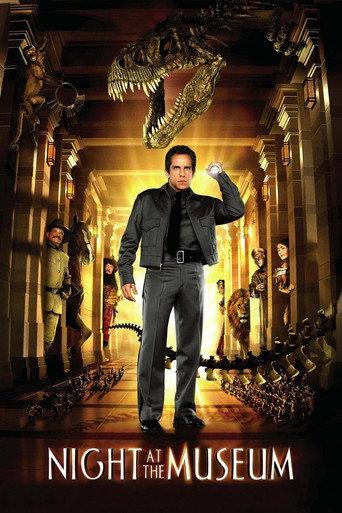
Night at the Museum
2006
The sourced concerns are substantially offset by delivered value.
What counts as a cash grab?
Commercial extraction prioritized over meaningful consumer or creative value. Profit, popularity, adaptations, sequels, remakes, high budgets, and normal marketing do not count by themselves.
Why?
Night at the Museum (released December 22, 2006) shows no credible reporting that its original 2006 release was a predatory cash grab. Contemporary trade and press coverage document a large theatrical and home-video business, an expanded original screenplay based on a 1993 picture book, and extensive visual effects work by credited vendors, all consistent with a high-budget family spectacle rather than clear exploitation through deceptive pricing or rushed release practices.
- No credible reporting found of predatory monetization, deceptive pricing, or rushed release tied to the 2006 release.
- Contemporary trade and VFX coverage documents extensive, technically demanding visual effects work by Rhythm & Hues and VFX supervisors.
- The film expands a short 1993 picture book into a feature screenplay with new sequences and characters.
View full breakdownHide full breakdown
- Strong box office ($574M worldwide) and sizable home-video revenue indicate audience demand and deliverable consumer value, despite mixed critical reviews.
Score factors
| Direction | Factor | Evidence | Impact |
|---|---|---|---|
| Against | Production craft and VFX | Trade and press articles credit VFX supervisors and vendors including Jim Rygiel and Rhythm & Hues with hundreds of demanding shots, complex crowd simulation and character animation for the film.[2][4][3] | -18 |
| Against | Substantive new content | Production notes and coverage indicate the feature substantially expands the short 1993 picture book into a full-length original screenplay with new characters and sequences.[1][6] | -12 |
| Against | Audience reception and revenue | Box-office data, home-video revenue estimates and recorded audience polling (CinemaScore A−) show strong commercial and audience reception, consistent with consumer value rather than clear exploitation.[5][1] | -11 |
| For | Low-effort reuse | Although credited as based on a 1993 children's book, production and VFX reporting describe hundreds of original VFX shots and new sequences, indicating substantial original filmmaking rather than trivial reuse.[1][2] | +10 |
| For | Exploitative monetization | I found no credible reporting that the film used predatory monetization, premium pricing, or deceptive release tactics for its 2006 theatrical or home-video windows.[5][7] | +3 |
| For | Franchise development vs exploitation | The film later spawned sequels and franchise entries, but I found no reporting that the original 2006 release intentionally exploited brand recognition with deceptive practices at release.[1] | +2 |
Confidence: High · Contemporary trade reporting, box-office and VFX coverage provide direct, corroborated evidence about production, reception and revenue; there are no credible sources uncovered that allege predatory monetization or deceptive release practices, though detailed records of ancillary merchandising beyon · Researched 2026-09-22
Sources reviewed
- [1]en.wikipedia.org
- [2]www.awn.com
- [3]www.latimes.com
- [4]www.cgw.com
- [5]www.the-numbers.com
- [6]www.emol.org
- [7]www.boxofficemojo.com
- [8]www.fxguide.com
- [9]www.latimes.com
- [10]www.gamesradar.com
View 11 more sourcesShow fewer sources
What does the community think?
The AI sees low cash-grab risk. What's your read?
Loading community verdict…