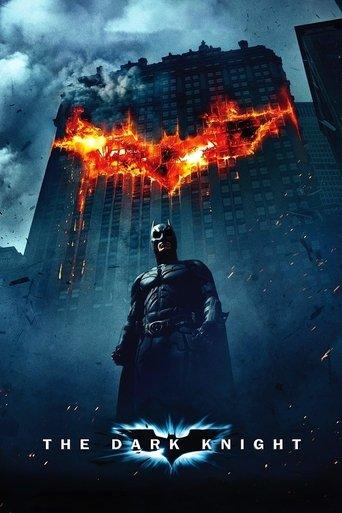
The Dark Knight
2008
Insufficient evidence
We did not find enough credible, independent evidence to publish a numeric cash-grab score. Unrated is more honest than a guess.
What counts as a cash grab?
Commercial extraction prioritized over meaningful consumer or creative value. Profit, popularity, adaptations, sequels, remakes, high budgets, and normal marketing do not count by themselves.
Why?
The Dark Knight (2008) shows strong evidence against being a cash grab. Production reporting and archival essays document a $185 million shoot with substantial practical effects and IMAX photography, principal photography beginning April 18, 2007, and a normal July 18, 2008 theatrical rollout. Contemporary reviews and awards recognize substantial new creative work, notably Heath Ledger’s Oscar for Best Supporting Actor and multiple technical accolades. Independent reporting and home-video disclosures show standard marketing and release practices, with no credible reporting of predatory monetization, rushed release, or deceptive consumer practices.
- High-budget, high-effort production with IMAX photography and practical effects documented by production reporting and archives.
- Contemporary critical consensus and major awards, including a posthumous Best Supporting Actor Oscar for Heath Ledger, indicate substantive artistic value.
- The film followed an ordinary production-to-release timeline, no credible sources report rushed or deceptive release practices.
View full breakdownHide full breakdown
Score factors
| Direction | Factor | Evidence | Impact |
|---|---|---|---|
| Against | High production craft | Reporting and archival essays document a $185 million production that used IMAX cameras for significant sequences, extensive practical effects, and cinematographer Wally Pfister’s work.[1][3][2] | -19 |
| Against | Substantial new narrative and thematic contribution | Contemporary criticism and reference essays treat the film as a thematic and narrative advancement beyond Batman Begins, emphasizing the Joker and Harvey Dent arcs as original, substantial content.[4][1] | -16 |
| Against | Artistic and technical risk-taking | Director Christopher Nolan elected to train crew on and shoot IMAX sequences and stage large practical setpieces, choices described in interviews and production coverage as technically ambitious.[6][1] | -8 |
| Against | Critical acclaim and awards recognition | The film received widespread critical praise and multiple major awards, including Heath Ledger’s posthumous Academy Award for Best Supporting Actor and a Best Sound Editing Oscar.[5] | -13 |
Confidence: Low · No source-backed commercial-extraction signal was found. · Researched 2026-07-27
Sources reviewed
- [1]en.wikipedia.org
- [2]www.awn.com
- [3]lcweb2.loc.gov
- [4]www.bfi.org.uk
- [5]www.rogerebert.com
- [6]www.latimes.com
- [7]www.boxofficemojo.com
- [8]www.the-numbers.com
- [9]www.imdb.com
- [10]en.wikipedia.org
View 99 more sourcesShow fewer sources
- [11]www.brandongray.com
- [12]en.wikipedia-on-ipfs.org
- [13]www.theguardian.com
- [14]abcnews.go.com
- [15]batman-on-film.com
- [16]en.wikipedia.org
- [17]oak1.the-numbers.com
- [18]www.theguardian.com
- [19]en.wikipedia.org
- [20]en.wikipedia.org
- [21]en.wikipedia.org
- [22]www.reddit.com
- [23]academics.smcvt.edu
- [24]www.inquirer.com
- [25]www.theguardian.com
- [26]www.imdb.com
- [27]www.hollywoodchicago.com
- [28]batman.wikibruce.com
- [29]everything.explained.today
- [30]united08.canalblog.com
- [31]pt.wikipedia.org
- [32]www.gamespot.com
- [33]houseofbeautydoreen.com
- [34]www.televisa.com
- [35]www.slashfilm.com
- [36]www.funtrivia.com
- [37]fr.wikipedia.org
- [38]www.reddit.com
- [39]newspapers.swco.ttu.edu
- [40]www.rogerebert.com
- [41]www.rogerebert.com
- [42]www.latimes.com
- [43]www.latimes.com
- [44]services.phaidra.univie.ac.at
- [45]www.rogerebert.com
- [46]www.rottentomatoes.com
- [47]en.wikipedia.org
- [48]www.researchgate.net
- [49]en.wikipedia.org
- [50]en.wikipedia.org
- [51]www.rogerebert.com
- [52]www.crimetime.co.uk
- [53]time.com
- [54]en.wikipedia.org
- [55]marypickford.org
- [56]en.wikipedia.org
- [57]en.wikipedia.org
- [58]www.taipeitimes.com
- [59]www.adelphi.edu
- [60]em.heephong.org
- [61]www.oscars.org
- [62]www.oscars.org
- [63]www.oscars.org
- [64]www.oscars.org
- [65]www.theguardian.com
- [66]www.theguardian.com
- [67]www.imdb.com
- [68]www.oscars.org
- [69]awardsdatabase.oscars.org
- [70]awardsdatabase.oscars.org
- [71]en.wikipedia.org
- [72]awardsdatabase.oscars.org
- [73]abc7.com
- [74]www.actorawards.org
- [75]en.wikipedia.org
- [76]en.wikipedia.org
- [77]en.wikipedia.org
- [78]en.wikipedia.org
- [79]www.reddit.com
- [80]www.reddit.com
- [81]fileserver-az.core.ac.uk
- [82]www.reddit.com
- [83]everestart.com
- [84]www.cmu.edu
- [85]www.rottentomatoes.com
- [86]www.timeout.com
- [87]forums.superherohype.com
- [88]www.metacritic.com
- [89]www.rottentomatoes.com
- [90]benjamindavidsteele.wordpress.com
- [91]www.metacritic.com
- [92]web.isanet.org
- [93]www.reddit.com
- [94]www.rogerebert.com
- [95]www.rottentomatoes.com
- [96]editorial.rottentomatoes.com
- [97]en.wikipedia.org
- [98]www.rogerebert.com
- [99]www.imdb.com
- [100]www.prnewswire.com
- [101]ir.canterbury.ac.nz
- [102]www.rogerebert.com
- [103]www.rogerebert.com
- [104]etheses.bham.ac.uk
- [105]www.reddit.com
- [106]press.uchicago.edu
- [107]www.reddit.com
- [108]www.reddit.com
- [109]movies.nytimes.com