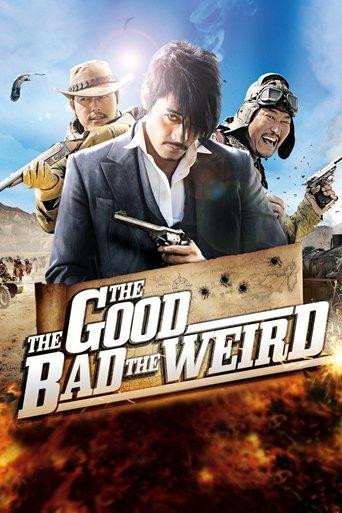
The Good, the Bad, the Weird
2008
The sourced concerns are substantially offset by delivered value.
What counts as a cash grab?
Commercial extraction prioritized over meaningful consumer or creative value. Profit, popularity, adaptations, sequels, remakes, high budgets, and normal marketing do not count by themselves.
Why?
The Good, the Bad, the Weird is a 2008 South Korean "kimchi western" directed by Kim Jee-woon, produced with multi‑million dollar backing, extensive production design and large action set pieces, and it received broadly positive critical response and strong box office in Korea. I found no credible reporting of predatory monetization, deceptive release tactics, or deliberate low‑effort brand exploitation. Available sources emphasize ambitious stunt work, art and costume design, and festival and trade coverage framing it as a high‑production genre exercise rather than a quick commercial cash grab.
- Contemporary trade reporting cites a sizable production budget and festival bookings, indicating significant investment and intent to compete on craft.
- Critic aggregators and major reviews praise the large action set pieces, production design, and directorial authorship, supporting substantive creative value.
- Box office reporting shows strong domestic admissions and standard theatrical release, with no evidence of predatory pricing or deceptive distribution.
View full breakdownHide full breakdown
- No credible sources describe rushed release, extensive recycled footage, or monetization schemes beyond normal theatrical and ancillary windows.
Score factors
| Direction | Factor | Evidence | Impact |
|---|---|---|---|
| Against | Production budget and investment | Contemporary trade and film office listings report a multi‑million dollar budget and CJ Entertainment distribution, indicating sizable production investment rather than low‑effort reuse.[1][2][3] | -18 |
| Against | Critical reception and emphasis on craft | Major critics and aggregators highlight the film's elaborate action set pieces, production design and directorial vision rather than calling it opportunistic franchise padding.[4][6][5] | -17 |
| For | No evidence of predatory monetization | I found no credible reporting of paywalls, exploitative DLC style tie‑ins, deceptive marketing, or other predatory monetization associated with this film.[1][7] | +13 |
| Against | Standard theatrical distribution and healthy admissions | Trade coverage reports a wide theatrical release in Korea with over two million admissions early in its run and routine festival play, with no reporting of deceptive or rushed release practices.[2][1] | -9 |
Confidence: High · Coverage from major trade outlets, festival listings, box office reporting, and multiple critic aggregators provide direct, consistent evidence about production scale and reception, and no sources indicate extraction or deceptive monetization. · Researched 2026-10-01
Sources reviewed
- [1]en.wikipedia.org
- [2]www.screendaily.com
- [3]www.boxofficemojo.com
- [4]www.metacritic.com
- [5]mubi.com
- [6]www.rottentomatoes.com
- [7]www.koreanfilm.or.kr
- [8]www.metacritic.com
- [9]www.imdb.com
- [10]www.koreanfilm.or.kr
View 7 more sourcesShow fewer sources
What does the community think?
The AI sees low cash-grab risk. What's your read?
Loading community verdict…