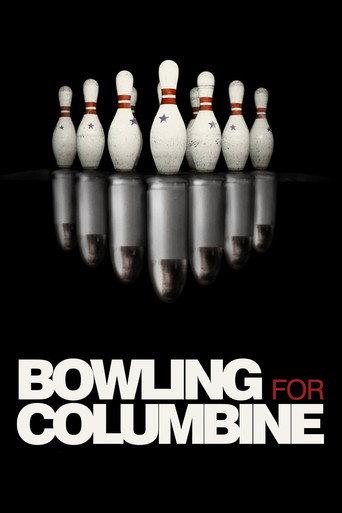
Bowling for Columbine
2002
The sourced concerns are substantially offset by delivered value.
What counts as a cash grab?
Commercial extraction prioritized over meaningful consumer or creative value. Profit, popularity, adaptations, sequels, remakes, high budgets, and normal marketing do not count by themselves.
Why?
Bowling for Columbine (2002) shows strong evidence of substantive creative and commercial success rather than a cash grab. The film won the Academy Award for Best Documentary, earned wide critical praise, influenced documentary distribution, and later received a director-approved Criterion edition with restoration and extras. There are documented criticisms and a 2007 rebuttal documentary alleging selective editing and misleading tactics, and Michael Moore publicly responded to those critiques. I found no credible reporting that the film relied on predatory monetization, rushed release tactics, or blatant low-effort reuse to extract consumers.
- Won the 2003 Academy Award for Best Documentary and received major festival prizes, signaling significant production and critical recognition.
- Widely praised by critics and major documentary organizations as influential, indicating substantive new content and craft.
- Documented criticisms and a 2007 film accused Moore of misleading editing, and Moore published responses to critics.
View full breakdownHide full breakdown
- No credible sources found alleging predatory monetization, deceptive pricing, or rushed release practices aimed at extracting consumers.
Score factors
| Direction | Factor | Evidence | Impact |
|---|---|---|---|
| Against | Awards and critical recognition | Bowling for Columbine won the Academy Award for Best Documentary Feature and multiple festival prizes, and is widely cited as a major, influential documentary.[1][2] | -18 |
| Against | Critical reception and influence | Critics and film organizations praised the film for its energy and impact, and it is credited with helping to demonstrate the box office potential of documentaries.[2][1] | -15 |
| Against | Box office and ongoing availability | Box-office and home-market records show the film had substantial commercial reach for a documentary and continued availability across home video and archival releases.[3][4] | -11 |
| For | No credible evidence of predatory monetization | Searches of major reporting, reviews, festival coverage, and release documentation turned up no credible allegations that the film employed predatory monetization, exploitative pricing, or deceptive release strategies intended to extract consumers.[1][2][3] | +10 |
| Against | Complete consumer releases | The film was later issued in a director-approved Criterion special edition with restoration, new extras, and standard retail pricing, indicating a full consumer-oriented product.[4] | -9 |
| For | Accusations of selective or misleading presentation | Contemporaneous critics and a 2007 documentary, Manufacturing Dissent, alleged Moore used misleading editing and tactics, and Moore published responses addressing those criticisms.[1][6][5] | +8 |
Confidence: High · The title is well documented in reputable sources covering both its acclaim and its criticisms, allowing direct citation of awards, reviews, release editions, and documented disputes with no notable gaps in coverage. · Researched 2026-09-05
Sources reviewed
- [1]en.wikipedia.org
- [2]www.documentary.org
- [3]www.the-numbers.com
- [4]www.criterion.com
- [5]boingboing.net
- [6]en.wikipedia.org
- [7]www.rogerebert.com
- [8]www.rottentomatoes.com
- [9]www.rogerebert.com
- [10]www.rogerebert.com
View 14 more sourcesShow fewer sources
What does the community think?
The AI sees low cash-grab risk. What's your read?
Loading community verdict…