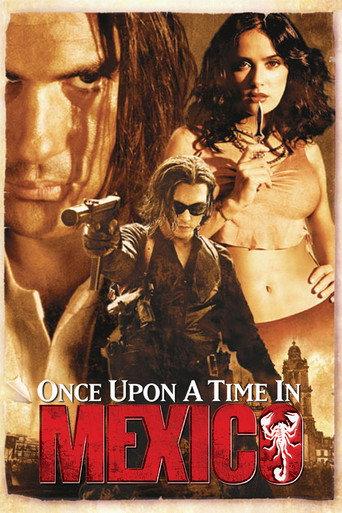
Once Upon a Time in Mexico
2003
The sourced concerns are substantially offset by delivered value.
What counts as a cash grab?
Commercial extraction prioritized over meaningful consumer or creative value. Profit, popularity, adaptations, sequels, remakes, high budgets, and normal marketing do not count by themselves.
Why?
Once Upon a Time in Mexico is a 2003 Robert Rodriguez film, the third entry in his El Mariachi cycle, produced for about $29 million and grossing roughly $98 million worldwide. Contemporary reporting and reviews document Rodriguez writing, directing, scoring, shooting and editing the picture and adopting a Sony digital Hi-Def workflow. Critics praised its technical showmanship while often criticizing narrative coherence. I found no credible reporting of predatory monetization, deceptive release practices, or deliberate low-effort reuse indicating a commercial extraction scheme.
- No contemporary reporting or industry coverage alleges predatory monetization or deceptive release practices for this film.
- Robert Rodriguez served in multiple creative and technical roles and used new digital cinematography, indicating craft and technical investment.
- The film contains original plot and high profile casting, not obvious recycled footage or derivative rebranding.
View full breakdownHide full breakdown
- Critics emphasized style and visual techniques over narrative weakness, which suggests artistic choices rather than straightforward franchise exploitation.
Score factors
| Direction | Factor | Evidence | Impact |
|---|---|---|---|
| Against | Director's multi-role authorship | Robert Rodriguez is credited with writing, directing, producing, shooting, editing and scoring the film, a sign of strong auteur involvement and hands-on production craft.[1][2] | -16 |
| Against | Substantive new content and casting | This film is the third installment in Rodriguez's Mariachi cycle with a distinct plot and major cast additions including Antonio Banderas, Salma Hayek and Johnny Depp rather than simple reuse of prior footage.[2][3] | -12 |
| Against | Commercial success and standard release | The film opened at number one and grossed roughly three times its production budget in standard theatrical release windows, indicating mainstream commercial uptake rather than atypical monetization tactics.[4] | -9 |
| For | No reported exploitative monetization | Contemporary industry reporting and major reviews contain no allegations of predatory monetization, deceptive pricing, or exploitative release for Once Upon a Time in Mexico.[3][5][1] | +8 |
| Against | Use of digital cinematography | Reporting documents Rodriguez used and personally operated a new Sony 24-fps digital Hi-Def camera for the film, showing technical experimentation and risk.[1][6] | -7 |
Confidence: High · Multiple contemporary reviews, production reports, and box office records from reputable outlets document production choices and commercial performance, and none allege exploitative monetization, though absence of allegations cannot prove intent beyond available reporting. · Researched 2026-09-05
Sources reviewed
- [1]www.rogerebert.com
- [2]en.wikipedia.org
- [3]www.boxofficemojo.com
- [4]www.latimes.com
- [5]www.rottentomatoes.com
- [6]www.latimes.com
- [7]www.phase9.tv
- [8]www.rogerebert.com
- [9]www.latimes.com
- [10]catalog.afi.com
View 8 more sourcesShow fewer sources
What does the community think?
The AI sees low cash-grab risk. What's your read?
Loading community verdict…