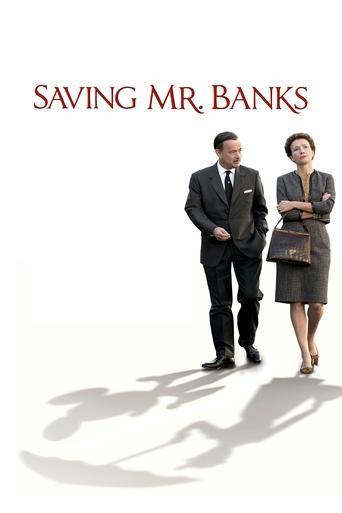
Saving Mr. Banks
2013
The sourced concerns are substantially offset by delivered value.
What counts as a cash grab?
Commercial extraction prioritized over meaningful consumer or creative value. Profit, popularity, adaptations, sequels, remakes, high budgets, and normal marketing do not count by themselves.
Why?
Saving Mr. Banks is a 2013 dramatized biopic about P.L. Travers and Walt Disney during the 1961 negotiations over Mary Poppins. Reporting and production material show substantial craft, archival research, and access to Disney archives for materials and tapes, while contemporary reviews highlight strong performances and polished production values. I found criticism that the film takes liberties with historical facts and presents a Disney-friendly perspective, but I found no credible evidence of predatory monetization, deceptive pricing, or intentionally rushed commercial exploitation surrounding the film's release.
- Production used primary Walt Disney Archive sources and visible period production design, indicating substantial craft and investment.
- Critics and industry coverage praised performances and production values, supporting substantive new content rather than low-effort reuse.
- The film was a modest commercial success versus a $35 million budget, but box office success alone is not evidence of a cash grab.
View full breakdownHide full breakdown
- Journalists and historians documented factual liberties and a Disney-centric framing, showing narrative slant but not clear predatory monetization.
Score factors
| Direction | Factor | Evidence | Impact |
|---|---|---|---|
| Against | Production craft and archival research | Filmmakers accessed the Walt Disney Archive and used extensive historical photographs and artifacts for production design, indicating significant craft investment.[1][3] | -18 |
| Against | Performances and new dramatic material | Contemporary reviews consistently praised Emma Thompson and Tom Hanks and noted the film's polished, thoughtfully staged dramatization rather than cheap reuse.[2] | -16 |
| For | Disney-centric narrative framing | Coverage noted the film presents a Disney-friendly perspective and merges invented elements with biography, raising concerns about narrative bias favoring the studio.[4][1] | +8 |
| For | Absence of reported exploitative monetization | I found no reporting of predatory monetization, packaged exploit tactics, or deceptive commercial release practices specifically tied to this film.[2] | +8 |
| For | Documented historical liberties | Fact-checking by historians and journalists documents specific inaccuracies and composites in the film's depiction of events and participants.[5][6] | +6 |
Confidence: High · Multiple contemporary industry and press sources, production documentation, archival reporting, box office records, and fact-checking were available and directly consulted, the gap is absence of any reporting that would indicate predatory monetization. · Researched 2026-10-25
Sources reviewed
- [1]catalog.afi.com
- [2]www.latimes.com
- [3]advc.disney.go.com
- [4]www.theguardian.com
- [5]www.orlandoweekly.com
- [6]en.wikipedia.org
- [7]academic.oup.com
- [8]www.rottentomatoes.com
- [9]www.washingtonpost.com
- [10]www.theguardian.com
View 7 more sourcesShow fewer sources
What does the community think?
The AI sees low cash-grab risk. What's your read?
Loading community verdict…