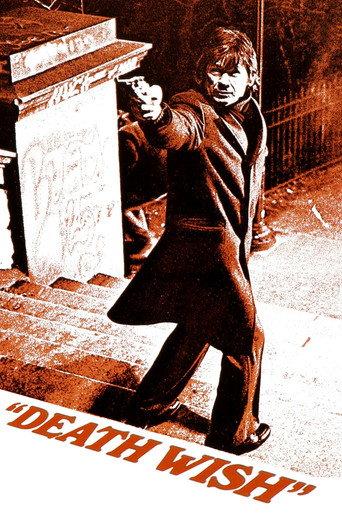
Death Wish
1974
The sourced concerns are substantially offset by delivered value.
What counts as a cash grab?
Commercial extraction prioritized over meaningful consumer or creative value. Profit, popularity, adaptations, sequels, remakes, high budgets, and normal marketing do not count by themselves.
Why?
For 1974's Death Wish there is credible documentation that the film was a mainstream studio-backed production rather than a thinly disguised cash grab. Dino De Laurentiis presented the film, Michael Winner directed, and Charles Bronson headlined a fully realized theatrical release that drew substantial controversy for its political stance. The novel's author Brian Garfield publicly disavowed the adaptation and later wrote a rebuttal novel, and the movie's commercial success produced sequels and later franchise exploitation, but I found no direct evidence of predatory monetization or deceptive release practices tied to the original 1974 release.
- Substantial studio backing and a professional production team indicate conventional commercial filmmaking intent.
- Author Brian Garfield publicly disavowed the adaptation and wrote a rebuttal, showing creative divergence not necessarily low effort.
- Contemporary and retrospective criticism centers on political and moral controversy rather than evidence of predatory monetization.
View full breakdownHide full breakdown
- The film spawned sequels and later franchising, which indicates post-release commercial exploitation but not proof the original was a cash grab.
Score factors
| Direction | Factor | Evidence | Impact |
|---|---|---|---|
| For | No evidence of predatory monetization or deceptive release | I found no credible reporting or archival documentation alleging predatory monetization, deceptive pricing, rushed release, or similar exploitative release practices for the film's 1974 theatrical release.[4][2][1] | +20 |
| Against | Studio backing and production | The 1974 film was produced by Dino De Laurentiis, directed by Michael Winner, and starred Charles Bronson, indicating substantial studio financing and professional production values.[3][5][1] | -18 |
| For | Commercial success and subsequent franchising | The original film's box office success led to multiple sequels and later franchise continuation by companies like Cannon, indicating post-release commercial exploitation of the property.[6][7] | +11 |
| For | Author disavowal of the adaptation | Brian Garfield publicly criticized the film version as unfaithful to his novel and later published the novel Death Sentence as a rebuttal to the movie's vigilante framing.[3][2] | +9 |
| Against | Creative risk and controversy | Contemporary and retrospective commentary emphasizes the film's controversial political stance and moral ambiguity, which critics treated as a substantive artistic choice rather than mere low-effort brand exploitation.[4][8] | -7 |
Confidence: High · Multiple reputable production histories, major media retrospectives, and archival resources document the film's financing, creative disputes, and later franchising; there is no contemporary reporting uncovered that alleges predatory monetization or deceptive release for the 1974 original. · Researched 2026-09-20
Sources reviewed
- [1]catalog.afi.com
- [2]www.denofgeek.com
- [3]en.wikipedia.org
- [4]www.theguardian.com
- [5]www.paramountpictures.com
- [6]en.wikipedia.org
- [7]www.latimes.com
- [8]www.comingsoon.net
- [9]en.wikipedia.org
- [10]fr.wikipedia.org
View 10 more sourcesShow fewer sources
What does the community think?
The AI sees low cash-grab risk. What's your read?
Loading community verdict…