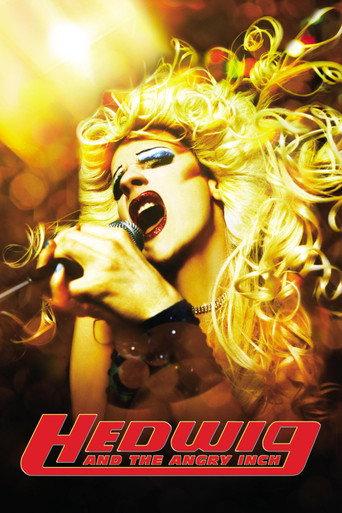
Hedwig and the Angry Inch
2001
The sourced concerns are substantially offset by delivered value.
What counts as a cash grab?
Commercial extraction prioritized over meaningful consumer or creative value. Profit, popularity, adaptations, sequels, remakes, high budgets, and normal marketing do not count by themselves.
Why?
Hedwig and the Angry Inch (2001) was an independent film adaptation of John Cameron Mitchell and Stephen Trask’s Off Broadway rock musical, written, directed by, and starring Mitchell. Contemporary production reporting and reviews describe a deliberate, craft-driven adaptation that premiered at festivals and received strong critical praise, while box office figures show a modest limited theatrical return. I found no credible sources documenting predatory monetization, rushed or deceptive release, or overt franchise-style exploitation of the property.
- Adaptation of a recent Off Broadway property authored by the film’s director, indicating creator-driven production rather than external franchise extraction.
- Contemporary reviews and production profiles emphasize cinematic work and creative risk in adapting the stage piece.
- The film had a limited theatrical release and modest box office, not large-scale commercial exploitation.
View full breakdownHide full breakdown
- I found no reporting of predatory monetization, aggressive franchise merchandising, or deceptive release practices.
Score factors
| Direction | Factor | Evidence | Impact |
|---|---|---|---|
| Against | Critical praise for craft | Major critics and outlets described the film as a carefully crafted cinematic adaptation with strong performances and inventive staging.[2][1] | -18 |
| Against | Creator driven origin | The film was adapted by John Cameron Mitchell from his own Off Broadway musical, Mitchell wrote directed and starred in the film, showing continuity of creative authorship.[4] | -16 |
| Against | Added cinematic material | Contemporary interviews and coverage note the film expands and reshapes the stage material with cinematic sequences and editing choices specific to film.[3][1] | -15 |
| For | No reported predatory monetization | I found no credible reporting of predatory monetization, excessive tie-in products, or deceptive sales practices associated with the film's release.[2] | +13 |
| Against | Festival and indie production profile | Reporting places the film in the independent festival circuit and describes a deliberate feature debut rather than a studio-driven quick cash project.[3] | -7 |
Confidence: High · Multiple contemporaneous production profiles and major critic reviews directly describe the film’s indie production, creative authorship, and cinematic adaptation while no reputable sources report exploitative monetization or deceptive release practices. · Researched 2026-09-22
Sources reviewed
- [1]www.latimes.com
- [2]www.rogerebert.com
- [3]filmmakermagazine.com
- [4]playbill.com
- [5]en.wikipedia.org
- [6]www.boxofficemojo.com
- [7]www.the-numbers.com
- [8]www.wikidata.org
- [9]www.splicedwire.com
- [10]www.rottentomatoes.com
View 10 more sourcesShow fewer sources
What does the community think?
The AI sees low cash-grab risk. What's your read?
Loading community verdict…