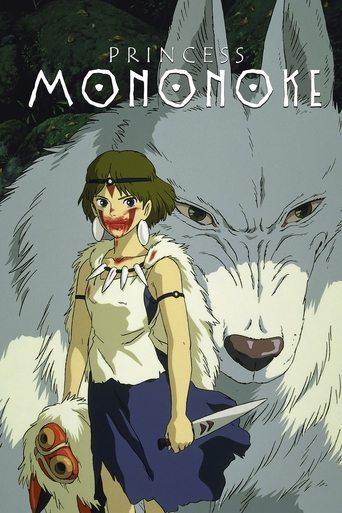
Princess Mononoke
1997
The sourced concerns are substantially offset by delivered value.
What counts as a cash grab?
Commercial extraction prioritized over meaningful consumer or creative value. Profit, popularity, adaptations, sequels, remakes, high budgets, and normal marketing do not count by themselves.
Why?
Princess Mononoke is a 1997 Hayao Miyazaki feature produced by Studio Ghibli that was widely documented as a high-cost, hand-crafted animated film combining extensive cel animation with selective computer graphics, produced under Miyazaki's close supervision and released through standard theatrical and home-video channels; distribution contracts explicitly limited outside creative control and merchandising, and contemporaneous coverage and distribution histories show no credible reporting of predatory monetization or rushed deceptive release practices.
- Production records and technical coverage show extensive hand-drawn production and pioneering in-house CGI, indicating substantial craft and cost.
- Contemporaneous reporting and studio materials document standard theatrical and home-video distribution without evidence of predatory pricing or deceptive release.
- Licensing history shows Studio Ghibli restricted distributors from taking merchandising or creative-control rights, limiting opportunistic exploitation.
View full breakdownHide full breakdown
- The film achieved major box office and home-video success, but that commercial success is not in itself evidence of a cash grab.
Score factors
| Direction | Factor | Evidence | Impact |
|---|---|---|---|
| Against | High production craftsmanship | Contemporary technical coverage and studio notes report roughly 144,000 hand-drawn cels, Miyazaki frame-by-frame supervision, and the film was the most expensive Japanese animated film of its era using limited in-house CGI for under ten minutes of footage.[3][1][2] | -18 |
| Against | Original artistic content and development | Princess Mononoke originated from Miyazaki sketches and image-album work dating to the 1970s and 1980s and was developed into a full original screenplay and long-form film, accompanied by detailed production documentaries and scholarly attention.[5][1] | -15 |
| Against | Standard theatrical and home-video distribution | The film had wide theatrical release, major box office returns in Japan and internationally, and multiple official home-video releases under licensed distributors rather than unusual or deceptive release channels.[4] | -9 |
| For | No credible evidence of predatory monetization found | A review of contemporaneous coverage, distributor histories, and home-video reporting turned up no credible allegations of predatory pricing, deceptive release practices, or rushed cash-driven releases for Princess Mononoke.[4][1] | +8 |
Confidence: High · The conclusion is based on multiple authoritative production histories, distributor records, and industry reporting; gaps are limited to private contract financial terms that are not publicly disclosed, but public evidence shows no extraction signals. · Researched 2026-08-05
Sources reviewed
- [1]web.library.yale.edu
- [2]www.ghibli.jp
- [3]www.cgw.com
- [4]www.boxofficemojo.com
- [5]en.wikipedia.org
- [6]www.the-numbers.com
- [7]go-60de6c82-be11-98e1-4d6c-c65a234eee95.disney.io
- [8]www.crunchyroll.com
- [9]www.latimes.com
- [10]anipike.asie.pl
View 35 more sourcesShow fewer sources
- [11]www.nausicaa.net
- [12]tile.loc.gov
- [13]www.nausicaa.net
- [14]corusentertainment.fandom.com
- [15]www.tohokingdom.com
- [16]movies.fandom.com
- [17]movies.fandom.com
- [18]asian.fiu.edu
- [19]www.reddit.com
- [20]citeseerx.ist.psu.edu
- [21]arxiv.org
- [22]en.wikipedia.org
- [23]www.reddit.com
- [24]www.reddit.com
- [25]it.wikipedia.org
- [26]arxiv.org
- [27]www.reddit.com
- [28]arxiv.org
- [29]www.reddit.com
- [30]bliptext.com
- [31]en.wikipedia.org
- [32]www.scribd.com
- [33]www.imdb.com
- [34]web.library.yale.edu
- [35]anipike.asie.pl
- [36]www.moma.org
- [37]www.disneyanimation.com
- [38]www.nausicaa.net
- [39]ghibli.fandom.com
- [40]nausicaa.net
- [41]www.bloomsburycollections.com
- [42]opus.lib.uts.edu.au
- [43]www.reddit.com
- [44]de.wikipedia.org
- [45]es.wikipedia.org
What does the community think?
The AI sees low cash-grab risk. What's your read?
Loading community verdict…