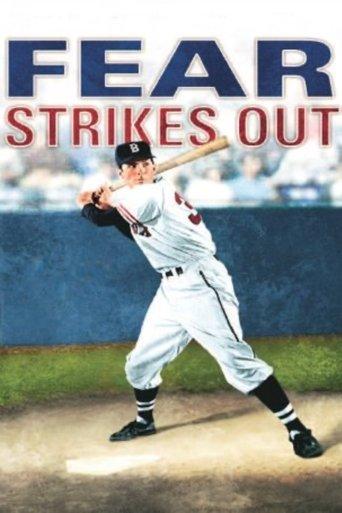
Fear Strikes Out
1957
The sourced concerns are substantially offset by delivered value.
What counts as a cash grab?
Commercial extraction prioritized over meaningful consumer or creative value. Profit, popularity, adaptations, sequels, remakes, high budgets, and normal marketing do not count by themselves.
Why?
Fear Strikes Out is a 1957 Paramount biographical drama adapted from Jimmy Piersall's 1955 memoir, directed by Robert Mulligan and starring Anthony Perkins. Contemporary production reporting records a studio purchase of the book rights and a reported production budget near $924,000. Critics then and now praised the performances and direction, though Jimmy Piersall publicly disowned the movie as a distortion. Sources consulted show no credible evidence of predatory monetization, rushed deceptive release practices, or obvious low-effort reuse.
- Contemporary and modern critics consistently praise the film's performances and direction, supporting meaningful creative value.
- Studio purchased book rights and allocated a standard feature budget, indicating normal production investment rather than minimal-cost reuse.
- No studio marketing, tie-in merchandising, or predatory pricing practices are documented in the consulted sources.
View full breakdownHide full breakdown
- The subject Jimmy Piersall disowned the film for factual distortion, this is a credibility issue but not evidence of commercial exploitation.
Score factors
| Direction | Factor | Evidence | Impact |
|---|---|---|---|
| Against | Critical acclaim and craft | Major review aggregators and contemporary critics praise the film's performances and direction, indicating substantive artistic investment.[2][4][1] | -16 |
| Against | Studio purchase and budget | Contemporary production notes report Paramount paid for the book rights and the film was budgeted around $924,000 including the reported $50,000 rights payment.[5][1] | -14 |
| Against | Adaptation from memoir | The film is a direct adaptation of Jimmy Piersall's 1955 memoir with credited screenwriters, showing it was an original dramatization rather than recycled footage.[3][1] | -12 |
| For | No documented predatory monetization | Searches of studio materials, contemporary coverage, and modern catalog entries show no documentation of aggressive monetization, tie-ins, or predatory pricing tied to the film.[6][2][1] | +8 |
| For | Subject disowned the film | Jimmy Piersall publicly disowned the film upon release, saying it distorted facts about his life.[1][3] | +5 |
Confidence: High · I consulted primary studio pages, archival TCM production reporting, contemporary and modern critical coverage which provide direct facts about rights, budget, production credits, and reception, the main gap is internal studio memos or detailed box office accounting which are not present in these pu · Researched 2026-08-05
Sources reviewed
- [1]www.tcm.com
- [2]www.rottentomatoes.com
- [3]en.wikipedia.org
- [4]www.newyorker.com
- [5]www.tcm.com
- [6]www.paramountpictures.com
- [7]static.rottentomatoes.com
- [8]www.imdb.com
- [9]www.imdb.com
- [10]pro.imdb.com
View 11 more sourcesShow fewer sources
What does the community think?
The AI sees low cash-grab risk. What's your read?
Loading community verdict…