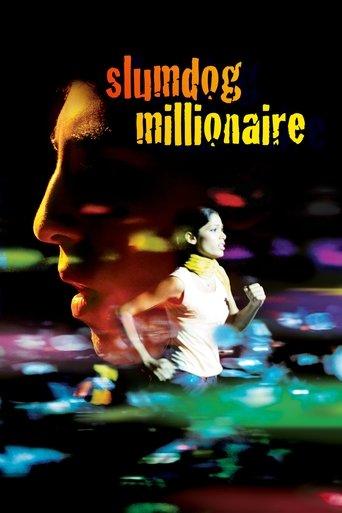
Slumdog Millionaire
2008
The sourced concerns are substantially offset by delivered value.
What counts as a cash grab?
Commercial extraction prioritized over meaningful consumer or creative value. Profit, popularity, adaptations, sequels, remakes, high budgets, and normal marketing do not count by themselves.
Why?
Slumdog Millionaire (2008) attracted sustained criticism from some Indian commentators, activists, and academics who said it profited from images of slum poverty and used an offensive title, but I found no documentary evidence of predatory monetization, deceptive release tactics, or engineered franchising. The film was produced on a modest budget, received widespread critical praise, and won eight Academy Awards and many other prizes, which supports substantial artistic and technical investment rather than a simple low-effort cash grab.
- Indian activists and commentators publicly accused the film of exploiting slum poverty for profit.
- Scholarly critiques argued the film commodified poverty into a feel-good narrative for western audiences.
- The film received major critical acclaim and eight Academy Awards, indicating recognized artistic craft.
View full breakdownHide full breakdown
- There is no documentary evidence of predatory pricing, deceptive release practices, or franchise-style monetization tied to the film.
Score factors
| Direction | Factor | Evidence | Impact |
|---|---|---|---|
| Against | Awards and critical reception | The film won eight Academy Awards and numerous other major prizes and received widespread positive critical reviews, indicating substantial recognized artistic and technical merit.[2][1] | -18 |
| Against | Budget, distribution history, and box office | Produced on a modest budget and initially expected to have limited release, the film was picked up for theatrical distribution and went on to large box office returns, showing commercial success after standard distribution decisions rather than evidence of engineered predatory monetization.[4][3] | -16 |
| For | Protests and accusations in India | Indian activists and public commentators organised protests and publicly accused the film of exploiting slum poverty and using an offensive title for profit.[5][6][7] | +15 |
| For | Scholarly critiques of representation | Academic articles and essays argued the film flattens complex social issues into a feel-good narrative that capitalises on poverty imagery for western audiences.[8][10][9] | +8 |
Confidence: High · Contemporary reporting, academic critiques, and official awards and box office records provide clear, corroborated evidence of both the public accusations of exploitation and the film's recognized production merit; motives remain interpretive rather than documented. · Researched 2026-08-11
Sources reviewed
- [1]en.wikipedia.org
- [2]en.wikipedia.org
- [3]www.the-numbers.com
- [4]hbr.org
- [5]en.wikipedia.org
- [6]www.theguardian.com
- [7]www.socialistparty.org.uk
- [8]www.tandfonline.com
- [9]nectar.northampton.ac.uk
- [10]eprints.lse.ac.uk
View 19 more sourcesShow fewer sources
- [11]www.oscars.org
- [12]www.20thcenturystudios.com
- [13]www.boxofficemojo.com
- [14]www.oscars.org
- [15]www.imdb.com
- [16]en.wikipedia.org
- [17]openurl.ebsco.com
- [18]en.wikipedia.org
- [19]en.wikipedia.org
- [20]lsa.umich.edu
- [21]www.reddit.com
- [22]www.reddit.com
- [23]www.reddit.com
- [24]www.reddit.com
- [25]eprints.ums.ac.id
- [26]www.reddit.com
- [27]www.reddit.com
- [28]www.reddit.com
- [29]www.reddit.com
What does the community think?
The AI sees low cash-grab risk. What's your read?
Loading community verdict…