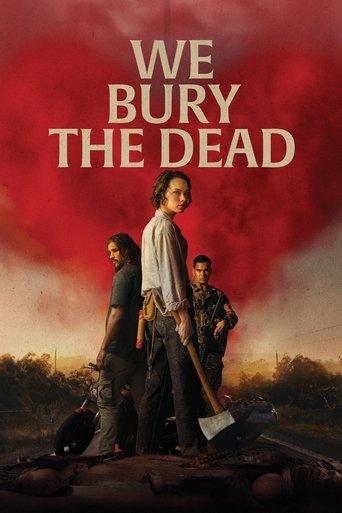
We Bury the Dead
2026
The sourced concerns are substantially offset by delivered value.
What counts as a cash grab?
Commercial extraction prioritized over meaningful consumer or creative value. Profit, popularity, adaptations, sequels, remakes, high budgets, and normal marketing do not count by themselves.
Why?
We Bury the Dead (2026) is a small, festival-backed zombie drama led by Daisy Ridley that premiered at SXSW and received generally positive critical attention for performance, cinematography, and a melancholic approach to reanimation rather than jump scares. I found no credible reporting of predatory monetization, deceptive release practices, or explicit price/value mismatches. coverage emphasizes craft, modest indie financing and limited theatrical/VOD rollout rather than franchise-driven exploitation, though the production budget is not publicly disclosed.
- Multiple mainstream reviews praise the film's craft and deliberate approach rather than market-first tactics.
- Film premiered at festivals and received arts funding signals consistent with creative-first indie production.
- No reporting found of exploitative pricing, heavy microtransaction schemes, or rushed deceptive release.
View full breakdownHide full breakdown
- Budget and exact revenues are undisclosed, leaving some financial opacity but no evidence of monetization abuse.
Score factors
| Direction | Factor | Evidence | Impact |
|---|---|---|---|
| Against | Critical praise for craft | Major outlets describe strong performances, cinematography and a contemplative approach to the zombie premise rather than obvious franchise exploitation.[2][1] | -16 |
| For | No reported exploitative monetization | I found no credible reporting of predatory monetization methods such as paywalls, microtransactions, or excessive DLC style tie-ins for this film.[1][2] | +15 |
| Against | Festival premiere and public funding | Coverage notes the film premiered at SXSW and was partly funded by the Adelaide Film Festival, consistent with indie creative backing rather than pure commercial extraction.[3] | -14 |
| For | No reports of deceptive release or rushed rollout | Coverage and reviews indicate a January 2026 limited theatrical release and festival run, with no reporting of a deceptive or surprise cash-in release strategy.[3][1] | +9 |
| Against | Undisclosed production budget | Public sources note the production budget has not been officially disclosed, leaving some opacity about financial incentives but not implying exploitation.[4] | -6 |
Confidence: High · Multiple independent reviews and festival/funding reporting consistently emphasize craft and indie distribution, there are no credible sources showing exploitative monetization, the main gap is the absence of an official disclosed budget which does not itself indicate a cash grab. · Researched 2026-10-01
Sources reviewed
- [1]www.thewrap.com
- [2]www.rogerebert.com
- [3]www.theguardian.com
- [4]saturation.io
- [5]www.tomsguide.com
- [6]en.wikipedia.org
- [7]www.pluggedin.com
- [8]www.nerdly.co.uk
- [9]www.fearforever.com
- [10]keithandthemovies.com
View 8 more sourcesShow fewer sources
What does the community think?
The AI sees low cash-grab risk. What's your read?
Loading community verdict…