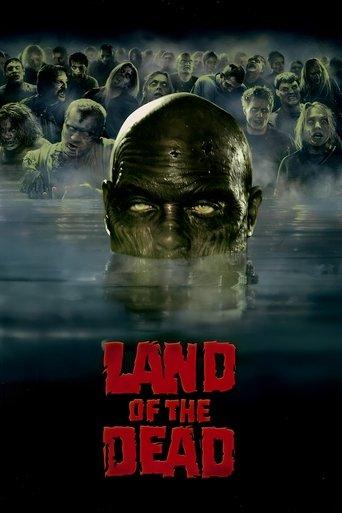
Land of the Dead
2005
The sourced concerns are substantially offset by delivered value.
What counts as a cash grab?
Commercial extraction prioritized over meaningful consumer or creative value. Profit, popularity, adaptations, sequels, remakes, high budgets, and normal marketing do not count by themselves.
Why?
Land of the Dead (2005) was written and directed by George A. Romero as a higher budget studio zombie entry, with reporting and interviews showing Romero negotiated for and used a substantially larger budget and studio resources while keeping his social themes. I found no credible evidence of predatory monetization, deceptive release practices, or price gouging, reviews and production accounts emphasize substantial special effects, expanded scale, and Romero creative intent rather than obvious exploitation of the brand alone.
- Romero and press describe Land of the Dead as Romero’s largest, studio-funded production with a substantially higher budget.
- Contemporary reviews treat the film as a substantial creative entry with significant effects, not a low-effort reuse.
- I found no credible reporting of predatory monetization, deceptive release windows, or exploitative pricing tied to this title.
View full breakdownHide full breakdown
- Interviews indicate Romero intentionally expanded scope and production values, supporting substantive new content and craft.
Score factors
| Direction | Factor | Evidence | Impact |
|---|---|---|---|
| Against | Higher budget studio production | Romero negotiated and accepted a significantly larger studio budget for Land of the Dead, making it his most expensive Dead-era film.[1][4] | -18 |
| For | No evidence of exploitative monetization | Searches of production reporting, interviews, and reviews revealed no credible allegations of predatory monetization, deceptive pricing, or exploitative release tactics for this film.[1][2] | +18 |
| Against | Contemporary critical reception | Major reviews recognized the film's thematic ambitions, gore and effects, treating it as a substantive creative work rather than a lazy franchise cash-in.[2][3] | -15 |
| Against | Notable effects work and scale | Press coverage and production notes emphasize extensive special effects, large action sequences, and use of union actors, indicating substantive production effort.[3][1] | -13 |
| Against | Director statements on scope and craft | Romero described Land of the Dead as a bigger, more extravagant production and discussed his creative goals and use of higher production values in multiple interviews.[6][5] | -8 |
Confidence: High · Contemporary reviews, multiple interviews with Romero, and production reporting provide direct, reliable evidence about budget, creative intent, and lack of exploitative monetization; gaps include absence of internal studio memos or financial contracts but the public record is strong. · Researched 2026-10-13
Sources reviewed
- [1]en.wikipedia.org
- [2]www.rogerebert.com
- [3]www.latimes.com
- [4]www.washingtonpost.com
- [5]www.rogerebert.com
- [6]www.dreadcentral.com
- [7]www.rottentomatoes.com
- [8]editorial.rottentomatoes.com
- [9]movies.radiofree.com
- [10]editorial.rottentomatoes.com
View 14 more sourcesShow fewer sources
- [11]editorial.rottentomatoes.com
- [12]www.bfi.org.uk
- [13]editorial.rottentomatoes.com
- [14]en.wikipedia.org
- [15]en.wikipedia.org
- [16]files01.core.ac.uk
- [17]es.wikipedia.org
- [18]www.monstrula.de
- [19]en.wikipedia.org
- [20]en.wikipedia.org
- [21]scholarwolf.unr.edu
- [22]archives.nd.edu
- [23]s3.amazonaws.com
- [24]www.reddit.com
What does the community think?
The AI sees low cash-grab risk. What's your read?
Loading community verdict…