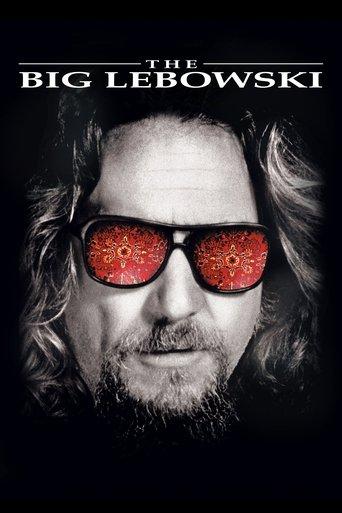
The Big Lebowski
1998
The sourced concerns are substantially offset by delivered value.
What counts as a cash grab?
Commercial extraction prioritized over meaningful consumer or creative value. Profit, popularity, adaptations, sequels, remakes, high budgets, and normal marketing do not count by themselves.
Why?
The Big Lebowski (1998) shows strong signs of being a creative film rather than a commercial extraction, it was written and directed by Joel and Ethan Coen with high-profile collaborators including cinematographer Roger Deakins and production designer Rick Heinrichs, it premiered at Sundance on January 18, 1998 and received contemporary critical attention, and while fan-driven festivals and merchandise developed later there is no credible reporting that the film was produced or released as a predatory monetization scheme.
- No credible reporting found that the film was produced or released with predatory monetization or rushed/deceptive release practices.
- The film is an original screenplay by the Coen brothers with distinctive directorial and technical credits, indicating substantive new content and production craft.
- Contemporary reviews and retrospectives treat the film as artistic and idiosyncratic rather than an engineered franchise cash grab.
View full breakdownHide full breakdown
- Fan events and secondary merchandise exist, but sources show these grew from cult fandom rather than studio-led exploitative campaigns.
Score factors
| Direction | Factor | Evidence | Impact |
|---|---|---|---|
| Against | Original screenplay by Coen brothers | The film is an original screenplay credited to Joel and Ethan Coen, indicating it was not assembled from low-effort reused source material or preexisting franchise IP.[1][2] | -18 |
| Against | Notable production collaborators | Credits and museum materials list Roger Deakins as cinematographer and Rick Heinrichs as production designer, showing substantial technical and craft investment in the production.[3][1] | -17 |
| Against | Home releases with extras | Home formats and DVD releases included extras such as trailers and making-of material, indicating a consumer-oriented product rather than a deliberately stripped or deceptive release.[1] | -9 |
| Against | Critical recognition and stylistic risk | Contemporary reviews described the film as idiosyncratic and stylistically risky rather than a formulaic product, for example Roger Ebert emphasized its distinctive attitude and filmmaking choices in his 1998 review.[4] | -8 |
| For | Fan-driven merchandise and festivals exist | A long-running fan phenomenon including Lebowski Fest and secondary merchandise developed after release, showing commercial activity around the film but arising from cult fandom rather than documented studio predation.[5][6] | +5 |
| For | No reported predatory monetization | Searching production reporting and contemporary reviews turned up no credible evidence of predatory pricing, deceptive release practices, or studio statements framing the film as an extraction-focused product.[4][1] | +4 |
Confidence: High · Coverage includes primary production credits, contemporary critical reviews, and documented fan/merchandise activity; there are no credible sources indicating predatory monetization or rushed release, however the search set was narrow and focused on mainstream reporting and archival materials. · Researched 2026-07-31
Sources reviewed
- [1]en.wikipedia.org
- [2]books.google.com
- [3]press.moma.org
- [4]www.rogerebert.com
- [5]en.wikipedia.org
- [6]content.propstore.com
- [7]www.rogerebert.com
- [8]www.rogerebert.com
- [9]time.com
- [10]www.rogerebert.com
View 20 more sourcesShow fewer sources
- [11]thenewyorktimeshelpcenter.helpjuice.com
- [12]mrqe.com
- [13]vi.web-platforms-vi.nyti.nyt.net
- [14]www.degruyterbrill.com
- [15]www.metacritic.com
- [16]www.denofgeek.com
- [17]en.wikipedia.org
- [18]api.pageplace.de
- [19]www.reddit.com
- [20]www.reddit.com
- [21]fr.wikipedia.org
- [22]www.reddit.com
- [23]citeseerx.ist.psu.edu
- [24]www.reddit.com
- [25]www.reddit.com
- [26]www.reddit.com
- [27]www.reddit.com
- [28]en.wikipedia.org
- [29]es.wikipedia.org
- [30]www.reddit.com
What does the community think?
The AI sees low cash-grab risk. What's your read?
Loading community verdict…