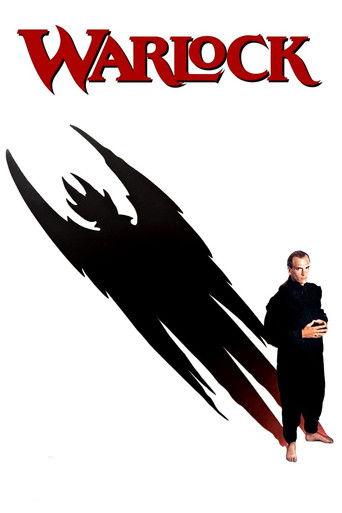
Warlock
1989
The sourced concerns are substantially offset by delivered value.
What counts as a cash grab?
Commercial extraction prioritized over meaningful consumer or creative value. Profit, popularity, adaptations, sequels, remakes, high budgets, and normal marketing do not count by themselves.
Why?
Warlock (1989) is a genre horror film directed by Steve Miner, written by David Twohy, and starring Julian Sands and Lori Singer. Contemporary sources report mixed reviews, modest box office returns around $9 million, and a later direct-to-video sequel and novelization tie-ins. I found no documentary evidence of predatory monetization, deceptive release practices, or explicit rushed publishing intended to extract consumer dollars beyond normal studio distribution and tie-in merchandising common for genre films of the period.
- Box office was modest and theatrical distribution was limited, but not shown to be manipulative.
- The film spawned a novelization and sequels, indicating commercial exploitation but not necessarily predatory practices.
- Contemporary critical coverage noted mixed quality, with some positive reviews praising imagination and craft.
View full breakdownHide full breakdown
- No credible sources describe invasive monetization, deceptive pricing, or rushed release to extract consumers.
Score factors
| Direction | Factor | Evidence | Impact |
|---|---|---|---|
| Against | Modest box office | Box Office reporting lists domestic gross near $8.8-9.1 million against contemporaneous reporting of a roughly $7 million budget, showing modest commercial performance but not evidence of exploitative pricing.[1][2] | -9 |
| For | Limited and delayed distribution reporting | AFI production notes and industry reporting record distribution complications and a limited regional opening rather than a wide, front-loaded exploitative release.[3] | +8 |
| Against | Experienced creative team and cast | The film was written by David Twohy, directed by Steve Miner, and featured Julian Sands and Lori Singer, showing investment in known creative personnel rather than anonymous low-effort reuse.[4] | -6 |
Confidence: Medium · Sources provide reliable box office, production and review evidence but do not include studio internal memos or contemporaneous accounting, leaving gaps on intent and detailed monetization practices. · Researched 2026-10-02
Sources reviewed
- [1]www.boxofficemojo.com
- [2]www.the-numbers.com
- [3]catalog.afi.com
- [4]www.rottentomatoes.com
- [5]en.wikipedia.org
- [6]www.imdb.com
- [7]www.rottentomatoes.com
- [8]filmdb.co.uk
- [9]ipfs.basearchive.ai
- [10]www.netflixmovies.com
View 10 more sourcesShow fewer sources
- [11]pages.cs.wisc.edu
- [12]wiki.thechonk.zone
- [13]www.imdb.com
- [14]en.wikipedia.org
- [15]en.wikipedia.org
- [16]www.reddit.com
- [17]ru.wikipedia.org
- [18]en.wikipedia.org
- [19]en.wikipedia.org
- [20]www.reddit.com
What does the community think?
The AI sees low cash-grab risk. What's your read?
Loading community verdict…