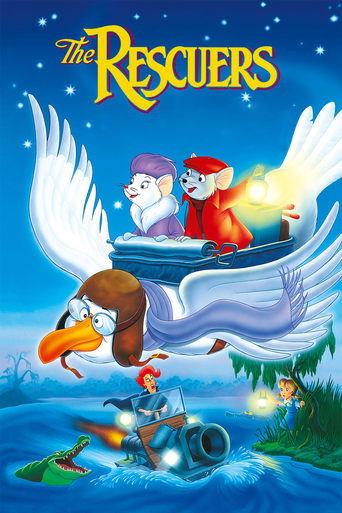
The Rescuers
1977
The sourced concerns are substantially offset by delivered value.
What counts as a cash grab?
Commercial extraction prioritized over meaningful consumer or creative value. Profit, popularity, adaptations, sequels, remakes, high budgets, and normal marketing do not count by themselves.
Why?
The Rescuers (1977) is a Walt Disney animated feature produced and released June 22, 1977, that received generally positive reviews and strong box office returns, it was developed from Margery Sharp stories and involved significant in-studio production work including the Xerox animation process and contributions from Disney artists and new talent, and there is no contemporaneous evidence of predatory monetization, deceptive release practices, or intentional low-effort reuse intended to exploit the brand.
- Contemporaneous coverage and studio sources describe normal multi-year development and studio production efforts.
- Box office and critical reception indicate commercial and creative success rather than rushed exploitation.
- The film adapted source material and introduced substantial new animated content and character work.
View full breakdownHide full breakdown
- No sourced evidence found of predatory monetization, deceptive release tactics, or price/value mismatch.
Score factors
| Direction | Factor | Evidence | Impact |
|---|---|---|---|
| Against | Production craft | Studio and archival sources describe multi-year development, use of the Xerox process, and substantial in-house animation work by Disney artists and recent graduates.[1][3][2] | -18 |
| Against | Substantive new content | The film is an adaptation of Margery Sharp stories but presents original screenplay material and new characters and sequences created for the feature.[1][2] | -14 |
| Against | Commercial reception | Box office records show The Rescuers earned substantial theatrical revenue in 1977, becoming one of Disney's highest grossing animated features of its era.[5][4] | -11 |
| For | No low-effort reuse evidence | Contemporary sources and studio histories describe original animation production rather than direct reuse of earlier films or recycled feature-length content.[3][1] | +9 |
| For | No predatory monetization found | Searches of studio materials, box office records, and contemporary reporting reveal no evidence of predatory monetization, paywalls, exploitative tie-ins, or deceptive release practices for the 1977 theatrical release.[6][4] | +8 |
| Against | Critical reception | Contemporary and retrospective reviews aggregated on critic sites and archives note generally positive reception and praise for animation and character work.[7] | -6 |
Confidence: High · Multiple reputable studio, archival, box office, and review sources directly document production, reception, and release and no sourced evidence was found indicating exploitative monetization or rushed/deceptive release practices. · Researched 2026-11-01
Sources reviewed
- [1]d23.com
- [2]en.wikipedia.org
- [3]catalog.afi.com
- [4]www.boxofficemojo.com
- [5]www.the-numbers.com
- [6]movies.disney.com
- [7]www.rottentomatoes.com
- [8]disneyanimation.com
- [9]www.metacritic.com
- [10]www.disneyplus.com
View 14 more sourcesShow fewer sources
- [11]www.disneyanimation.com
- [12]moviesranking.com
- [13]disneylandrecords.com
- [14]www.boxofficemojo.com
- [15]dkaarchives.org
- [16]www.worldradiohistory.com
- [17]fgbradleys.com
- [18]scispace.com
- [19]public-content.library.mcgill.ca
- [20]en.wikipedia.org
- [21]en.wikipedia.org
- [22]en.wikipedia.org
- [23]en.wikipedia.org
- [24]en.wikipedia.org
What does the community think?
The AI sees low cash-grab risk. What's your read?
Loading community verdict…