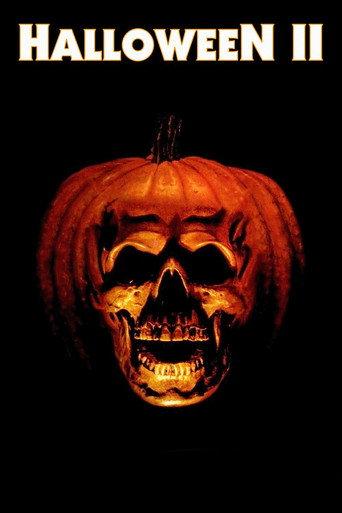
Halloween II
1981
The sourced concerns are substantially offset by delivered value.
What counts as a cash grab?
Commercial extraction prioritized over meaningful consumer or creative value. Profit, popularity, adaptations, sequels, remakes, high budgets, and normal marketing do not count by themselves.
Why?
Halloween II (1981) was produced quickly after the success of John Carpenter's Halloween and shows multiple contemporaneous signals of commercial prioritization, including producer-driven sequel rights arrangements and authorial admissions that key story choices were adopted because writers felt there was little story left. At the same time the film involved original creators Carpenter and Debra Hill in writing and post production, used much of the original crew, and delivered a commercially successful, gore-escalated follow up that added new sequences and effects for theatrical audiences.
- Primary creators admitted the sister-twist and aspects of the script arose from joining a sequel rather than organic story development.
- Producer and rights reporting shows sequel production was pushed as a follow-up commercial opportunity.
- Contemporary production notes and Carpenter statements document added gore and post-production changes to increase marketability.
View full breakdownHide full breakdown
- Mitigatingly the original writers and many crew returned, and the film produced new sets, effects, and a strong box office performance.
Score factors
| Direction | Factor | Evidence | Impact |
|---|---|---|---|
| Against | New locations, sequences, and effects | Sources document new hospital locations, additional murder sequences and practical effects were created for Halloween II, representing substantive new production work beyond simple reuse.[2][1] | -11 |
| For | Producer-driven sequel rights and push | Contemporary production reporting indicates Irwin Yablans arranged sequel production rights and moved to produce Halloween II as the original prepared wider release, showing a producer-led commercial follow-up.[3] | +10 |
| Against | Commercial success and audience demand | Box office reporting shows Halloween II was a commercial hit, becoming one of 1981's highest grossing horror films, indicating clear consumer demand for the sequel.[4] | -9 |
Confidence: High · Contemporaneous production reporting, creator quotes and box office records provide direct evidence for both commercial motivations and mitigating production work, though some primary print interviews referenced are summarized rather than individually retrieved here. · Researched 2026-09-07
Sources reviewed
- [1]halloweenmovies.com
- [2]www.fast-rewind.com
- [3]catalog.afi.com
- [4]www.the-numbers.com
- [5]en.wikipedia.org
- [6]en.wikipedia.org
- [7]horror.fandom.com
- [8]halloweenmovies.com
- [9]halloweenmovie.fandom.com
- [10]www.horror.com
View 10 more sourcesShow fewer sources
What does the community think?
The AI sees low cash-grab risk. What's your read?
Loading community verdict…