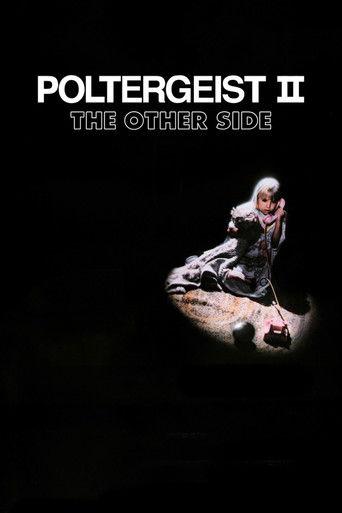
Poltergeist II: The Other Side
1986
The sourced concerns are substantially offset by delivered value.
What counts as a cash grab?
Commercial extraction prioritized over meaningful consumer or creative value. Profit, popularity, adaptations, sequels, remakes, high budgets, and normal marketing do not count by themselves.
Why?
Poltergeist II: The Other Side (1986) presents mixed evidence on being a cash grab. Contemporary critics described it as derivative and largely special-effects driven, implying limited creative gain from the franchise. At the same time trade and production sources document substantial visual effects work and a reported $18-19 million budget with a roughly $41 million domestic gross, and press materials emphasize new effects and score. I found no credible reporting of predatory pricing, deceptive release tactics, or explicit studio statements that the sequel was produced solely to exploit the brand.
- Major contemporary reviews call the film derivative and primarily effects-driven, indicating low creative value.
- Production records and interviews document substantial VFX costs and supervision by Boss Film Co, indicating significant production investment.
- Box office and distribution records show a wide opening and a modest profit, consistent with a commercially oriented sequel but not proof of predatory extraction.
View full breakdownHide full breakdown
- No sourced reporting was found alleging deceptive release practices, predatory monetization, or exploitative tie-ins.
Score factors
| Direction | Factor | Evidence | Impact |
|---|---|---|---|
| For | Critical complaints of derivativeness | Contemporary mainstream reviews described Poltergeist II as derivative and a 'string of special effects' with an unsatisfying story.[1][3] | +18 |
| Against | Substantial visual effects spending | Production records and trade reporting estimated VFX costs in the $10-12 million range and credit Boss Film Company and Richard Edlund with major effects work.[2][4] | -15 |
| Against | Budget and box office performance | Reported production budget is about $18-19 million and domestic gross was approximately $40.99 million, indicating the film recouped its budget and earned a modest commercial return.[1][5] | -8 |
| For | Wide theatrical opening | Trade reporting and production notes record a planned wide opening, roughly 1,500 to 1,596 screens, showing a substantial commercial distribution push.[2][5] | +6 |
Confidence: Medium · Sources include contemporary reviews, AFI catalog entries, trade box-office records, and press materials which give solid evidence on production and reception, but no investigative reporting explicitly framing the film as a deliberate cash grab was found. · Researched 2026-09-27
Sources reviewed
- [1]en.wikipedia.org
- [2]catalog.afi.com
- [3]www.latimes.com
- [4]qwipster.net
- [5]www.the-numbers.com
- [6]www.rottentomatoes.com
- [7]www.boxofficemojo.com
- [8]filmdb.co.uk
- [9]poltergeistii.poltergeistiii.com
- [10]en.wikipedia.org
View 8 more sourcesShow fewer sources
What does the community think?
The AI sees low cash-grab risk. What's your read?
Loading community verdict…