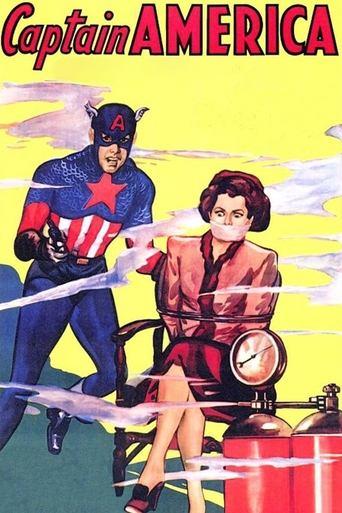
Captain America
1944
The sourced concerns are substantially offset by delivered value.
What counts as a cash grab?
Commercial extraction prioritized over meaningful consumer or creative value. Profit, popularity, adaptations, sequels, remakes, high budgets, and normal marketing do not count by themselves.
Why?
The 1944 Republic Pictures Captain America serial is a loose Timely Comics adaptation in which the hero is a district attorney using a gun rather than the comic book Steve Rogers persona. Contemporary sources and later histories record Timely/Marvel complaints about changes, and Republic saying reshoots would be too expensive, while production records show it was an expensive, overbudget Republic serial for its type, suggesting both brand exploitation and substantial production effort.
- Republic substantially changed the comic character and Timely complained about the differences.
- Republic stated the serial was too far into production to make costly reshoots requested by Timely.
- Production records describe the serial as among Republic’s most expensive and overbudget projects.
View full breakdownHide full breakdown
- The adaptation added significant original plotting and serial-style production work rather than direct reuse of comic sequences.
Score factors
| Direction | Factor | Evidence | Impact |
|---|---|---|---|
| Against | Costly production for a serial | Sources report Captain America was one of Republic’s most expensive serials, with a nearly $223,000 cost and notable overbudget shooting, indicating substantial production investment.[2][1] | -15 |
| For | Character changes after licensing | Timely (Marvel) objected that the onscreen Captain America differed from the comic, including identity and weapons, and Republic noted the serial was too far into production to revert changes.[1] | +12 |
| Against | Original serial storytelling | The serial presents an original serial-plotline with the Scarab, a sound-vibration weapon, and a different protagonist identity, showing substantial new plotting rather than direct comic-plate reuse.[1] | -10 |
| For | Production refusal to reshoot | Republic responded that sample pages did not indicate key character details and that returning to the original concept would require expensive retakes and dubbing late in production.[1] | +9 |
| For | No evidence of predatory monetization | I found no contemporaneous evidence of predatory pricing, deceptive marketing claims about content, or later monetization schemes tied to this serial.[1] | +8 |
Confidence: High · Multiple reputable histories and primary production summaries document the character changes, Republic’s refusal to reshoot, and the serial’s relatively high cost, while no sources indicate predatory monetization practices. · Researched 2026-11-05
Sources reviewed
- [1]en.wikipedia.org
- [2]comicvine.gamespot.com
- [3]www.marvel.com
- [4]tile.loc.gov
- [5]www.imdb.com
- [6]upload.wikimedia.org
- [7]marvel.fandom.com
- [8]comics2film.com
- [9]zamm.com
- [10]cartoonwiki.toonsmag.org
View 15 more sourcesShow fewer sources
- [11]thetvdb.com
- [12]magazines.lddb.com
- [13]www.moviefone.com
- [14]custcareportal.kobo.com
- [15]newikis.com
- [16]movieposters.ha.com
- [17]images2.bonhams.com
- [18]en.wikipedia.org
- [19]en.wikipedia.org
- [20]en.wikipedia.org
- [21]www.unicron.com
- [22]onespect.com
- [23]en.wikipedia.org
- [24]en.wikipedia.org
- [25]www.reddit.com
What does the community think?
The AI sees low cash-grab risk. What's your read?
Loading community verdict…