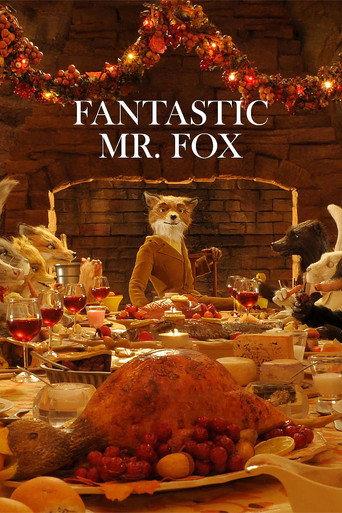
Fantastic Mr. Fox
2009
The sourced concerns are substantially offset by delivered value.
What counts as a cash grab?
Commercial extraction prioritized over meaningful consumer or creative value. Profit, popularity, adaptations, sequels, remakes, high budgets, and normal marketing do not count by themselves.
Why?
Fantastic Mr. Fox (2009) shows substantial, widely documented craft and creative investment rather than signs of predatory exploitation. Reporting and reviews emphasize Wes Anderson's first stop-motion feature, painstaking puppet and set work, and a screenplay co-written with Noah Baumbach that expands Roald Dahl's short book into a distinctive, character-driven film. Critics and longform pieces focus on artistic choices and technical risk, and I found no credible reporting that the film was released or marketed with deceptive pricing, rushed distribution, or predatory monetization practices.
- Multiple major outlets document painstaking, old-school stop-motion production and artistic intent.
- Screenplay expansion and auteur direction are cited as substantive new creative content.
- Contemporary reviews and coverage treat the film as an artistic project, it garnered awards attention.
View full breakdownHide full breakdown
- Searches and reporting reviewed show no credible evidence of predatory monetization, rushed release, or deceptive pricing.
Score factors
| Direction | Factor | Evidence | Impact |
|---|---|---|---|
| Against | Stop-motion craftsmanship | Contemporary reporting describes painstaking, old-school stop-motion production and detailed model work under Wes Anderson's direction.[1][2][4] | -18 |
| Against | Expanded adaptation and screenplay | The film was co-written by Wes Anderson and Noah Baumbach and is described as fleshing out Roald Dahl's short book into a longer, author-driven feature.[3] | -15 |
| Against | Critical reception and awards attention | Reviews and cultural pieces treat the film as a creative success and it received awards recognition rather than being discussed as a low-value product.[5] | -9 |
| Against | Director's first stop-motion and design choices | Coverage notes Anderson's relative inexperience with stop-motion and his deliberate rejection of some modern animation shortcuts, indicating technical and artistic risk in production.[6][1] | -8 |
| For | No evidence of predatory monetization | Searches of contemporary production reporting and reviews revealed no credible reporting of predatory monetization, exploitative tie-in practices, or deceptive pricing related to the film.[2][1][3] | +8 |
| For | No sign of rushed or deceptive release | Contemporary coverage and release records present a standard festival and theatrical rollout in 2009 with no reporting of a rushed or deceptive release strategy.[2] | +4 |
Confidence: High · Evidence is drawn from multiple reputable contemporary reports and longform pieces focused on production and reception, and I found no credible sources alleging exploitative monetization or rushed release, though secondary merchandising specifics were not a focus of the reviewed coverage. · Researched 2026-09-30
Sources reviewed
- [1]www.newyorker.com
- [2]www.latimes.com
- [3]www.theguardian.com
- [4]metrograph.com
- [5]www.vanityfair.com
- [6]www.latimes.com
- [7]editorial.rottentomatoes.com
- [8]www.latimes.com
- [9]www.latimes.com
- [10]editorial.rottentomatoes.com
View 12 more sourcesShow fewer sources
What does the community think?
The AI sees low cash-grab risk. What's your read?
Loading community verdict…