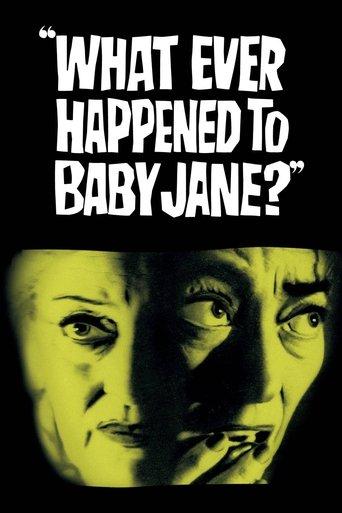
What Ever Happened to Baby Jane?
1962
The sourced concerns are substantially offset by delivered value.
What counts as a cash grab?
Commercial extraction prioritized over meaningful consumer or creative value. Profit, popularity, adaptations, sequels, remakes, high budgets, and normal marketing do not count by themselves.
Why?
What Ever Happened to Baby Jane? (1962) shows commercial ambition but not clear evidence of being a cash grab. Contemporary reporting and studio records emphasize rapid recoupment and profit participation for the leads, and marketing leaned on the alleged Davis Crawford rivalry. At the same time the film was a deliberate adaptation with notable production design, black and white cinematography, major award nominations, and enduring critical interest, all of which point to substantial creative investment rather than a merely exploitative product.
- No credible evidence found of predatory monetization, deceptive release practices, or low-effort reuse.
- Contemporary marketing emphasized the Bette Davis Joan Crawford rivalry to sell the picture.
- Studio records and reporting show rapid recoupment and profit-sharing for the stars, indicating strong commercial success.
View full breakdownHide full breakdown
- Significant production craft, black-and-white cinematography, and multiple Academy Award nominations argue against a low-effort cash grab.
Score factors
| Direction | Factor | Evidence | Impact |
|---|---|---|---|
| Against | Recognized production craft | The film received five Academy Award nominations and won Best Costume Design, demonstrating industry recognition of its craft.[3] | -18 |
| Against | Deliberate adaptation and set design | Aldrich acquired and commissioned the adaptation from Henry Farrell, and production materials and criticism highlight the central mansion set and deliberate design choices rather than low-effort reuse.[2][1] | -16 |
| For | Rapid recoupment and star profit shares | AFI and contemporary trade reporting note Seven Arts recovered production costs within the first eleven days and stars received profit participation that produced large payouts.[1] | +15 |
| For | Marketing exploited star rivalry | Contemporary publicity and later accounts show the film was promoted heavily by emphasizing the alleged on-set and off-screen feud between Bette Davis and Joan Crawford.[6][2] | +11 |
| Against | No evidence of predatory or deceptive release | Search of contemporary reviews and production histories reveals no credible reporting of deceptive release tactics, predatory monetization, or deliberate consumer exploitation.[4][5] | -8 |
| Against | Aesthetic and technical risk | The director's choice of black-and-white photography in 1962 and the film's claustrophobic cinematography are cited by critics as deliberate artistic risks shaping tone.[4][5] | -8 |
Confidence: High · Multiple authoritative sources including AFI TCM Roger Ebert and Vanity Fair provide direct production and commercial details, there is strong documentation of marketing emphasis and financial recoupment, and no credible sources alleging predatory monetization were found. · Researched 2026-09-07
Sources reviewed
- [1]www.tcm.com
- [2]www.tcm.com
- [3]www.imdb.com
- [4]www.rogerebert.com
- [5]www.tcm.com
- [6]www.vanityfair.com
- [7]en.wikipedia.org
- [8]www.rottentomatoes.com
- [9]www.theguardian.com
- [10]www.siskelfilmcenter.org
View 8 more sourcesShow fewer sources
What does the community think?
The AI sees low cash-grab risk. What's your read?
Loading community verdict…