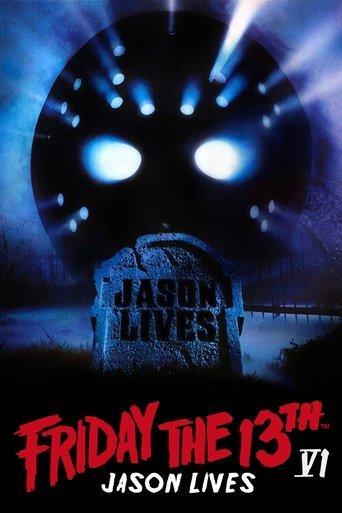
Jason Lives - Friday the 13th Part VI
1986
The sourced concerns are substantially offset by delivered value.
What counts as a cash grab?
Commercial extraction prioritized over meaningful consumer or creative value. Profit, popularity, adaptations, sequels, remakes, high budgets, and normal marketing do not count by themselves.
Why?
Friday the 13th Part VI: Jason Lives (1986) was developed as a studio-backed revival of a proven franchise, with producers and Paramount choosing to resurrect Jason because the series remained commercially viable. Production records and retrospective interviews show a relatively larger budget, a deliberate tonal shift under writer-director Tom McLoughlin, and multiple versions of violent sequences filmed for different ratings or future releases. Contemporary box office and later critical reassessment indicate the film delivered noticeable creative changes alongside clear commercial calculation.
- Paramount and producers reinstated Jason expressly because the franchise remained profitable, evidence of commercial priority.
- Production deliberately filmed multiple gore versions of scenes, preserving graphic footage for future releases.
- The film had the largest budget in the series to date and director-led tonal changes, showing genuine investment in craft.
View full breakdownHide full breakdown
- Contemporary and retrospective coverage treat the movie as a creative reinvigoration rather than a bare minimum cash-in.
Score factors
| Direction | Factor | Evidence | Impact |
|---|---|---|---|
| For | Multiple gore cuts filmed | The production shot X-rated, R-rated and PG versions of death scenes so graphic footage would exist for possible future releases.[1] | +18 |
| Against | Above-average budget and production values | Part VI received a $3 million budget, the largest in the series at that time, and production notes describe intentional upgrades to the film's visual style.[1][2] | -15 |
| For | Studio revival motivated by profitability | Contemporaneous retrospective reporting and production notes state Paramount and producer Frank Mancuso Jr. pursued bringing Jason back because the franchise remained a viable and profitable property.[1] | +12 |
| Against | Director-led tonal shift and creative choices | Director Tom McLoughlin deliberately shifted tone toward humor and homage to classic monster films and removed nudity to change the franchise's image.[4][3] | -12 |
| Against | Critical and fan reassessment highlights creative value | Retrospectives and interviews characterize Jason Lives as reinvigorating the franchise and providing a consumer-friendly, creatively distinct entry.[5][1] | -8 |
Confidence: High · Published production notes, director interviews and contemporary retrospectives provide direct evidence of both studio commercial motives and substantial creative investment, though internal studio financial directives are not publicly available. · Researched 2026-08-30
Sources reviewed
- [1]fridaythe13thfilms.com
- [2]catalog.afi.com
- [3]en.wikipedia.org
- [4]nofilmschool.com
- [5]dailydead.com
- [6]www.scribd.com
- [7]www.paramountpictures.com
- [8]www.imdb.com
- [9]catalog.afi.com
- [10]www.youtube.com
View 11 more sourcesShow fewer sources
What does the community think?
The AI sees low cash-grab risk. What's your read?
Loading community verdict…