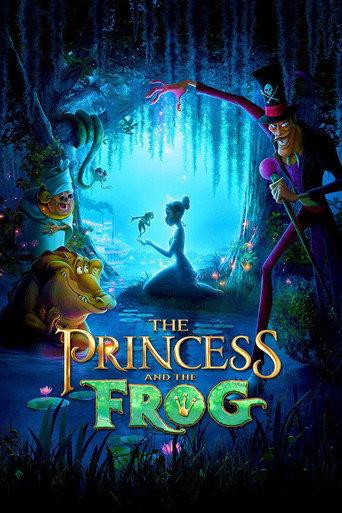
The Princess and the Frog
2009
The sourced concerns are substantially offset by delivered value.
What counts as a cash grab?
Commercial extraction prioritized over meaningful consumer or creative value. Profit, popularity, adaptations, sequels, remakes, high budgets, and normal marketing do not count by themselves.
Why?
The Princess and the Frog (2009) was a deliberate creative return to traditional hand-drawn Disney animation directed by Ron Clements and John Musker, it earned positive critical notice and three Academy Award nominations while grossing roughly $271 million worldwide, and it drove substantial pre-release merchandise sales. Studio leaders later acknowledged a marketing misstep around the word "princess" and adjusted future marketing strategies. Searches of production reporting, reviews, box-office records, and licensing disclosures show strong artistic investment and heavy commercialization, but no credible evidence of predatory monetization, rushed release, or low-effort reuse.
- Marked return to hand-drawn animation with senior directors and visible craft investment, documented in press coverage and internal accounts.
- Positive critical reception and three Academy Award nominations indicate substantive creative value.
- Significant pre-release merchandise demand and reported doll sales show a heavy commercial licensing push.
View full breakdownHide full breakdown
- Studio executives publicly admitted a marketing/title mistake, prompting marketing and title strategy changes for subsequent releases.
- No credible reporting found alleging predatory monetization, deceptive release timing, or that the film recycled content as a low-effort product.
Score factors
| Direction | Factor | Evidence | Impact |
|---|---|---|---|
| Against | Return to hand-drawn craft | The film was produced as Disney's return to traditional hand-drawn animation under veteran directors Ron Clements and John Musker with deliberate studio investment and production effort.[1][2] | -18 |
| Against | Critical praise and awards recognition | Contemporary reviews praised the film's animation and music, and it received three Academy Award nominations including Best Animated Feature and two Best Original Song nominations.[3][4] | -16 |
| For | Heavy merchandising and licensing activity | Retail and industry reports documented substantial pre-release merchandising demand for Princess Tiana items, for example reporting more than 45,000 dolls sold in under a month and related product sellouts.[5][6][7] | +15 |
| For | Studio acknowledged marketing/title error | Senior studio leaders later admitted marketing misjudged use of 'princess' in the title, and Disney altered marketing and the title strategy for the next animated release to broaden audience appeal.[1][8] | +11 |
| Against | No evidence of predatory monetization or rushed release | Independent reporting, reviews, box-office records, and studio commentary contain no credible allegations that the production used predatory pricing, rushed/deceptive release tactics, or relied on low-effort reuse to exploit the brand.[9][2][3] | -8 |
Confidence: High · The conclusion is based on primary studio accounts, mainstream press reviews, box-office records, and merchandising reports; coverage is substantial and direct but does not include any credible sources alleging predatory monetization or deliberate low-effort exploitation. · Researched 2026-07-23
Sources reviewed
- [1]studio.eecs.umich.edu
- [2]www.latimes.com
- [3]www.rogerebert.com
- [4]www.oscars.org
- [5]www.thewrap.com
- [6]wdccduckman.blogspot.com
- [7]www.sec.gov
- [8]www.latimes.com
- [9]www.boxofficemojo.com
- [10]en.wikipedia.org
View 196 more sourcesShow fewer sources
- [11]everything.explained.today
- [12]jhmovie.fandom.com
- [13]dvdizzy.com
- [14]dvdizzy.com
- [15]www.scribd.com
- [16]heykidscomics.fandom.com
- [17]en-academic.com
- [18]dokumen.pub
- [19]frozen.fandom.com
- [20]www.wikizero.org
- [21]jhmovie.fandom.com
- [22]jhwikicollection-20.fandom.com
- [23]en.wikipedia.org
- [24]en.wikipedia.org
- [25]hpfwater.com
- [26]en.wikipedia.org
- [27]lhdrum.com
- [28]www.researchgate.net
- [29]www.scribd.com
- [30]pdfcoffee.com
- [31]acris.aalto.fi
- [32]benprice01.blogspot.com
- [33]disneyetc.blogspot.com
- [34]anyflip.com
- [35]disney.fandom.com
- [36]ultimatepopculture.fandom.com
- [37]www.scribd.com
- [38]sjfilmhistory.wordpress.com
- [39]inthe00s.com
- [40]hnfond.cz
- [41]advance-pack.com
- [42]rugerwafers.com
- [43]www.soulreno.com
- [44]akdart.com
- [45]www.cranesareflying.mistdriven.com
- [46]pophistorydig.com
- [47]pdfcoffee.com
- [48]www.alternatehistory.com
- [49]ls.berkeley.edu
- [50]portigal.com
- [51]www.sources.com
- [52]toppodcast.com
- [53]abcdocz.com
- [54]www.rogerebert.com
- [55]www.imdb.com
- [56]www.playpilot.com
- [57]www.flicks.us
- [58]catalog.afi.com
- [59]theweek.com
- [60]www.slantmagazine.com
- [61]www.rogerebert.com
- [62]www.rogerebert.com
- [63]research-information.bris.ac.uk
- [64]podimo.com
- [65]archives.sandiegoreader.com
- [66]gala.gre.ac.uk
- [67]en.wikipedia.org
- [68]en.wikipedia.org
- [69]repositorio.ucaldas.edu.co
- [70]evolve-with-space-plug.com
- [71]en.wikipedia.org
- [72]es.wikipedia.org
- [73]disney-transformed.fandom.com
- [74]culture.fandom.com
- [75]the-jh-movie-collection-official.fandom.com
- [76]dokumen.pub
- [77]studylib.net
- [78]adam.curry.com
- [79]jhmoviecollection.fandom.com
- [80]howtoes.blog
- [81]culture.fandom.com
- [82]ultimatepopculture.fandom.com
- [83]assets-global.website-files.com
- [84]the-jh-movie-collection-official.fandom.com
- [85]studylib.net
- [86]toppodcast.com
- [87]www.imdb.com
- [88]www.latimes.com
- [89]www.broadwayworld.com
- [90]onlinelibrary.wiley.com
- [91]deconstructing-disney.simplecast.com
- [92]openlibrary.org
- [93]en.wikipedia.org
- [94]aspiringeditor.wordpress.com
- [95]whatculture.com
- [96]en.wikipedia.org
- [97]youngscholarsinwriting.org
- [98]pubs.lib.uiowa.edu
- [99]epubl.ktu.edu
- [100]journals.sagepub.com
- [101]www.boxofficemojo.com
- [102]oak3.the-numbers.com
- [103]www.the-numbers.com
- [104]thenumbers.com
- [105]www.the-numbers.com
- [106]www.boxofficemojo.com
- [107]en.wikipedia.org
- [108]en.wikipedia.org
- [109]oak1.the-numbers.com
- [110]oak2.the-numbers.com
- [111]oak2.the-numbers.com
- [112]oak3.the-numbers.com
- [113]oak2.the-numbers.com
- [114]en.wikipedia.org
- [115]en.wikipedia.org
- [116]en.wikipedia.org
- [117]www.filmcomment.com
- [118]www.reddit.com
- [119]eprints.nottingham.ac.uk
- [120]m.kocca.kr
- [121]www.worldradiohistory.com
- [122]kocca.kr
- [123]www.reddit.com
- [124]wdccduckman.blogspot.com
- [125]doczz.net
- [126]disneysprincessandthefrog.wordpress.com
- [127]movies.fandom.com
- [128]list.fandom.com
- [129]love-talk.fandom.com
- [130]assets.informa.com
- [131]tile.loc.gov
- [132]www.reddit.com
- [133]aihr-iadh.org
- [134]youngscholarsinwriting.org
- [135]www.fredonia.edu
- [136]www.chapman.edu
- [137]wdccduckman.blogspot.com
- [138]infosekolah.net
- [139]en-academic.com
- [140]melodicrock.rockwombat.com
- [141]asmitahrgroup.com
- [142]huggingface.co
- [143]ivy.fm
- [144]almosthuman99.com
- [145]montebubbles.net
- [146]dosen.profillengkap.com
- [147]forum.dvdtalk.com
- [148]en.wikipedia.org
- [149]en.wikipedia.org
- [150]www.supplemagazine.org
- [151]cinemalogue.com
- [152]everything.explained.today
- [153]jhmoviecollection.fandom.com
- [154]the-jh-movie-collection-official.fandom.com
- [155]www.imdb.com
- [156]heykidscomics.fandom.com
- [157]nigeriansreportng.blogspot.com
- [158]scifinytt.se
- [159]www.greensmartlinks.com
- [160]www.utupub.fi
- [161]disney-fan-fiction.fandom.com
- [162]disney-material.fandom.com
- [163]www.liquisearch.com
- [164]animated1475.rssing.com
- [165]docs.google.com
- [166]pdfcoffee.com
- [167]www.litlovers.com
- [168]42spikes.com
- [169]greatopeninglines.com
- [170]greatopeninglines.com
- [171]pdfcoffee.com
- [172]www.thetedkarchive.com
- [173]www.ilxor.com
- [174]disney-transformed.fandom.com
- [175]disneyetc.blogspot.com
- [176]dokumen.pub
- [177]paperzz.com
- [178]animationguildblog.blogspot.com
- [179]www.wikizero.org
- [180]fourthfloorcomics.comicgenesis.com
- [181]a113animation.blogspot.com
- [182]manasveeholidays.com
- [183]dvdizzy.com
- [184]dvdizzy.com
- [185]time.news
- [186]dvdizzy.com
- [187]disney-fan-fiction.fandom.com
- [188]discuss.micechat.com
- [189]disney.fandom.com
- [190]forum.animatedviews.com
- [191]dokumen.pub
- [192]dvdizzy.com
- [193]dvdizzy.com
- [194]dvdizzy.com
- [195]toppodcast.com
- [196]toppodcast.com
- [197]www.scribd.com
- [198]pixarplanet.com
- [199]paperbacksnpostcards.wordpress.com
- [200]fanfatales.blogspot.com
- [201]www.imdb.com
- [202]forums.wdwmagic.com
- [203]scottalanmendelson.blogspot.com
- [204]reelgirl.com
- [205]broadwaydave.blogspot.com
- [206]fairytalenewsblog.blogspot.com
What does the community think?
The AI sees low cash-grab risk. What's your read?
Loading community verdict…