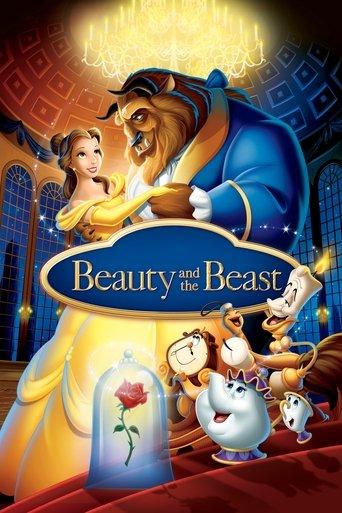
Beauty and the Beast
1991
The sourced concerns are substantially offset by delivered value.
What counts as a cash grab?
Commercial extraction prioritized over meaningful consumer or creative value. Profit, popularity, adaptations, sequels, remakes, high budgets, and normal marketing do not count by themselves.
Why?
Beauty and the Beast (1991) shows substantial evidence of meaningful creative and technical investment, it earned six Academy Award nominations including the first Best Picture nomination ever for an animated feature and won Oscars for Best Original Song and Best Original Score, and it used Disney’s CAPS system and original songs by Howard Ashman and Alan Menken. Separately, Disney’s broader vaulting and later reissue/3D practices have drawn criticism as cash-grab marketing, but there is no credible source showing the 1991 production itself was a predatory monetization or low-effort reuse.
- 1991 film received major awards and the first Best Picture nomination for an animated feature, indicating high creative recognition.
- Production used new CAPS computer-assisted techniques and original songs by Menken and Ashman, showing technical and artistic investment.
- Disney’s corporate practices like the home-video “vault” and some later 3D/reissue campaigns have been publicly criticized as cash-grab tactics.
View full breakdownHide full breakdown
- I found no direct, sourced evidence that the original 1991 release was rushed, deceptively marketed, or priced predatory to consumers.
Score factors
| Direction | Factor | Evidence | Impact |
|---|---|---|---|
| Against | Awards and critical recognition | Beauty and the Beast received six Academy Award nominations including the first Best Picture nomination for an animated feature and won Best Original Song and Best Original Score.[2][1] | -18 |
| Against | Historic industry impact | Beauty and the Beast was the first animated feature to be nominated for the Academy Award for Best Picture, a milestone cited by multiple institutional and museum sources.[3][1] | -15 |
| For | Corporate monetization practices criticized | Outside the 1991 production, Disney’s vaulting and certain later reissue/3D campaigns have been criticized in journalism and reviews as marketing tactics or cash grabs.[4][5] | +15 |
| Against | Technical innovation and original score | The production used Disney’s CAPS computer animation system for key sequences and featured an original song score by Howard Ashman and Alan Menken that was central to the film.[7] | -8 |
| Against | Absence of predatory release evidence for 1991 film | I found no credible sourced evidence that the original 1991 theatrical release or initial home-video window for Beauty and the Beast employed predatory pricing, deceptive release timing, or low-effort reuse.[6] | -8 |
Confidence: High · Primary production and awards sources are authoritative and directly address craft and impact, and credible journalism documents corporate vault/reissue criticisms, but there is no sourced evidence linking predatory monetization practices to the 1991 production itself. · Researched 2026-09-29
Sources reviewed
- [1]d23.com
- [2]www.oscars.org
- [3]www.academymuseum.org
- [4]thefilmstage.com
- [5]au.rollingstone.com
- [6]movies.disney.com
- [7]www.donhahn.com
- [8]en.wikipedia.org
- [9]awardsdatabase.oscars.org
- [10]www.imdb.com
View 32 more sourcesShow fewer sources
- [11]d23.com
- [12]d23.com
- [13]en.wikipedia.org
- [14]catalog.afi.com
- [15]en.wikipedia-on-ipfs.org
- [16]en.wikipedia.org
- [17]www.disneyanimation.com
- [18]en.wikipedia.org
- [19]etd.ohiolink.edu
- [20]en.wikipedia.org
- [21]en.wikipedia.org
- [22]davidbossert.com
- [23]www.reddit.com
- [24]mainstreettheater.com
- [25]kqek.com
- [26]www.researchgate.net
- [27]www.avforums.com
- [28]www.thecrimson.com
- [29]bgr.com
- [30]discuss.micechat.com
- [31]letterboxd.com
- [32]www.artsjournal.org
- [33]www.blu-ray.com
- [34]www.thedisneyclassics.com
- [35]commonreader.wustl.edu
- [36]en.wikipedia.org
- [37]www.reddit.com
- [38]joss.tcnj.edu
- [39]www.reddit.com
- [40]www.reddit.com
- [41]www.reddit.com
- [42]s3.amazonaws.com
What does the community think?
The AI sees low cash-grab risk. What's your read?
Loading community verdict…