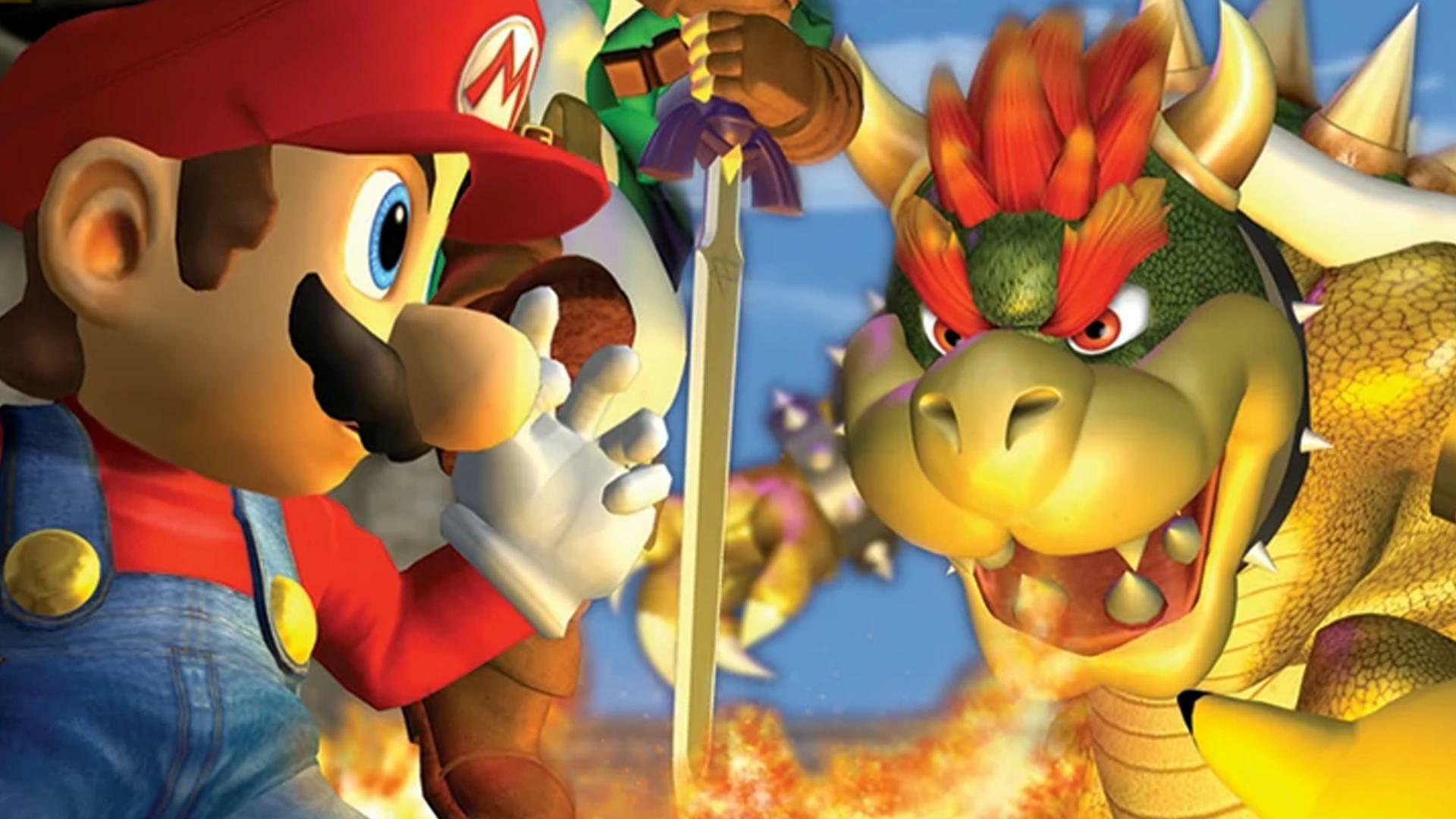
Super Smash Bros. Melee
2001
The sourced concerns are substantially offset by delivered value.
What counts as a cash grab?
Commercial extraction prioritized over meaningful consumer or creative value. Profit, popularity, adaptations, sequels, remakes, high budgets, and normal marketing do not count by themselves.
Why?
Super Smash Bros. Melee, released for GameCube in late 2001, does not have credible evidence supporting a cash grab label. Contemporary reviews and later retrospectives document substantial new content, technical polish, and deep emergent gameplay that sustained a competitive scene. It was distributed as a standard full retail release without DLC or microtransactions, and while developers and sources describe a stressful development cycle, they also emphasize the final product's quality. No reputable sources show predatory monetization, deceptive pricing, or material low-effort reuse.
- Contemporary reviews praise Melee's technical polish and depth, indicating high production craft.
- The game added many characters, stages, and modes beyond the original, showing substantive new content.
- Retrospectives and developer comments describe deliberate physics and design revisions that increased competitive depth.
View full breakdownHide full breakdown
- Release was a conventional boxed retail product with no evidence of predatory monetization or DLC based monetization.
Score factors
| Direction | Factor | Evidence | Impact |
|---|---|---|---|
| Against | Technical polish and production quality | Contemporary reviews described Melee as technically polished and a high-quality GameCube title with tight gameplay and content variety.[2][1] | -18 |
| Against | Expanded roster and modes | Melee added a significantly larger roster, numerous stages, and multiple new modes compared to the 1999 original, providing substantial new playable content.[1][2] | -16 |
| Against | Full retail product, no predatory monetization | Melee was released as a conventional boxed retail GameCube title with complete single and multiplayer features and no DLC or microtransaction schemes.[1][2] | -11 |
| Against | Design changes and competitive depth | Developers deliberately revised physics and systems to make Melee faster and deeper, an approach that created unforeseen competitive complexity according to developer notes and retrospectives.[4][3] | -7 |
| For | Stressful development cycle | Sources note a stressful development cycle and proximity to the GameCube launch, which is documented but not linked in sources to predatory monetization or a low-quality final product.[1][5] | +5 |
Confidence: High · Contemporary reviews, developer commentary, and later retrospectives consistently document substantial new content and technical craftsmanship while no reputable sources report predatory monetization or deceptive release practices, though developer stress during production is noted without tying it · Researched 2026-08-22
Sources reviewed
- [1]en.wikipedia.org
- [2]www.gamespot.com
- [3]gameinformer.com
- [4]en.wikipedia.org
- [5]www.ssbwiki.com
- [6]www.gamespot.com
- [7]www.gamespot.com
- [8]www.reddit.com
- [9]gamefaqs.gamespot.com
- [10]en.wikipedia.org
View 11 more sourcesShow fewer sources
What does the community think?
The AI sees low cash-grab risk. What's your read?
Loading community verdict…