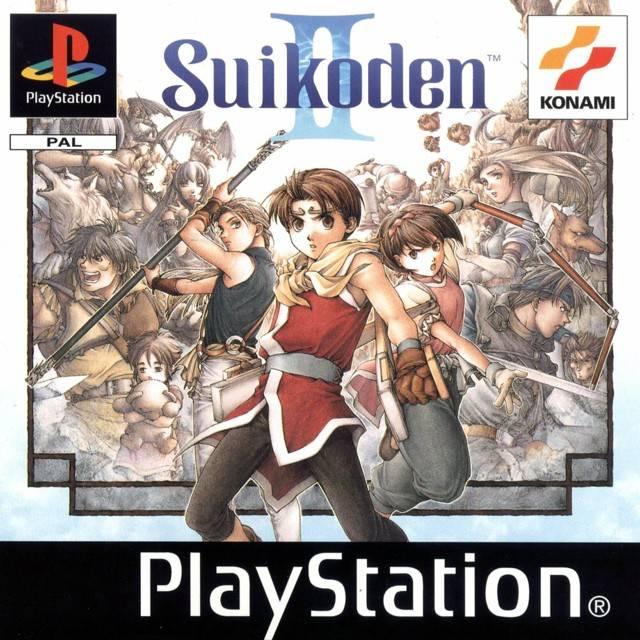
Suikoden II
1998
The sourced concerns are substantially offset by delivered value.
What counts as a cash grab?
Commercial extraction prioritized over meaningful consumer or creative value. Profit, popularity, adaptations, sequels, remakes, high budgets, and normal marketing do not count by themselves.
Why?
Suikoden II was released by Konami for PlayStation in Japan in December 1998, North America in September 1999, and Europe in 2000, and is widely documented as a content-rich JRPG with over 100 recruitable characters and substantial story and mechanics. Contemporary and retrospective coverage highlights careful design, cult acclaim, and later rerelease demand rather than predatory monetization or rushed release practices. I found no credible sources alleging exploitative pricing, deceptive launch tactics, or low-effort reuse that would indicate a cash grab.
- Contemporary reviews praised its scope, writing, and gameplay, indicating substantive content and craft.
- Documentation describes a long development and later collector demand, not evidence of rushed or deceptive release.
- No credible reporting found of predatory monetization, DLC, or price/value mismatch at launch.
View full breakdownHide full breakdown
- Retrospectives and re-releases emphasize artistic merit and fan demand, supporting mitigating evidence.
Score factors
| Direction | Factor | Evidence | Impact |
|---|---|---|---|
| For | No evidence of exploitative monetization | I found no credible contemporary or retrospective reporting that Suikoden II used predatory monetization, paid DLC, or deceptive price practices at launch.[1][2] | +19 |
| Against | Critical praise and large content | Professional reviews at release praised Suikoden II for its writing, mechanics, and breadth, noting over 100 recruitable characters and deep story content.[2][3] | -18 |
| Against | No documented low-effort reuse | Coverage and retrospectives describe original writing, music, and sprite-based presentation rather than recycled assets or demonstrably low-effort reuse.[1][3] | -16 |
| For | No credible reports of rushed or deceptive launch | I found no reporting that the game was released prematurely, that its launch was rushed for financial reasons, or that it shipped with intentionally withheld content.[2][1] | +11 |
| Against | Collector demand and later re-releases | High collector prices for original copies and later digital availability reflect enduring demand and value rather than initial monetization schemes.[4][1] | -9 |
Confidence: High · Reliable contemporary reviews and later documentation consistently describe substantive content and no credible evidence of predatory monetization or rushed release, though archival trade reporting from Konami internal decisions is limited online. · Researched 2026-10-15
Sources reviewed
- [1]en.wikipedia.org
- [2]www.gamespot.com
- [3]www.mobygames.com
- [4]www.gamespot.com
- [5]www.gamespot.com
- [6]gamefaqs.gamespot.com
- [7]videogamescritic.com
- [8]www.gamespot.com
- [9]www.gamespot.com
- [10]gamefaqs.gamespot.com
View 13 more sourcesShow fewer sources
- [11]gamefaqs.gamespot.com
- [12]handwiki.org
- [13]en.wikipedia.org
- [14]www.defunctgames.com
- [15]en.wikipedia.org
- [16]www.reddit.com
- [17]fr.wikipedia.org
- [18]en.wikipedia.org
- [19]pt.wikipedia.org
- [20]img.konami.com
- [21]www.reddit.com
- [22]www.reddit.com
- [23]www.tomb-of-ash.com
What does the community think?
The AI sees low cash-grab risk. What's your read?
Loading community verdict…