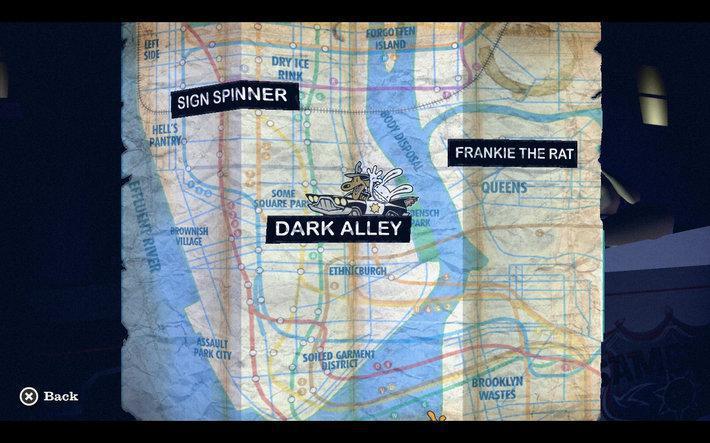
Sam & Max Season Three: The Devil’s Playhouse
2010
The sourced concerns are substantially offset by delivered value.
What counts as a cash grab?
Commercial extraction prioritized over meaningful consumer or creative value. Profit, popularity, adaptations, sequels, remakes, high budgets, and normal marketing do not count by themselves.
Why?
Sam & Max Season Three The Devil's Playhouse was released episodically in 2010 by Telltale Games and used the studio's season-pass style pricing, but contemporary reviews and coverage describe substantial new content, improved visuals, and roughly 15 hours of gameplay across five episodes. I found no credible sources showing predatory microtransactions or deceptive release tactics, though some players and community posts noted the overall price and that planned content or features were trimmed during development.
- No credible evidence of predatory monetization such as microtransactions or loot boxes in contemporary coverage
- Telltale distributed the game episodically and offered season purchasing practices that matched their existing business model
- Multiple professional reviews praised production quality, improved visuals, and episode length totaling about a full game
View full breakdownHide full breakdown
- Community posts and some reviews noted perceived price concerns and mention of cut or unimplemented features
Score factors
| Direction | Factor | Evidence | Impact |
|---|---|---|---|
| For | Episodic season pricing | Telltale sold Sam & Max episodically and used a season-style pricing model that rewarded buying the season up front with a discount relative to per-episode purchases.[3] | +18 |
| Against | Professional praise for craft | Multiple reviews highlighted improved visuals, tight writing, and production polish compared with earlier seasons, indicating substantive craft investment rather than low-effort reuse.[2][4][1] | -16 |
| Against | Episode length and total content | Review coverage reports episodes of two to four hours each and a season runtime near fifteen hours, which reviewers equated to a full game's worth of content.[1][5] | -12 |
| Against | No evidence of predatory post-launch monetization | Contemporary professional reviews and release listings describe the product as five episodic adventure game chapters sold as full episodes, with no reporting of microtransactions, loot boxes, or similar predatory monetization mechanics.[6][2][1] | -11 |
| For | Player price complaints | Community threads and some player comments from the era express that the season felt expensive to some buyers, indicating perceived price value concerns rather than documented predatory pricing mechanics.[8][7] | +6 |
| For | Evidence of cut or unimplemented features | Developer and community discussion mentions some planned content or features were not implemented during development, for example an alternate-universe sequence that fell through, but these are presented as development constraints rather than deliberate deceptive release.[9] | +5 |
Confidence: High · Contemporary professional reviews, developer/community discussion, and release records provide clear evidence about pricing format and content, but internal financial intent and exact original pricing promotions on each storefront are not exhaustively public. · Researched 2026-09-21
Sources reviewed
- [1]bitmob.com
- [2]adventuregamers.com
- [3]media.gdcvault.com
- [4]www.expertreviews.co.uk
- [5]adventuregamers.com
- [6]en.wikipedia.org
- [7]community.telltale.com
- [8]www.reddit.com
- [9]community.telltale.com
- [10]community.telltale.com
View 6 more sourcesShow fewer sources
What does the community think?
The AI sees low cash-grab risk. What's your read?
Loading community verdict…