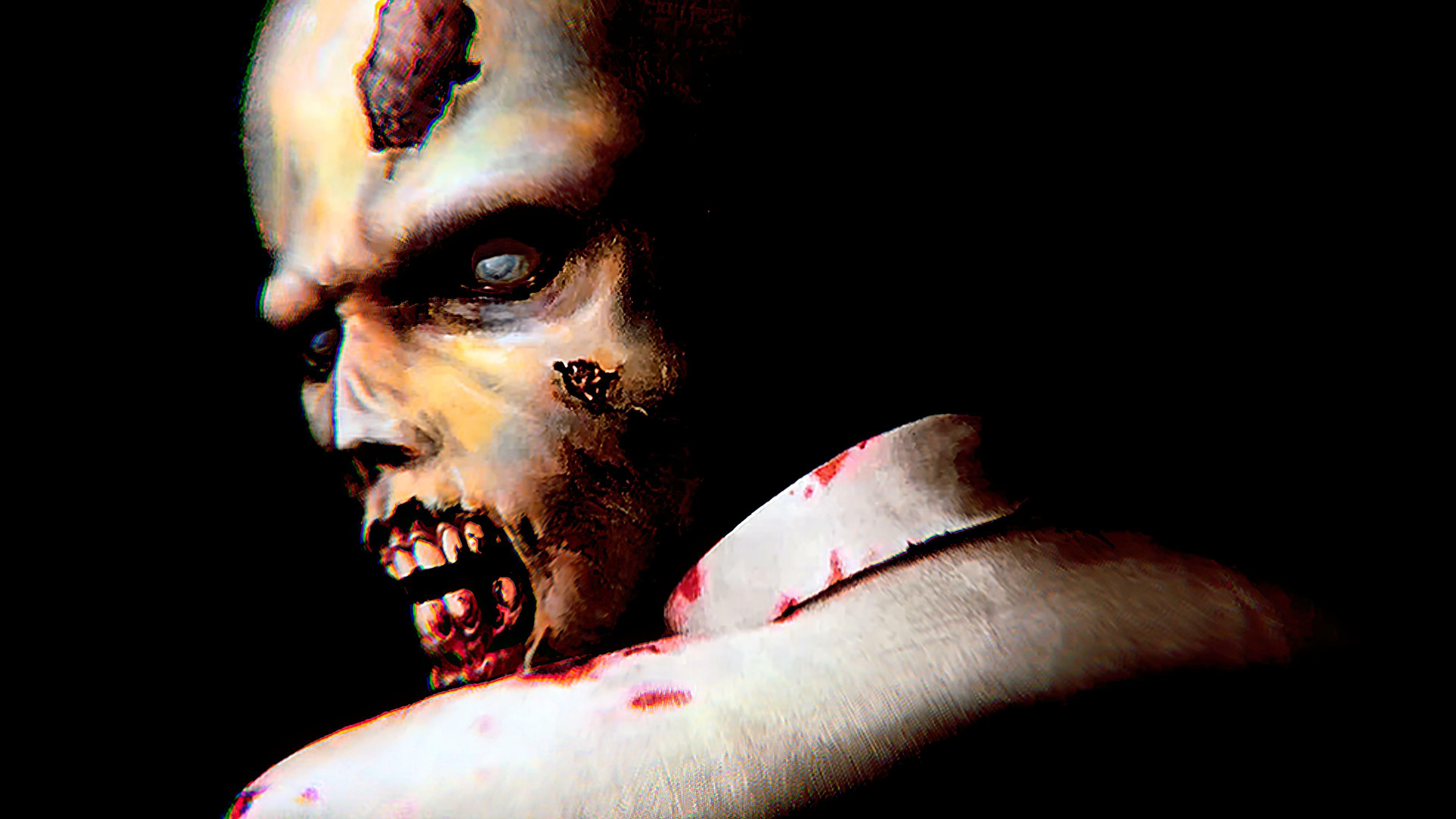
Resident Evil
1996
The sourced concerns are substantially offset by delivered value.
What counts as a cash grab?
Commercial extraction prioritized over meaningful consumer or creative value. Profit, popularity, adaptations, sequels, remakes, high budgets, and normal marketing do not count by themselves.
Why?
Resident Evil (1996) was developed at Capcom under director Shinji Mikami with an extended development effort that included a full reset to improve quality, it introduced mechanics and atmosphere later credited with creating the survival horror genre, and it received strong critical reception on release. I found no contemporaneous reporting that the original PlayStation release used predatory monetization or a rushed deceptive launch, though the IP later became a large commercial franchise with many reissues and remakes.
- Contemporary development accounts describe a quality-driven reset and substantial craft by Shinji Mikami and team.
- The game introduced novel survival horror design elements that influenced many later titles.
- The original release received strong critical praise and high aggregated scores.
View full breakdownHide full breakdown
- No credible sources allege predatory monetization or a deceptive rushed launch for the 1996 release.
- Capcom later expanded the property into a major commercial franchise with many re-releases and remakes.
Score factors
| Direction | Factor | Evidence | Impact |
|---|---|---|---|
| Against | Development reset and investment | Capcom and developer interviews report the team decided to reset and remake the game during development to meet quality expectations, indicating deliberate investment in production values.[1][3] | -18 |
| Against | Genre innovation and new content | Multiple sources credit Resident Evil (1996) with establishing the survival horror genre and introducing mechanics such as inventory management and the mansion setting.[4][2] | -18 |
| For | Franchise commercialization | Capcom later expanded Resident Evil into a major commercial franchise with numerous sequels, remakes, reissues and crossover media, and the series surpassed 100 million units sold according to Capcom.[5] | +13 |
| For | No evidence of predatory monetization at launch | I found no credible contemporaneous reporting or developer disclosures alleging predatory monetization, deceptive pricing, or a rushed exploitative release for the original 1996 title.[6][1] | +12 |
Confidence: High · Primary developer interviews, Capcom materials, and established retrospective reviews provide strong, specific documentation of development choices and reception; there is no contemporaneous evidence of predatory monetization for the 1996 release. · Researched 2026-08-11
Sources reviewed
- [1]www.capcom.co.jp
- [2]game.capcom.com
- [3]www.gamesradar.com
- [4]gameinformer.com
- [5]www.capcom.co.jp
- [6]www.gamespot.com
- [7]www.capcom.co.jp
- [8]residentevil.fandom.com
- [9]www.capcom.co.jp
- [10]en.wikipedia.org
View 10 more sourcesShow fewer sources
What does the community think?
The AI sees low cash-grab risk. What's your read?
Loading community verdict…