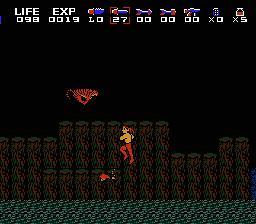
Rambo
1987
There are sourced concerns, but the case is limited.
What counts as a cash grab?
Commercial extraction prioritized over meaningful consumer or creative value. Profit, popularity, adaptations, sequels, remakes, high budgets, and normal marketing do not count by themselves.
Why?
Rambo (1987) is an NES tie-in developed by Pack-In-Video and published in North America by Acclaim in May 1988, based on Rambo: First Blood Part II. Multiple contemporary and retrospective sources characterize the game as poorly executed, noting heavy borrowing from Zelda II and other NES titles, awkward balance, and tedious grinding. Promotional materials foreground the Rambo license, but I found no documentary evidence of predatory monetization, abnormal pricing, or deceptive release practices. The manual and analyses show the team attempted action RPG mechanics, which is mitigating evidence.
- Multiple reputable retrospectives and reviews call the NES Rambo derivative and low quality.
- Analyses specifically identify heavy borrowing from Zelda II and other NES designs, showing low creative fidelity to the film.
- Promotional materials emphasize the Rambo movie license, supporting brand-driven marketing, but not direct proof of predatory monetization.
View full breakdownHide full breakdown
- No primary sources found documenting deceptive pricing, predatory monetization, or rushed/deceptive release practices, and the manual shows implemented RPG-style systems.
Score factors
| Direction | Factor | Evidence | Impact |
|---|---|---|---|
| For | Derivative design | Multiple detailed analyses state the NES Rambo borrows mechanics and structure from Zelda II and other existing NES titles, indicating a derivative design approach.[1] | +20 |
| For | Negative critical reception | Retrospective reviews and site writeups describe the title as one of the weaker NES releases, citing poor balance, bad hit detection, and tedious grinding that reduce consumer value.[2] | +15 |
| Against | Action-RPG elements present | The game and its manual document RPG-like systems, NPCs, experience and exploration segments which indicate the developers attempted substantive gameplay changes rather than a single-shot reskin.[1][3] | -10 |
| For | License-forward promotion | Promotional material and magazine mentions foreground the Rambo movie license and Acclaim's marketing, which supports a brand-driven commercial strategy even if it does not on its own prove predatory intent.[4] | +9 |
Confidence: Medium · Evidence is based on multiple reputable retrospectives, the official manual, and publisher listings; however there are no disclosed internal documents or contemporaneous industry reports proving predatory monetization or deliberate rushed/deceptive release practices. · Researched 2026-08-18
Sources reviewed
- [1]www.hardcoregaming101.net
- [2]www.nesfiles.com
- [3]www.gamesdatabase.org
- [4]www.eoinstanley.com
- [5]www.classic-games.net
- [6]www.mobygames.com
- [7]gamefaqs.gamespot.com
- [8]gamefaqs.gamespot.com
- [9]www.imdb.com
- [10]en.wikipedia.org
View 23 more sourcesShow fewer sources
- [11]www.youtube.com
- [12]gamefaqs.gamespot.com
- [13]gamefaqs.gamespot.com
- [14]www.gamespot.com
- [15]en.wikipedia.org
- [16]manuals.plus
- [17]indiegamerchick.com
- [18]www.youtube.com
- [19]www.ataricompendium.com
- [20]datassette.s3.us-west-004.backblazeb2.com
- [21]es.wikipedia.org
- [22]en.wikipedia.org
- [23]www.reddit.com
- [24]en.wikipedia.org
- [25]en.wikipedia.org
- [26]retrocdn.net
- [27]www.lolsuite.org
- [28]www.reddit.com
- [29]www.reddit.com
- [30]www.reddit.com
- [31]www.reddit.com
- [32]www.reddit.com
- [33]www.reddit.com
What does the community think?
The AI found some cash-grab signs. What's your read?
Loading community verdict…