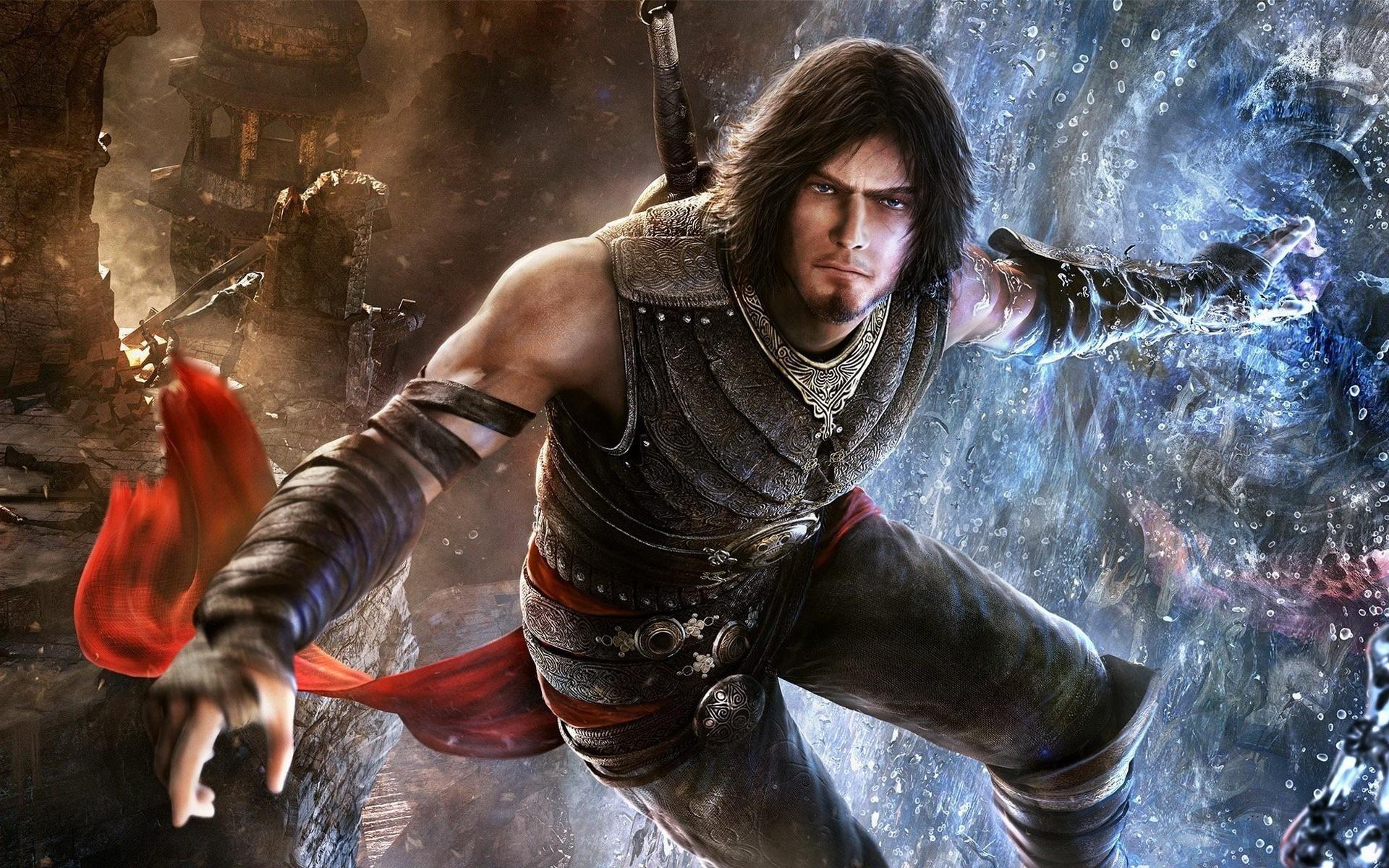
Prince of Persia: The Forgotten Sands
2010
The sourced concerns are substantially offset by delivered value.
What counts as a cash grab?
Commercial extraction prioritized over meaningful consumer or creative value. Profit, popularity, adaptations, sequels, remakes, high budgets, and normal marketing do not count by themselves.
Why?
Prince of Persia: The Forgotten Sands was released in May 2010 by Ubisoft Montreal as a console and PC continuation of the Sands of Time continuity, timed to appear alongside the 2010 film though it was not a direct movie tie-in. Contemporary reporting and the game's Wikipedia entry indicate development began alongside the film and the project was reworked after the movie was delayed, with publisher scheduling pressure cited. Reviews described competent production values and new elemental mechanics, while also calling the game fairly routine and less innovative than earlier series entries.
- Contemporaneous sources report the game was developed alongside and timed near the 2010 film, with publisher-driven scheduling pressure mentioned.
- Multiple reviews judged the title competent but derivative, noting familiar mechanics and a forgettable story relative to earlier Sands of Time entries.
- No credible contemporaneous evidence of predatory monetization or microtransaction schemes at launch was found, beyond optional UPlay unlocks.
View full breakdownHide full breakdown
- The game introduced notable elemental/water mechanics and was developed across multiple Ubisoft studios, which supports meaningful production effort.
Score factors
| Direction | Factor | Evidence | Impact |
|---|---|---|---|
| For | Critical reception called it derivative | Multiple reviews described the game as a competent but comparatively forgettable return to older series mechanics, often noting similarity to earlier Sands of Time material.[2][1][4] | +15 |
| Against | Notable gameplay and production work | Coverage and reviews highlight new elemental powers, especially water-based mechanics, use of the Anvil engine, and work across multiple Ubisoft studios, indicating substantive production investment.[3] | -12 |
| For | Publisher timing pressure | Sources state development began to correspond with the Sands of Time movie and that the game was reworked after the film delay, with publishing expectations to ship quickly.[5] | +11 |
| For | Released alongside film | Contemporary coverage repeatedly notes the game released alongside the 2010 Prince of Persia film and was frequently discussed in that context despite not being a direct tie-in.[3][1] | +8 |
| Against | Mixed critical reception | Reception was mixed to positive on most platforms, critics praised some mechanics while calling the overall package inferior to prior series highs, which complicates a clear extraction finding.[1] | -8 |
| Against | No predatory monetization at launch | Contemporary reviews and documentation show no evidence of predatory microtransactions at launch, only optional UPlay unlock rewards and standard retail distribution.[2] | -6 |
Confidence: Medium · Evidence is built from contemporaneous reviews, publisher/developer reporting and the game's Wikipedia page which cites interviews, these sources support timing and reception claims but internal publisher documentation about scheduling decisions and internal development constraints is limited. · Researched 2026-09-11
Sources reviewed
- [1]www.pcgamer.com
- [2]www.gamespot.com
- [3]www.wired.com
- [4]gameinformer.com
- [5]www.videogamer.com
- [6]www.gamespot.com
- [7]www.gamespot.com
- [8]www.thesixthaxis.com
- [9]www.theguardian.com
- [10]en.wikipedia.org
View 14 more sourcesShow fewer sources
What does the community think?
The AI sees low cash-grab risk. What's your read?
Loading community verdict…