Need for Speed: ProStreet
2007
The sourced concerns are substantially offset by delivered value.
What counts as a cash grab?
Commercial extraction prioritized over meaningful consumer or creative value. Profit, popularity, adaptations, sequels, remakes, high budgets, and normal marketing do not count by themselves.
Why?
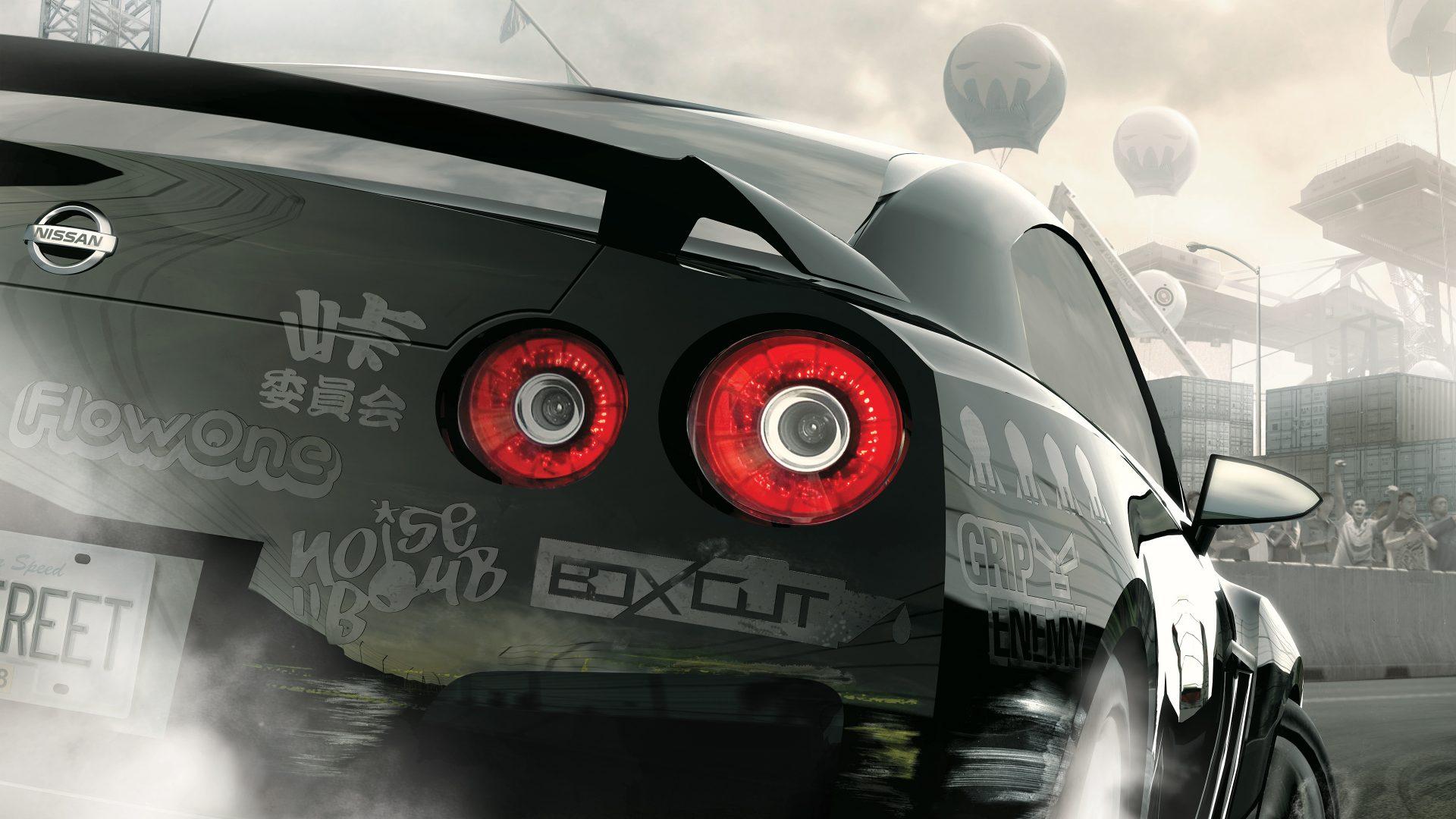
Need for Speed: ProStreet, released in 2007 by EA Black Box, shifted the franchise from illegal street scenes to sanctioned track events and introduced a full vehicle damage model, an in‑game repair economy, and shareable tuning blueprints. Contemporary reviews praised the new damage and tuning systems while criticizing the loss of franchise staples and some handling choices. I found no contemporaneous reporting that the product used predatory monetization or deceptive pricing, most coverage frames ProStreet as a risky design pivot rather than a pure extraction exercise.
- Contemporary reviews emphasize substantive new systems, notably a full damage model and race-type specific customization.
- Multiple outlets noted meaningful online and sharing features that extended play rather than obvious monetization hooks.
- Critics mainly criticized design direction and missing franchise features, not predatory monetization or DLC schemes at launch.
View full breakdownHide full breakdown
- No reputable sources uncovered show evidence of deceptive release practices or pay-to-win mechanics in the 2007 launch reporting.
Score factors
| Direction | Factor | Evidence | Impact |
|---|---|---|---|
| For | No credible evidence of exploitative monetization | Search of contemporaneous reviews and coverage revealed no reputable reporting of predatory monetization, microtransactions, or deceptive pricing tied to ProStreet at launch.[1][2] | +20 |
| Against | Damage model and licensed approval | The game introduced a full visual and performance damage model and required manufacturer sign-off for licensed cars being damaged.[1][3] | -17 |
| Against | New race types and sharing features | Reviews and coverage describe new multi-disciplinary race types, tunable 'blueprints', and online sharing of Race Days and pre-built cars as substantive new gameplay content.[4][2] | -15 |
| Against | Online longevity and customization depth | Multiple reviews noted that online play and customization systems gave the game replay value and depth rather than being thin monetizable layers.[5][6] | -9 |
| Against | Risky change in franchise direction | Contemporary commentary frames ProStreet as a risky design pivot away from franchise hallmarks like open-world street racing and police chases, which critics saw as a trade-off not an exploitative shortcut.[7][3] | -6 |
Confidence: High · Contemporary professional reviews and reference sources directly describe ProStreet's new systems and criticisms, and none report predatory monetization or deceptive launch practices, though archival development internals beyond public reviews are limited. · Researched 2026-08-27
Sources reviewed
- [1]en.wikipedia.org
- [2]www.gamerevolution.com
- [3]www.gamespot.com
- [4]www.thesixthaxis.com
- [5]www.videogamer.com
- [6]www.pocketgamer.com
- [7]www.techspot.com
- [8]www.gamespot.com
- [9]www.nintendolife.com
- [10]www.uol.com.br
View 15 more sourcesShow fewer sources
- [11]gamefaqs.gamespot.com
- [12]lifedrive.wordpress.com
- [13]gamefaqs.gamespot.com
- [14]www.reddit.com
- [15]www.reddit.com
- [16]www.reddit.com
- [17]www.reddit.com
- [18]www.reddit.com
- [19]en.wikipedia.org
- [20]www.reddit.com
- [21]www.reddit.com
- [22]electronicsandbooks.com
- [23]www.reddit.com
- [24]www.reddit.com
- [25]www.reddit.com
What does the community think?
The AI sees low cash-grab risk. What's your read?
Loading community verdict…