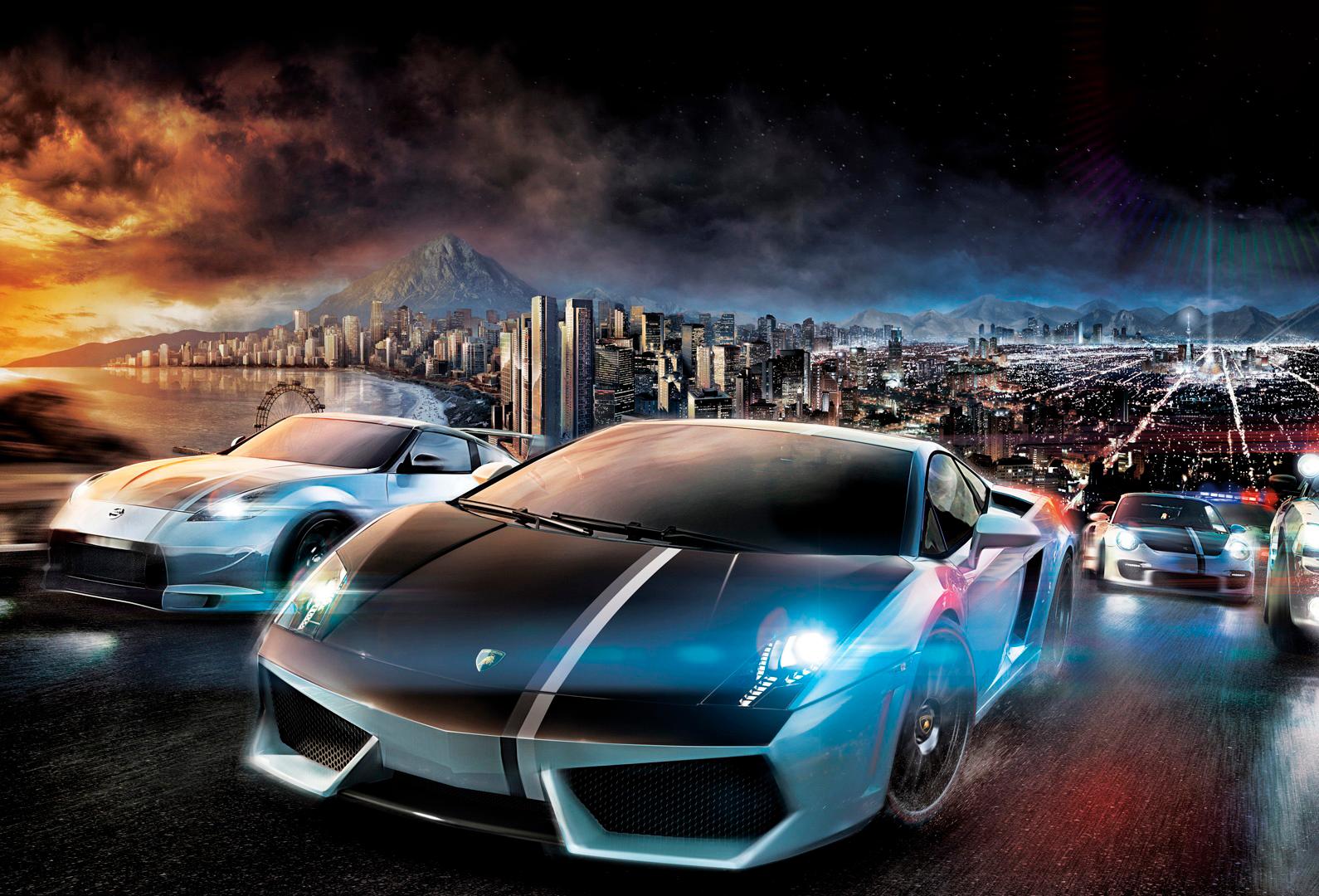
Need for Speed World
2010
There are sourced concerns, but the case is limited.
What counts as a cash grab?
Commercial extraction prioritized over meaningful consumer or creative value. Profit, popularity, adaptations, sequels, remakes, high budgets, and normal marketing do not count by themselves.
Why?
Need for Speed: World launched July 27, 2010 as a free-to-play PC MMO from EA Black Box and EA Singapore. Contemporary coverage and player reporting repeatedly flagged its microtransaction systems and purchasable cars as pay-to-win and predatory, and Wikipedia and contemporaneous reporting note the live service shifted toward selling cars to drive revenue. At the same time EA delivered ongoing live updates, added cars and modes, and credited composer Mick Gordon, showing some substantive production investment alongside monetization-first design choices.
- Contemporary reviews and hands-on reports explicitly criticized the microtransaction model as pay-to-win.
- Official and secondary histories state development increasingly focused on adding purchasable cars to boost revenue.
- Early reporting documented starter packs and purchasable in-game currency that gated progression.
View full breakdownHide full breakdown
- Mitigating evidence shows regular live updates, added modes and cars, and an original score by Mick Gordon.
Score factors
| Direction | Factor | Evidence | Impact |
|---|---|---|---|
| For | Pay-to-win criticisms in reviews | Multiple contemporary reviews and hands-on previews criticized Need for Speed: World's microtransactions as creating pay-to-win dynamics.[2][3] | +23 |
| For | Starter packs and paid currency | Early coverage reported the game used purchasable starter packs and a paid currency called Boost that could buy power-ups and cars.[5][4] | +20 |
| For | Development emphasised adding cars for revenue | Secondary histories state EA shifted development toward adding more cars because cars boosted revenue, and the game evolved into a pay-to-win model.[1] | +13 |
| For | Reuse of franchise assets and mechanics | Contemporaneous descriptions note the game reused many gameplay features and material from Need for Speed: Most Wanted and Carbon.[1] | +13 |
| Against | Ongoing live updates and new features | Reporting and developer-facing pieces document weekly live patches that added new cars, customizations, a nighttime mode and other features.[7][6] | -12 |
| Against | Original music and credited production crew | The game credits composer Mick Gordon and other named production staff, indicating investment in original scoring and formal production credits.[9][8] | -8 |
Confidence: High · Multiple contemporary reviews, hands-on previews, developer-facing reporting and the game's encyclopedia entry consistently document predatory microtransactions and a revenue-driven emphasis, while patch histories and credits corroborate ongoing content work; gaps remain about internal decision docu · Researched 2026-08-27
Sources reviewed
- [1]en.wikipedia.org
- [2]www.pcgamer.com
- [3]www.gamesradar.com
- [4]www.engadget.com
- [5]gamingbolt.com
- [6]www.engadget.com
- [7]www.awn.com
- [8]www.mobygames.com
- [9]mick-gordon.com
- [10]www.metacritic.com
View 39 more sourcesShow fewer sources
- [11]www.neoteo.com
- [12]www.gamespot.com
- [13]forums.mmorpg.com
- [14]www.gamedeveloper.com
- [15]www.engadget.com
- [16]mmos.com
- [17]media.gdcvault.com
- [18]www.pcworld.com
- [19]www.reddit.com
- [20]escholarship.org
- [21]www.reddit.com
- [22]www.reddit.com
- [23]www.manomarichal.com
- [24]www.reddit.com
- [25]www.reddit.com
- [26]nfs.fandom.com
- [27]www.imdb.com
- [28]nfs.fandom.com
- [29]en.wikipedia.org
- [30]www.engadget.com
- [31]www.mobygames.com
- [32]www.ea.com
- [33]racingsoundtracks.com
- [34]mick-gordon.squarespace.com
- [35]en.wikipedia.org
- [36]en.wikipedia.org
- [37]www.gsamusic.com
- [38]ru.wikipedia.org
- [39]en.wikipedia.org
- [40]service.globalvr.com
- [41]shared.steamstatic.com
- [42]www.reddit.com
- [43]www.kingpin.info
- [44]download.gamestar.de
- [45]s204.q4cdn.com
- [46]www.reddit.com
- [47]www.reddit.com
- [48]www.reddit.com
- [49]www.reddit.com
What does the community think?
The AI found some cash-grab signs. What's your read?
Loading community verdict…