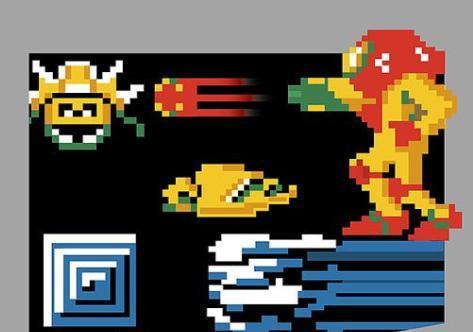
Metroid
1986
The sourced concerns are substantially offset by delivered value.
What counts as a cash grab?
Commercial extraction prioritized over meaningful consumer or creative value. Profit, popularity, adaptations, sequels, remakes, high budgets, and normal marketing do not count by themselves.
Why?
Metroid (1986) shows no credible evidence of being a commercial extraction-first project at launch. Primary sources and contemporary retrospectives describe it as an original, technically ambitious title from Nintendo R&D1 that established a new exploratory action formula and inspired later remakes. Criticism exists about later packaging choices, notably a Game Boy Advance Classic NES standalone re-release that reviewers called redundant and of limited value compared with the remake Zero Mission. There is no documentation of predatory monetization or rushed deceptive release practices for the 1986 original.
- Original 1986 game was developed by Nintendo R&D1 and is consistently described as innovative and influential.
- Contemporary and retrospective reviews praise its atmosphere, non-linear design, and technical craft.
- A GBA Classic NES Series re-release was criticized as low-value and redundant versus Zero Mission.
View full breakdownHide full breakdown
- No sources document predatory monetization, deceptive release timing, or rushed low-effort production for the original title.
Score factors
| Direction | Factor | Evidence | Impact |
|---|---|---|---|
| For | Criticism of standalone re-release | A GameSpot review of the Classic NES Series GBA re-release described it as a straight port with retained bugs and argued it had dubious value because the remake Zero Mission already included the original as an unlockable.[1] | +13 |
| Against | Innovation and atmosphere | Contemporary and later reviews credit the original Metroid with pioneering non-linear exploration, strong atmosphere, and memorable music, indicating substantive artistic/technical value.[1] | -8 |
| For | Packaging and redundancy | Reviewers noted the Classic NES standalone packaging and lack of enhancements implied reliance on brand recognition rather than added consumer value for that re-release.[1] | +6 |
| For | No predatory monetization found | Sourced reporting and official materials document the original release, later remakes, and standard rereleases but do not show predatory monetization, microtransaction schemes, or deceptive pricing tied to the 1986 title.[1] | +5 |
Confidence: High · Sources include primary Nintendo material and contemporary reputable reviews that directly describe development, influence, and criticisms of later re-releases, there is clear documentation of innovations and also of re-release critiques but no evidence of predatory monetization for the 1986 origina · Researched 2026-08-23
Sources reviewed
- [1]www.gamespot.com
- [2]en.wikipedia.org
- [3]en.wikipedia.org
- [4]en.wikipedia.org
- [5]en.wikipedia.org
- [6]www.gamespot.com
- [7]gamefaqs.gamespot.com
- [8]gamefaqs.gamespot.com
- [9]kyoto-report.wikidot.com
- [10]comicbook.com
View 13 more sourcesShow fewer sources
- [11]en.wikipedia.org
- [12]gamefaqs.gamespot.com
- [13]www.nintendo.com
- [14]www.imdb.com
- [15]gameinformer.com
- [16]gamefaqs.gamespot.com
- [17]nintendoeverything.com
- [18]en.wikipedia.org
- [19]www.bloomsburyvisualarts.com
- [20]www.reddit.com
- [21]datassette.s3.us-west-004.backblazeb2.com
- [22]omegametroid.com
- [23]ia600803.us.archive.org
What does the community think?
The AI sees low cash-grab risk. What's your read?
Loading community verdict…